Always Tired on Your Period? Here's Why
For many women, the days leading up to and during their period come with a heavy wave of fatigue. It can feel like dragging herself through fog, where even simple tasks require extra effort. This isn't a sign of weakness or laziness; it's a powerful, real response from her body's bio-intelligence. By looking at what's happening beneath the surface, she can learn to work with her cycle instead of against it.
The Hormonal Shift That Drains Energy
In the week before her period, levels of progesterone rise and then fall sharply as menstruation begins. This drop is linked to a natural dip in energy—her body is essentially transitioning from a phase of preparation to a phase of release. Progesterone itself can have a sedative-like effect, which is why many women feel more tired or sleepy in the luteal phase.
At the same time, estrogen levels plummet. Estrogen supports energy production and mood stability, so its sudden decline can leave her feeling depleted. These hormonal shifts are a normal part of the cycle, but they can feel intense when the body is also managing blood loss and uterine contractions.

Blood Loss and Iron's Role in Fatigue
During her period, the body loses blood, which contains iron. Iron is essential for carrying oxygen to cells and tissues, including muscles and the brain. When iron levels are low—even slightly—the body has to work harder to deliver oxygen, leading to that heavy, sluggish feeling.
For some women, heavy bleeding can contribute to a temporary dip in iron stores, which may show up as fatigue, brain fog, or lightheadedness. This doesn't mean she has a deficiency, but it does highlight why her body might feel like it's running on low fuel during this time.

Inflammation and the Body's Extra Work
Menstruation triggers a natural inflammatory response as the uterus sheds its lining. This process releases chemicals called prostaglandins, which help contractions but can also cause discomfort, bloating, and fatigue. The body is essentially in a state of repair, using energy to manage inflammation and restore balance.
That extra work can leave her feeling physically and mentally drained. It's not just about cramps—it's the whole system diverting resources to handle the monthly reset. Recognizing this can help her give herself permission to rest without guilt.
Sleep Disruption and the Cycle's Rhythm
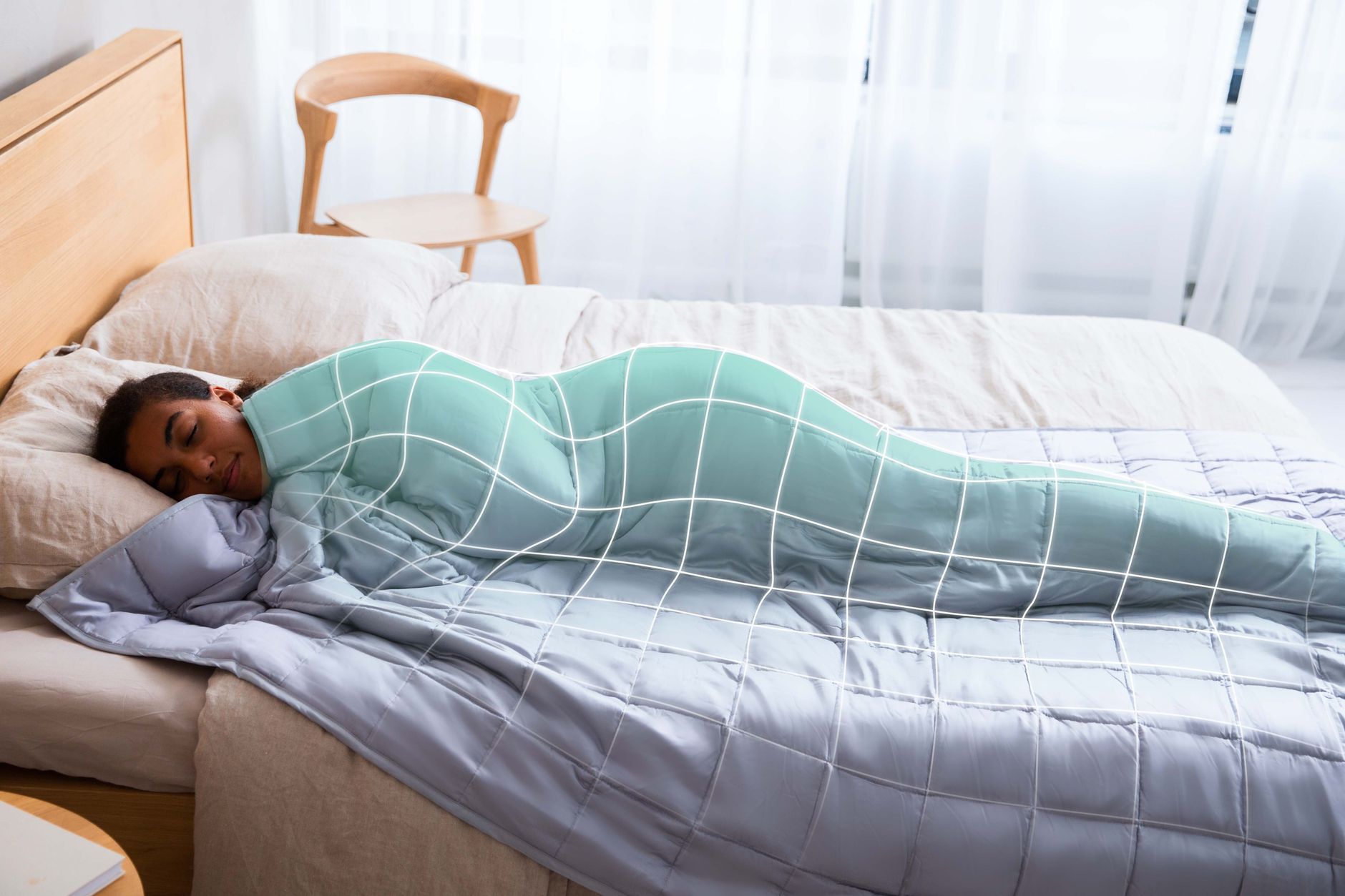
Many women find it harder to sleep well in the days before and during their period. Changes in progesterone and estrogen can affect body temperature, making her feel warmer at night, which disrupts deep sleep. Cramps, bloating, or headaches can also keep her from getting restorative rest.
When sleep quality drops, daytime fatigue becomes more pronounced. It becomes a cycle—poor sleep leads to more tiredness, and the tiredness makes everything feel harder. Understanding this can help her prioritize sleep habits that support her body during this phase.
What helps
- Prioritize rest—short naps or early bedtimes can make a big difference.
- Eat iron-rich foods like leafy greens or lean meats, especially during and after her period.
- Stay hydrated to support circulation and reduce fatigue.
- Gentle movement like walking or stretching can boost energy without draining her.
- Track her cycle to anticipate low-energy days and plan accordingly.
This page includes affiliate links. WOMO may earn a small commission, at no extra cost, from purchases made through them.
Mae’s picks
- Iron Bisglycinate — the gentle, well-absorbed iron form
- Magnesium Glycinate — the best-absorbed form for sleep and calm
- Vitex Chasteberry — traditional support for cycle regularity
WOMO Health is here. The bio-intelligence app that helps you decode your body, track what matters, and finally get answers is available now. Download WOMO and start listening to what your body has been telling you all along.
Get the WOMO App →