

Your Breasts After Weaning: What Changes
Why do they look different months after I stopped?
You may notice your breasts look softer, lower, or less full weeks or months after your last feed. This is common. Milk-producing tissue shrinks once feeding ends, and the fibrous and fatty tissue that remains settles into a new shape. The change is gradual, not a single event, and it can keep shifting for a year or more.
You may also notice your breasts feel less dense or more uneven than before pregnancy. Hormones are still settling, and the tissue that expanded for milk production is being replaced. None of this means something is wrong. It means your body is remodeling, and the timeline is different for everyone.
What is normal to feel, and what is worth mentioning?
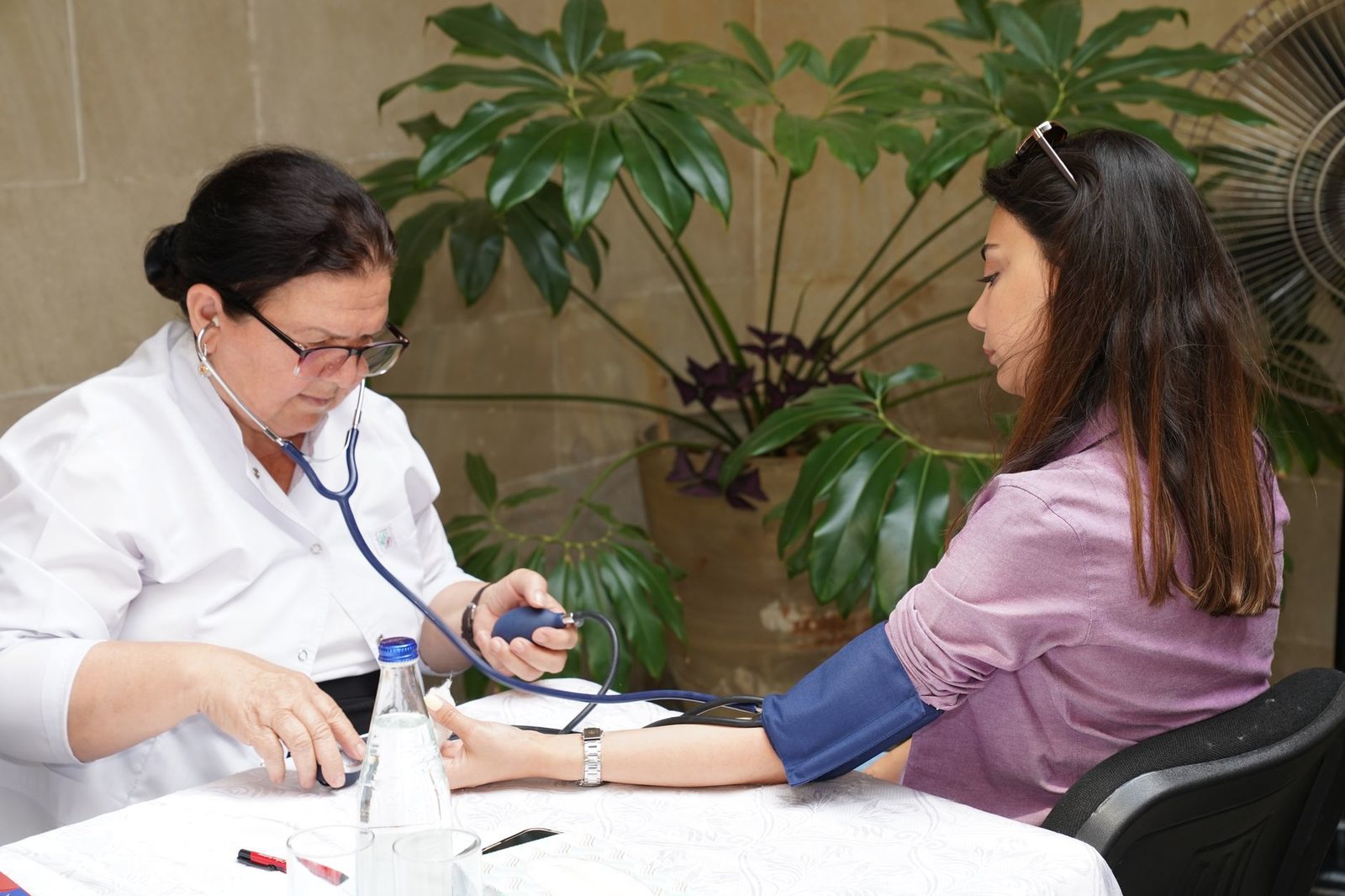
Common shifts include a softer texture, a change in size, stretch marks that fade slowly, and nipples that look or feel different. You may have a few drops of milky discharge for weeks or months after weaning, especially with pressure. That is common and usually settles on its own.
Worth mentioning at a visit: a new lump that does not go away after a cycle, skin dimpling or puckering, a nipple that turns inward when it did not before, bloody or clear discharge from one side, or redness and warmth that spreads. These are not automatically serious, but they deserve a provider's eyes and a note in your record.

Why was I told it was just hormones or stress?
You may have been told your symptoms are stress, hormones, or getting older, and sent home with no record of anything. That happens often, and it leaves you without a baseline. If you noticed a change months ago and it is still there, that is information, not a complaint. Ask for it to be written down.
Bring a simple log: what you noticed, when it started, whether it changes with your cycle, and what you want checked. A provider can examine you and decide what, if anything, needs imaging. You are not asking for a diagnosis by describing a change. You are asking for a record.
When should I call a provider?
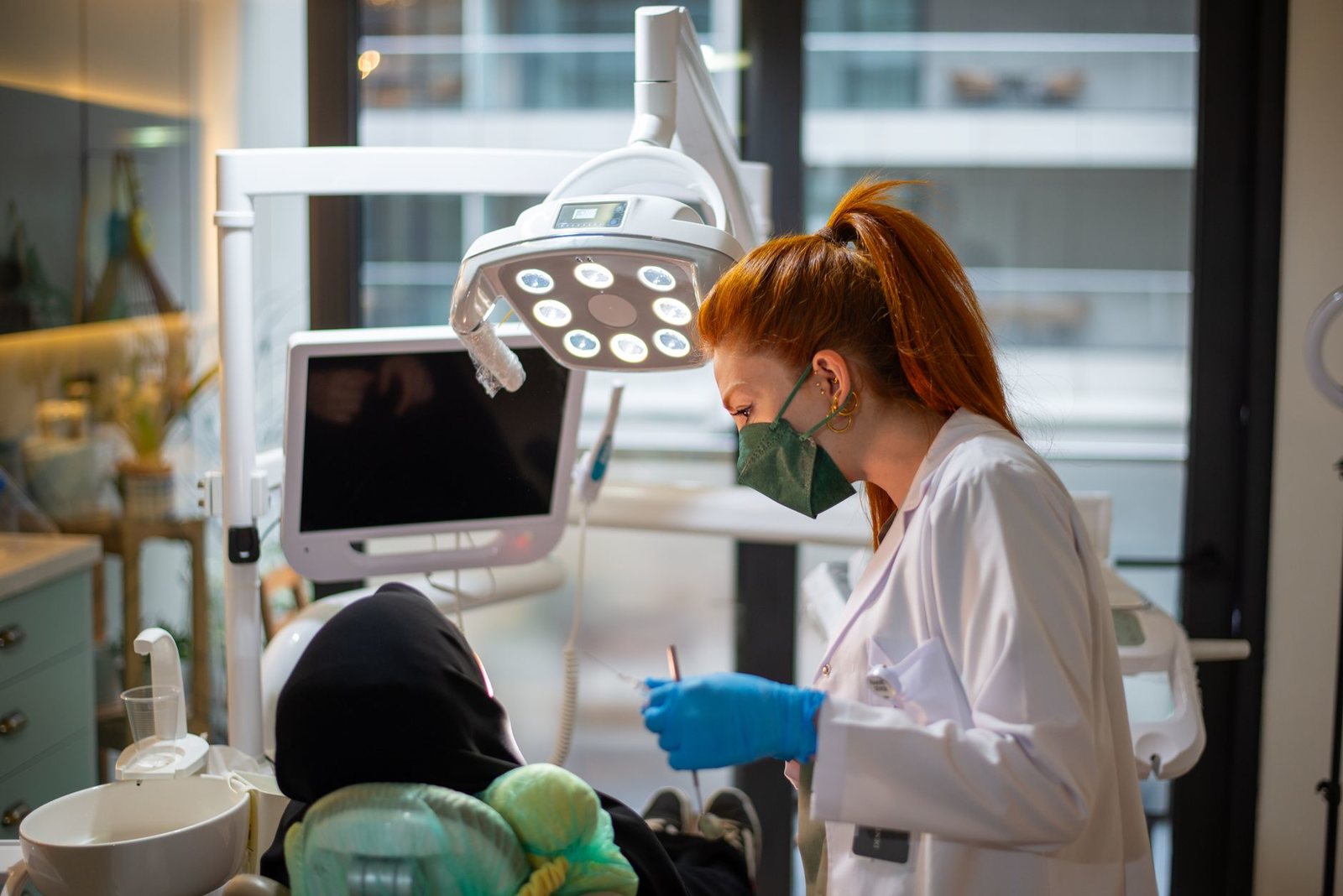
Call a provider if you find a new lump that feels fixed or grows, if one breast becomes noticeably larger or firmer than the other, or if you have skin changes like dimpling, puckering, or an orange-peel texture. Also call for nipple discharge that is bloody or clear and comes from one duct, or for redness and warmth that spreads.
Call sooner if you have fever with breast redness, or if a area becomes painful and hot. Most changes after weaning are not serious, but the ones above are the ones to have looked at promptly. You do not need to wait for a scheduled visit to ask.
What helps
- Keep a dated note on your phone for any change you notice, including where it is and whether it shifts with your cycle.
- Feel your breasts at the same point each month, ideally a few days after your period ends, so you learn what is normal for you now.
- Wear a soft, supportive bra during the day if tenderness lingers, and take it off at night if that feels better.
- Ask your provider to write down what they examined and what they recommend, so the next visit starts with a record.
- Take a photo of any visible skin change in consistent light, so you can compare it in a few weeks rather than relying on memory.
This page includes affiliate links. As an Amazon Associate, WOMO earns from qualifying purchases, at no extra cost to you.
Mae’s picks
- soft supportive bra without underwire — for daytime comfort if tenderness lingers
- symptom tracking notebook — to log changes and cycle timing for visits
- cooling gel pack — for occasional tenderness or fullness
Start with the free 10-minute health assessment
Take the free 10-minute health assessment in WOMO, then spend 7 days with Mae, your health companion. Log your sleep, mood, cycle and symptoms, and Mae reads them together so you can see your patterns and bring them to your next appointment.
Take the free assessment