

Called Back After a Screening: What Comes Next
Why did I get called back?
A recall letter means the radiologist saw something on your mammogram that needs a closer look. It does not mean cancer. Most recalls happen because breast tissue overlaps and creates shadows, or because the first images were not clear enough. In many screening programs, fewer than one in ten women called back are found to have cancer. The letter is a request for more information, not a diagnosis.
You may have been told before that symptoms were stress or hormones. A recall is different: it is a specific finding on an image, and the follow-up is a specific set of steps. Knowing what those steps are can make the appointment feel less like a room you are walking into blind.
What actually happens at the follow-up visit?
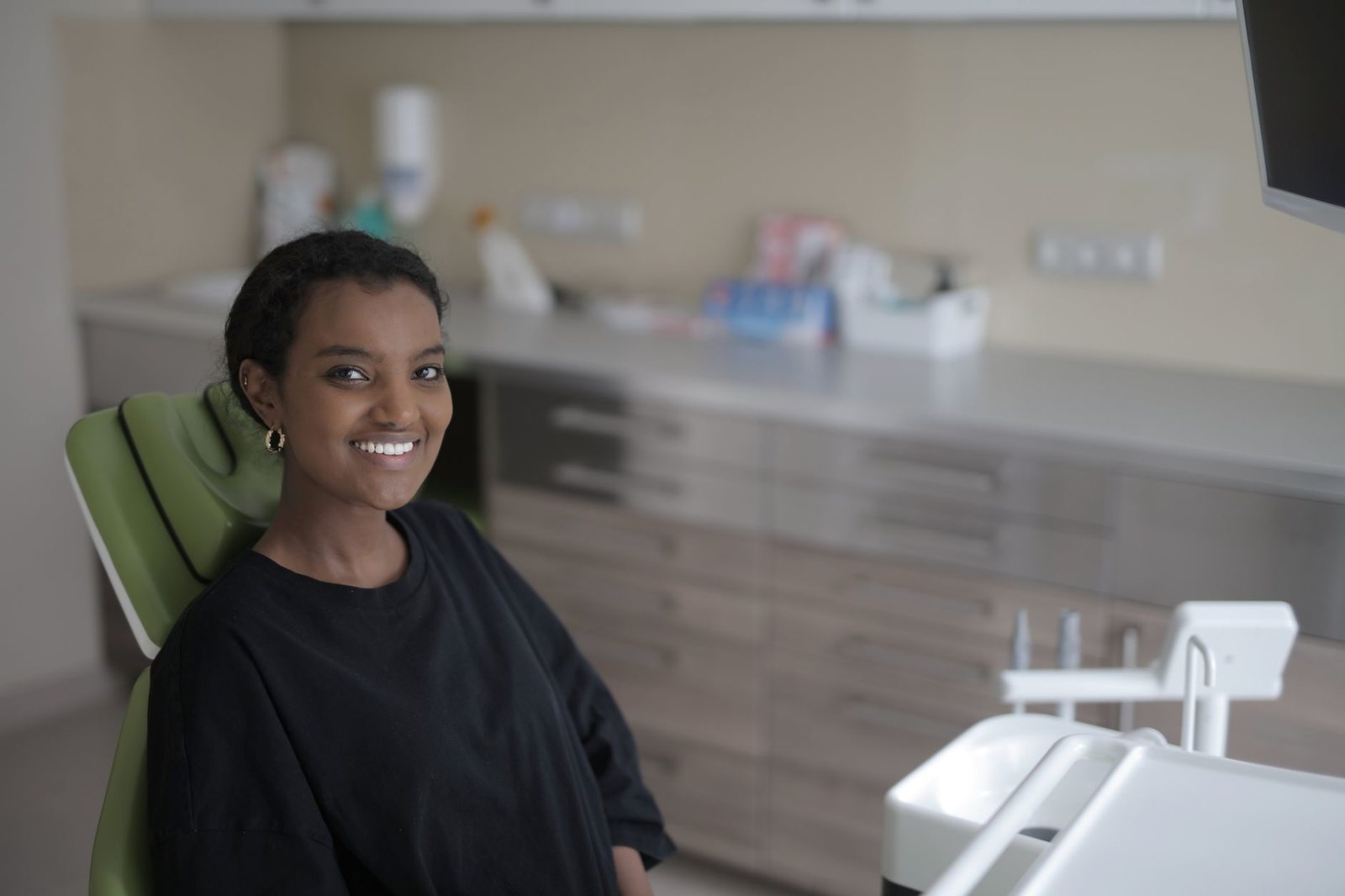
Most recall appointments start with additional mammogram views. The technologist takes pictures from different angles, and sometimes zooms in on the area in question. This is called a diagnostic mammogram. It usually takes about thirty minutes, and you can ask how many images they plan to take before you start. If the extra views show the area is normal tissue, you may be finished that day.
If the images still show something unclear, the next step is often an ultrasound. Gel is applied and a probe moves over the breast; it is painless and takes about fifteen to twenty minutes. An ultrasound can show whether a finding is a solid lump or a fluid-filled cyst. Some clinics can tell you results before you leave. Others send them to your referring doctor within a few days. Ask which it will be.
Why do most recalls not end in a diagnosis?
Breast tissue is not uniform. Glands, ducts, fat, and connective tissue overlap on a two-dimensional image, and that overlap can look like a mass. Extra views and ultrasound separate the layers. A cyst, which is a fluid-filled sac, looks different from a solid lump on ultrasound and is common. Most recalls resolve at this stage with no biopsy and no diagnosis.
If a biopsy is recommended, it does not mean cancer is confirmed. A biopsy removes a small sample of tissue so a pathologist can look at the cells. Roughly three out of four biopsies performed after a recall come back benign. The appointment is a step in gathering information, not a verdict.

What should I ask at the appointment?
Ask what the recall was for: what did the radiologist see, and where. Ask whether the additional imaging is complete or whether a biopsy may be needed that day. Ask when and how you will receive results, and who will explain them. If you are offered a biopsy, ask what it involves, how long it takes, and whether you can drive yourself home afterward.
Bring someone with you if you can, or take notes on your phone. It is hard to hold details in a waiting room. If you feel rushed, you can say so. If you have been dismissed before, it is reasonable to say, plainly, that you want the findings explained in writing. A good clinic will do that. If you notice a new lump, skin change, or nipple discharge before your appointment, call your provider and say so.
What helps
- Write down the date, time, and location of your recall appointment and put it somewhere you will see it, like your phone calendar with an alert the day before.
- Bring a one-page list of questions, including what the recall was for and when results will be ready, so you do not have to remember them under pressure.
- Ask a friend or family member to come with you or to be available by phone afterward, since waiting for results is easier with someone to talk to.
- Request that your results be sent to you in writing, either through a patient portal or by post, so you have a record of what was found and what was recommended.
- If you feel dismissed at any point, say plainly that you would like the findings explained and documented, and ask who you can contact if you have more questions.
This page includes affiliate links. As an Amazon Associate, WOMO earns from qualifying purchases, at no extra cost to you.
Mae’s picks
- soft seamless bra — comfortable support for sensitive breasts during and after imaging
- portable phone charger — keeps your phone charged during longer waiting room visits
- pocket notebook — small enough to carry questions and write down answers
Start with the free 10-minute health assessment
Take the free 10-minute health assessment in WOMO, then spend 7 days with Mae, your health companion. Log your sleep, mood, cycle and symptoms, and Mae reads them together so you can see your patterns and bring them to your next appointment.
Take the free assessment