
When Breast Self-Checks Feel Like Dread, Not Care
Why does checking feel like a chore you dread?
You have probably been told your lump, your ache, your discharge is stress, hormones, or just getting older. Maybe you left with no note in your file and a pat on the shoulder. So now the monthly check is not a neutral habit. It is a room you have to walk back into alone, where you are the only one taking notes and the last one believed.
Dread is a reasonable response to that history. When checking has meant being dismissed, your body learns to brace before your hand even moves. The chore feeling is not laziness or avoidance. It is your nervous system remembering that last time you found something and no one wrote it down.
Why does anxiety make every small change feel loud?
Anxiety narrows attention. Under stress, you notice the grain of a texture, a faint ache that lasts two days, a dimple that may have been there for years. Around 3am, when the house is quiet, the same spot can feel enormous. That is not you being dramatic. That is a brain on alert doing exactly what alert brains do.
The problem is that sharpened attention has no memory. Without a record, every check starts from zero, so each small change feels new and urgent. A written baseline turns a loud maybe into a quiet comparison. It does not remove worry, but it gives worry somewhere to sit other than your chest.

What does a calmer tracking habit actually look like?
Pick one day a month, ideally a few days after your period ends when tenderness is lower. Stand in front of a mirror in daylight, look, then feel with flat fingers in small circles. Note what you find in plain words: a soft area, a firm ridge, a spot that aches before your period. Two minutes, not twenty.
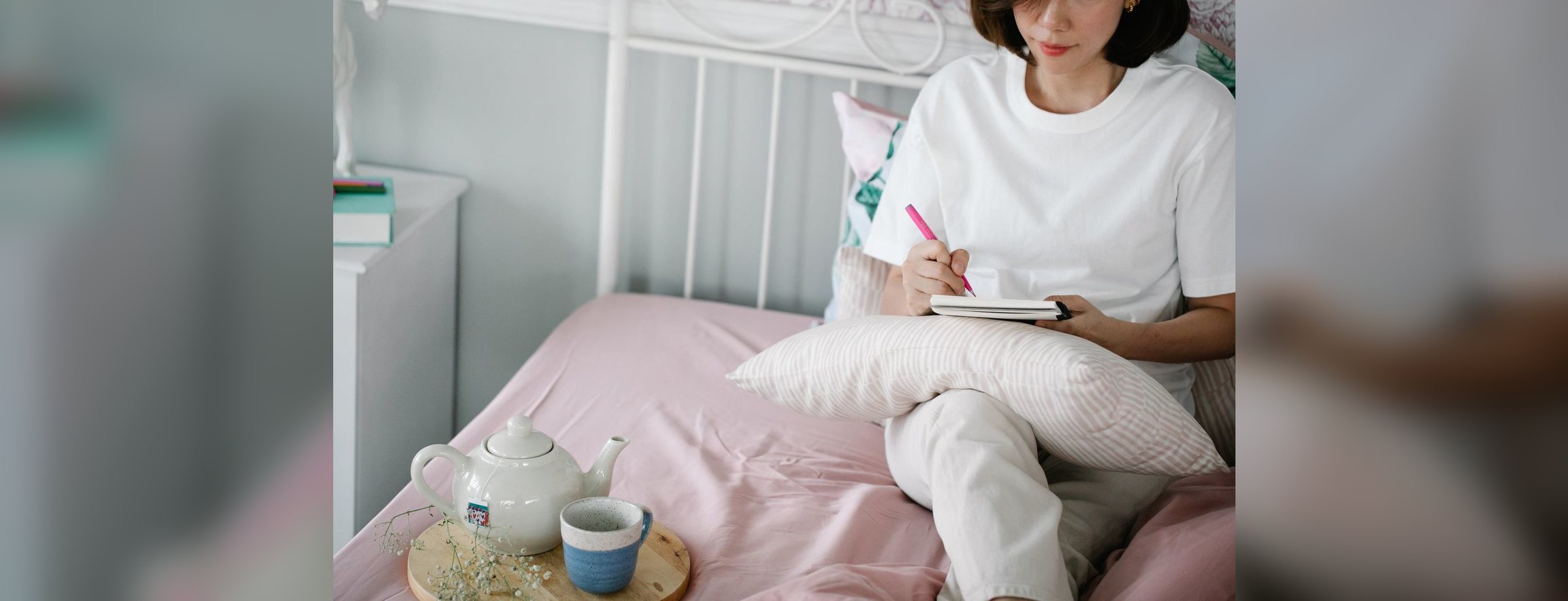
Keep the note somewhere you will actually look again, like a phone note or a paper calendar. Write the date, what you felt, and whether it changed from last month. If something is new, fixed, or growing, call your provider and ask them to write it in your record. A calmer habit is not less careful. It is careful with a memory.

When should you stop tracking and call someone?
Call a provider plainly if you find a new lump that feels fixed and does not move, skin that dimples or thickens like an orange peel, nipple discharge that is bloody or happens without squeezing, or a change in one breast only that persists past a cycle. These are common reasons to check, not a diagnosis.
You do not need to wait for a perfect symptom to ask for a record. Say: I found this on this date, it has changed, and I want it noted. If you are told it is stress or hormones and sent home, ask what the plan is for rechecking and who will document it. That question is not rude. It is your care.
What helps
- Set a phone reminder for one day a month, a few days after your period ends, and keep the check to two minutes.
- Write the date and what you felt in a plain note on your phone, even if the answer is nothing new.
- Use flat fingers and small circles in daylight, and note texture rather than hunting for a perfect technique.
- If a change worries you, photograph the calendar date and ask your provider to put it in your record.
- Keep a short list of what is normal for you, like pre-period tenderness, so next month has a baseline.
This page includes affiliate links. As an Amazon Associate, WOMO earns from qualifying purchases, at no extra cost to you.
Mae’s picks
- waterproof shower mirror — lets you look in daylight without straining
- plain paper calendar — gives monthly checks a visible place
- soft measuring tape — records size changes without guesswork
Start with the free 10-minute health assessment
Take the free 10-minute health assessment in WOMO, then spend 7 days with Mae, your health companion. Log your sleep, mood, cycle and symptoms, and Mae reads them together so you can see your patterns and bring them to your next appointment.
Take the free assessment