

Caffeine and Your Hormones: Finding Your Sweet Spot
Why does coffee hit differently now?
You have probably been told your racing heart, broken sleep, or sudden anxiety is just stress, hormones, or getting older. That may be partly true, but there is a more specific mechanism at work. Caffeine blocks adenosine, the molecule that builds sleep pressure through the day. It also prompts your adrenal glands to release cortisol and adrenaline. In perimenopause, your cortisol rhythm is already less stable, so the same cup you tolerated at 35 can land harder at 47.
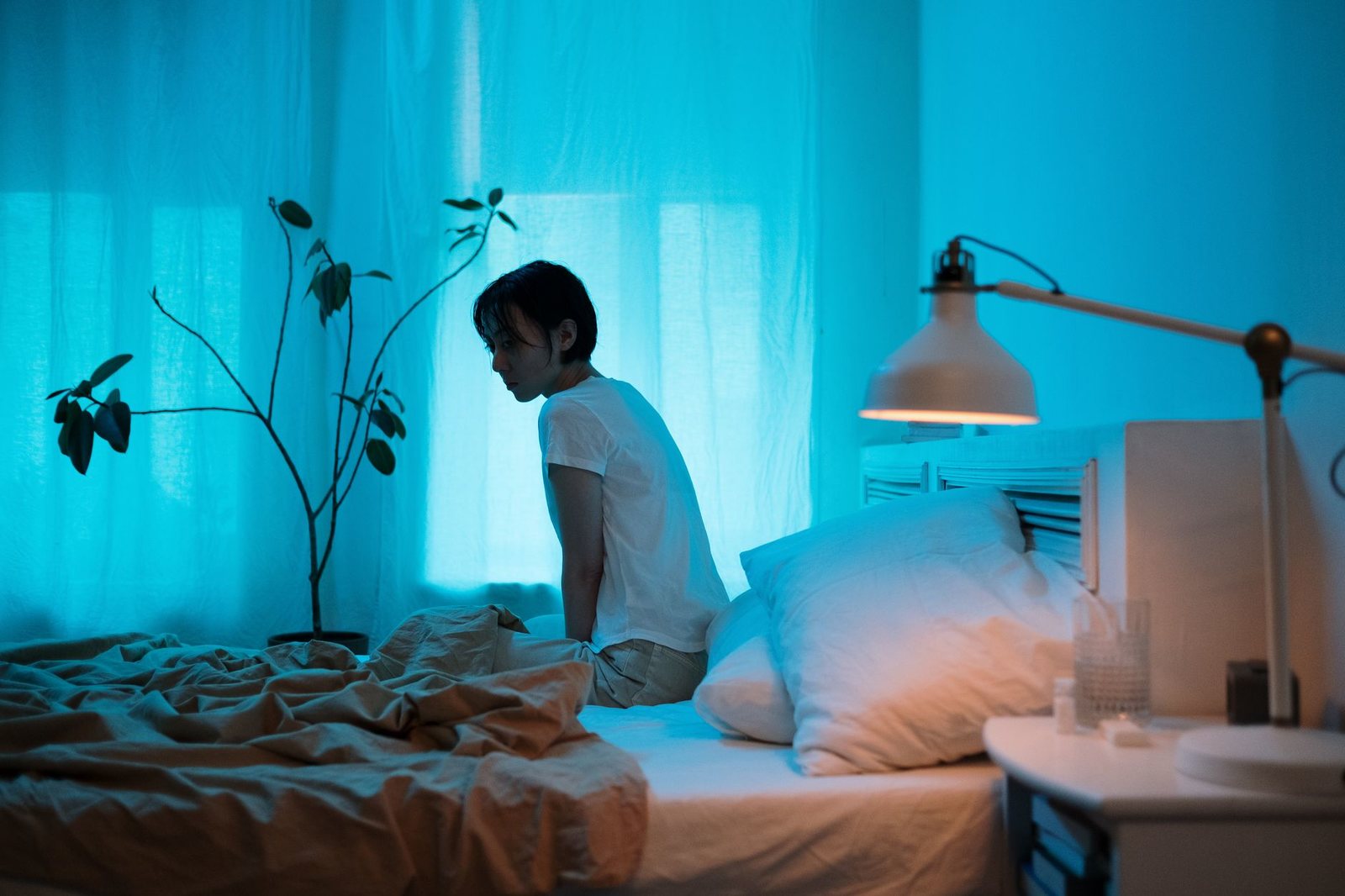
Caffeine also lingers. The half-life — the time it takes your body to clear half of it — is roughly five hours for most people, longer for some. That means a 3pm latte still has a quarter of its caffeine in your system at 1am. Around 3am, most people are in a lighter sleep stage, which is why you wake then and lie there with your heart going.
What is caffeine actually doing to my sleep and anxiety?
Sleep and anxiety feed each other, and caffeine sits in the middle of both. Even if you fall asleep fine, caffeine reduces deep sleep and increases the number of times you wake in the second half of the night. You may not remember those wakings, but you feel the result: foggy, flat, and more reactive. That reactivity makes the next day's coffee feel necessary, which is how the loop tightens.
Anxiety is not just in your head here. Caffeine raises heart rate and blood pressure and triggers the same physical sensations as anxiety — tight chest, buzzing limbs, shallow breath. If you are already wired from a cortisol surge, that extra jolt can tip you from manageable to overwhelmed. It is not weakness. It is physiology, and it is dose-dependent.

Do hot flashes and coffee really connect?
For some women, yes. Caffeine is a vasodilator, meaning it widens blood vessels, and it can raise skin temperature briefly. In a body already struggling to regulate temperature through the menopausal transition, that nudge can be enough to trigger a flush or a sweat. It is not universal — plenty of women drink coffee through perimenopause without a single hot flash tied to it — but if you notice a pattern, it is worth testing.
The connection is individual, which is frustrating when you want a clear answer. A simple way to check is to note when flashes happen for a week or two, alongside what you drank and when. If flashes cluster within an hour of coffee, you have your answer for your body. If they do not, coffee is probably not your trigger, and you can stop blaming it.
How do I find my own sweet spot?
Start with timing before you touch quantity. Most women find their last cup needs to land before noon to protect sleep, but your personal cutoff may be earlier or later. Try moving your last coffee one hour earlier for a week and see what changes at 3am. Then look at amount: a smaller cup, a half-caf, or a single espresso instead of a large drip can keep the ritual while reducing the load.
Watch for the second wind. If you reach for coffee at 2pm because you are crashing, that crash is often the tail of your morning cup, not true fatigue. A glass of water, ten minutes outside, or a protein snack at that point can do more than another shot. If your symptoms include palpitations, chest pain, or flashes so severe they disrupt your day, call your provider — those deserve a proper look, not a guess.
What helps
- Set a personal caffeine cutoff — try noon for one week and note what happens at 3am.
- Swap your afternoon cup for a half-caf or a smaller size and see if the crash still comes.
- Drink a full glass of water before your first coffee to soften the cortisol spike.
- Keep a simple note on your phone of when flashes happen and what you drank before them.
- Try ten minutes of daylight and a protein snack at 2pm instead of a second coffee.
This page includes affiliate links. As an Amazon Associate, WOMO earns from qualifying purchases, at no extra cost to you.
Mae’s picks
- half-caf coffee blend — keeps the ritual with less caffeine per cup
- magnesium glycinate supplement — often used to support wind-down and sleep routine
- cooling pillowcase — helps with night sweats and temperature swings
Start with the free 10-minute health assessment
Take the free 10-minute health assessment in WOMO, then spend 7 days with Mae, your health companion. Log your sleep, mood, cycle and symptoms, and Mae reads them together so you can see your patterns and bring them to your next appointment.
Take the free assessment