

Cervical Screening After 40: What Actually Changed
Why does it feel like the rules changed without telling you?
If your last smear was years ago, you may still picture the old routine: a Pap every year or two, a call either way, and a quiet assumption that a normal result bought you twelve months of calm. That schedule has largely been replaced, and nobody handed you the memo. In most countries, screening now begins with an HPV test, and the interval between tests is longer, not shorter.
This is not cost-cutting dressed up as progress. An HPV test detects the virus that causes nearly all cervical cancers, and it does so earlier and more reliably than looking at cells alone. Because HPV is common and usually cleared by your own immune system, a positive result is not the same as a cancer result. It is a signal to look closer, not a verdict.
So what actually happens at the appointment now?
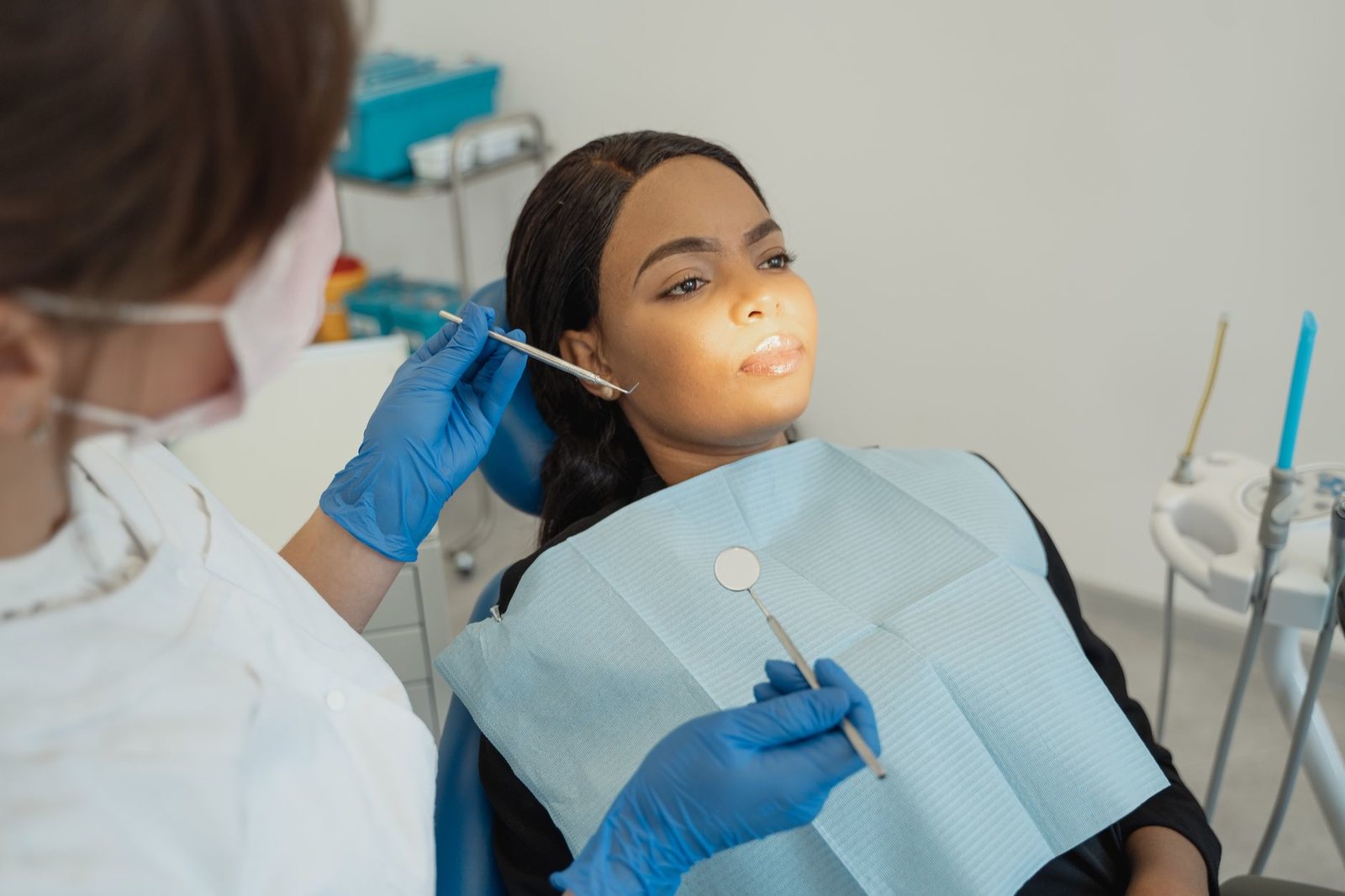
The sample is taken much as it always was, with a speculum and a small brush at the cervix. It takes a couple of minutes. What differs is what the lab does with it. Your sample is first tested for high-risk HPV types. If none are found, that is your result, and in many schedules you are not due again for five years. If HPV is found, the same sample is usually examined for cell changes.
Some programmes now offer self-collection, where you take the swab yourself in a private room. If that option exists where you live, it is worth asking for, particularly if past examinations were painful or difficult. A self-collected sample is a real test, not a lesser one. If you are bleeding between periods, after sex, or after menopause, that is a separate symptom and needs its own appointment, regardless of when your screening is due.

What does an abnormal result usually mean?
Most abnormal results mean HPV was found, sometimes with minor cell changes. The great majority of these resolve on their own within a year or two, which is why the next step is often a repeat test rather than treatment. Your body clearing the virus is the ordinary outcome, not the lucky one. Being asked to come back in twelve months is not being dismissed. It is the protocol working as designed.
A smaller number of results show changes that need a closer look, usually with a colposcopy, where the cervix is examined under magnification and a tiny sample may be taken. Even at this stage, most findings are not cancer. They are changes that could become cancer over many years if left alone, which is precisely why screening exists. If you have heavy bleeding, pain, or unusual discharge alongside an abnormal result, say so when you book.

What if you have been told it is just hormones?
Perimenopause brings irregular bleeding, dryness, and discomfort that can make a smear awkward or make you wonder whether anything is worth investigating. It is easy to accept a shrug and a suggestion that this is your age. But cervical screening is not about hormones, and it is not about age. It is a specific test for a specific virus, and it works the same way at 47 as it did at 37.
If you have been turned away with no record of what was found or why, you are allowed to ask for the result in writing. Ask which test was run, what it showed, and when you are next due. If you have symptoms that were waved off, ask what else could explain them. You do not need to be assertive to do this. You only need the sentence: can you write that down for me?
What helps
- Find out which test your clinic now uses, HPV or cytology, and when your next screen is actually due.
- Ask whether self-collection is available where you live if speculum examinations have been painful.
- Request your last result in writing, including the test type and the date, so you are not relying on memory.
- Book a separate appointment for any bleeding between periods, after sex, or after menopause rather than waiting for screening.
- Note the date of your next screen somewhere you will see it, because five-year intervals are easy to lose track of.
This page includes affiliate links. As an Amazon Associate, WOMO earns from qualifying purchases, at no extra cost to you.
Mae’s picks
- unscented pH-balanced intimate wash — Gentle cleansing without disrupting the vaginal environment
- cotton breathable underwear multipack — Everyday comfort and airflow during perimenopause
- appointment and symptom notebook — Keeps dates, results, and questions in one place
Start with the free 10-minute health assessment
Take the free 10-minute health assessment in WOMO, then spend 7 days with Mae, your health companion. Log your sleep, mood, cycle and symptoms, and Mae reads them together so you can see your patterns and bring them to your next appointment.
Take the free assessment