

Dense Breasts: What That Line in Your Results Means
What does 'dense breast tissue' actually mean?
Breast tissue is made of fatty tissue and fibroglandular tissue — the glands and ducts that produce and carry milk. Dense breasts simply have more of the fibroglandular kind and less fat. It is not a disease, not a precancerous change, and not something you did wrong. Around half of women over 40 who get mammograms are told they have dense tissue, so if that line showed up in your results, you are in very ordinary company.
What makes it worth understanding is this: dense tissue shows up white on a mammogram, and so does cancer. Fat shows up dark. That contrast problem is why a radiologist may note that your mammogram was harder to read — not because something was missed, but because the picture itself is busier. Density is also slightly more common in women who are younger, have lower body weight, or are on hormone therapy, though plenty of women have it with none of those factors.

Why did my results just say one line about it?
Many mammogram reports include a short sentence like 'heterogeneously dense' or 'extremely dense' as part of the standard breast density notification. That language comes from a four-category scale radiologists use, but the report often does not explain what the category means for you. You may have been told it is nothing to worry about and sent on your way, with no mention of what to do differently next time.
That one line is not a diagnosis and not a reason to panic. It is a piece of information about how your imaging reads. What it does mean is that you deserve a real conversation about whether a mammogram alone is enough for you, or whether adding another imaging method — like a breast ultrasound or, in some cases, an MRI — would give a clearer picture. That decision belongs with your provider, not with a form letter.
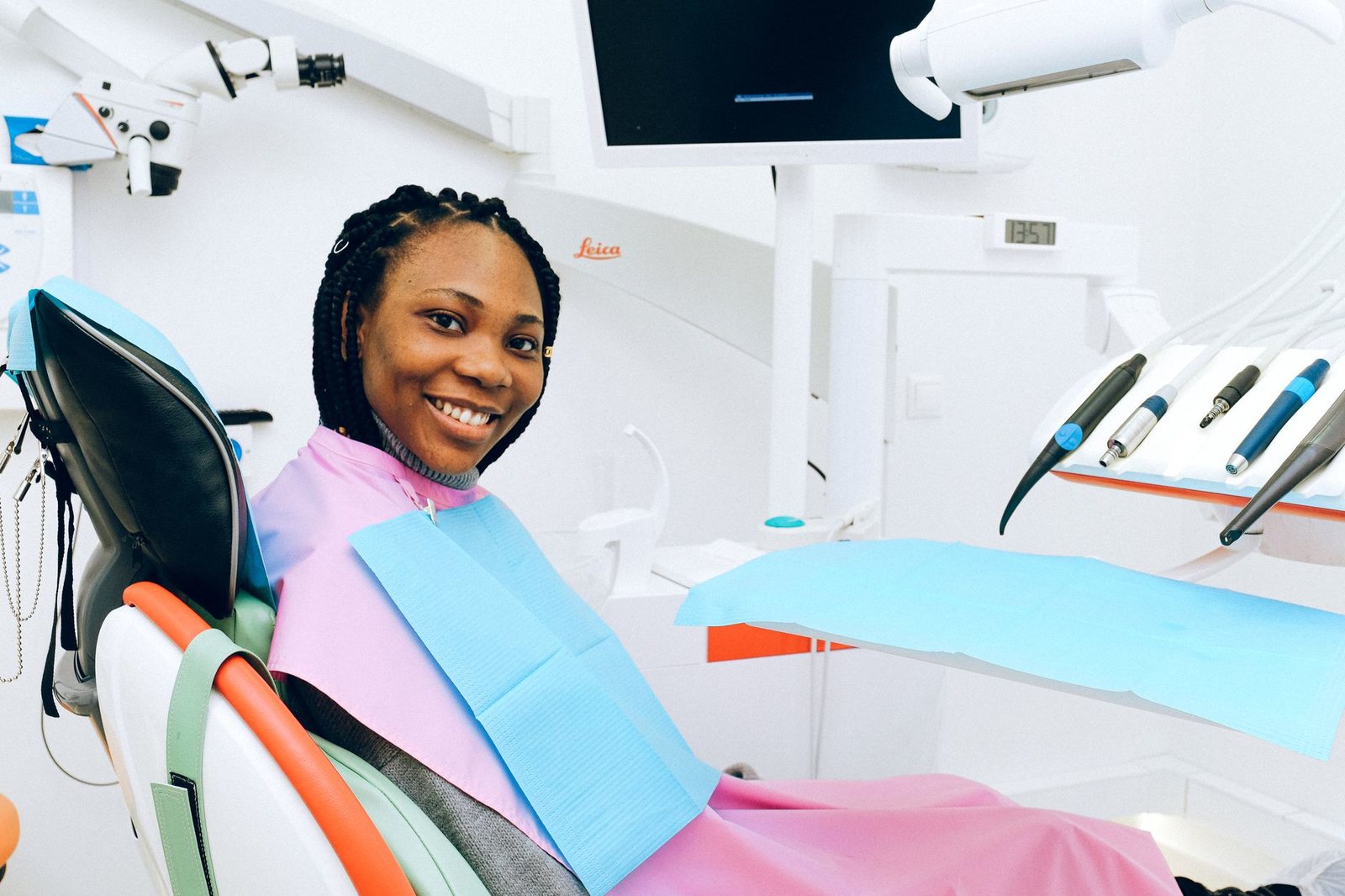
What should I ask at my next appointment?
Ask directly: 'What was my breast density category on this mammogram, and how does it compare to my last one?' Density can change over time, especially around menopause, so the trend matters. Then ask: 'Given my density and my personal risk factors, is a mammogram alone sufficient, or should we consider supplemental screening?' Bring a written list if it helps you stay on track — appointments move fast, and it is easy to leave with the same vague reassurance you came in with.
Also ask whether your previous mammograms are available for comparison, and whether you should be screened on a different schedule. If you have a family history of breast cancer, a prior biopsy, or a known genetic risk, say so out loud — those details change the conversation. If you ever notice a new lump, skin change, nipple discharge, or persistent pain, call your provider before your next scheduled mammogram rather than waiting.

How do I keep track of this without it taking over my life?
Write down your density category, the date of each mammogram, and any supplemental imaging you have had. Keep it somewhere you will actually find it — a note on your phone, a folder, or a health app that lets you log imaging history. Next time a new provider asks when your last mammogram was and what it showed, you will have the answer in seconds instead of trying to reconstruct it from memory at 8am in a exam room.
Notice what your body is doing between appointments, too. Most changes are benign, but tracking things like cyclical tenderness, new lumps, or skin changes gives you real information to bring to a provider instead of a vague sense that something feels off. You are not expected to interpret any of it yourself. You are just making sure the pattern is visible when it matters.
What helps
- Request the full mammogram report, not just the summary letter, so you can see your density category in writing.
- Write your density category and mammogram date in a note on your phone before you leave the imaging center.
- Ask your provider whether supplemental screening like ultrasound is appropriate for your density and risk profile.
- Bring a short written list of questions to your next appointment so the conversation does not drift.
- Track any new breast changes — lump, skin dimpling, nipple discharge — in a notes app with dates so you can describe them clearly.
This page includes affiliate links. As an Amazon Associate, WOMO earns from qualifying purchases, at no extra cost to you.
Mae’s picks
- health journal or symptom log — Keeps mammogram dates and breast changes in one place
- soft wireless bra — Comfortable option for tender or sensitive days
- cooling gel pack — Soothing for cyclical breast tenderness
Start with the free 10-minute health assessment
Take the free 10-minute health assessment in WOMO, then spend 7 days with Mae, your health companion. Log your sleep, mood, cycle and symptoms, and Mae reads them together so you can see your patterns and bring them to your next appointment.
Take the free assessment