
Endometriosis Signs Beyond Pelvic Pain
Endometriosis affects each woman differently, and its symptoms often extend well beyond the pelvis. Recognizing these less-discussed signs can be a crucial step toward getting the right support. Here are some surprising ways endometriosis may make its presence known.
Extreme Fatigue That Doesn't Lift
Endometriosis-related fatigue is more than just feeling tired. It’s a deep, bone-weary exhaustion that rest doesn’t fully fix. For many women, this fatigue is driven by the body’s constant inflammatory response to endometrial-like tissue growing outside the uterus.
This type of fatigue may also be linked to poor sleep quality due to pain, hormonal shifts, or the emotional toll of managing a chronic condition. If a woman finds herself struggling to get through the day despite adequate rest, it’s worth exploring whether endometriosis could be a contributing factor.

Digestive Distress and Bloating
Bloating, gas, constipation, diarrhea, and nausea are common companions for women with endometriosis, especially when lesions are located near the bowel or bladder. This is sometimes called "endo belly"—a visible, uncomfortable swelling that can appear suddenly and last for days.
Because these symptoms mimic irritable bowel syndrome (IBS), many women are misdiagnosed for years. Tracking digestive patterns alongside the menstrual cycle may reveal a link that points toward endometriosis rather than a standalone gut issue.
Painful or Heavy Periods—and Beyond
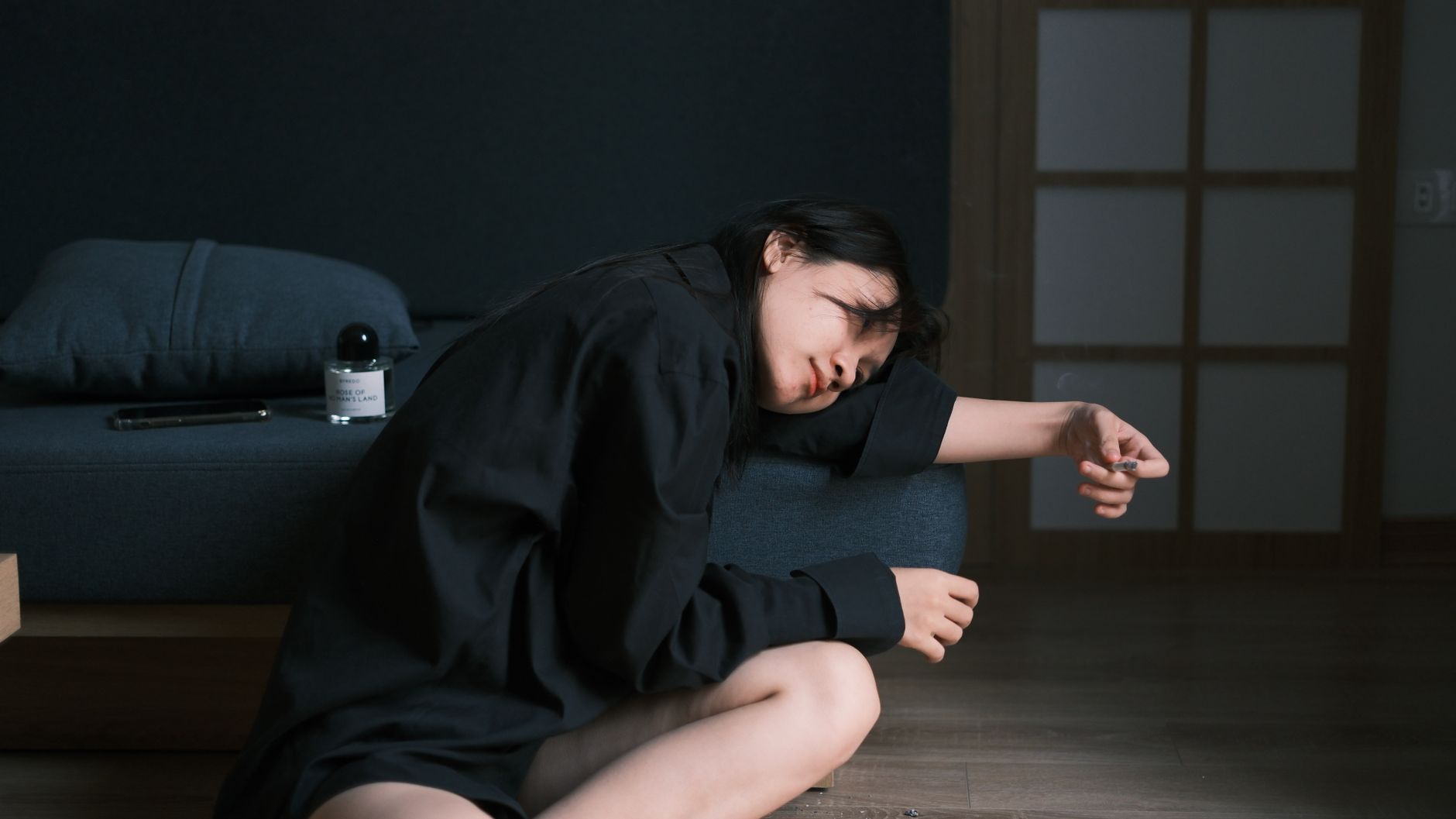
While period pain is often dismissed as normal, endometriosis can cause periods that are not only intensely painful but also unusually heavy or prolonged. Pain may also occur during ovulation, intercourse, or bowel movements.
What’s often overlooked is pain that radiates to the lower back, thighs, or even the shoulders. This happens because endometrial-like tissue can irritate nerves and other structures far from the pelvis. Any pain that feels out of proportion or occurs at multiple points in the cycle deserves attention.
Bladder and Urinary Issues
Endometriosis can affect the bladder and urinary tract, leading to symptoms like a frequent urge to urinate, pain when the bladder is full, or discomfort during urination. Some women may even notice blood in their urine around their period.
These signs are often mistaken for recurrent urinary tract infections (UTIs) or interstitial cystitis. If a woman has negative urine cultures but persistent bladder symptoms, endometriosis may be the underlying cause.
Fertility Challenges and Hormonal Imbalances
For some women, infertility is the first sign of endometriosis. The condition can affect fertility by causing inflammation, scar tissue, or adhesions that interfere with ovulation, egg quality, or implantation. However, many women with endometriosis do conceive naturally.
Hormonal imbalances, such as irregular cycles or estrogen dominance, are also linked to endometriosis. Tracking cycle patterns and other hormonal clues can help a woman and her provider connect the dots earlier.
What helps
- Keep a symptom diary that tracks pain, fatigue, digestion, and cycle days to share with a doctor.
- Explore anti-inflammatory foods like leafy greens, fatty fish, and turmeric, which may help ease systemic inflammation.
- Consider working with a pelvic floor physical therapist to address pain and tension in the pelvic region.
- Prioritize restorative sleep with a consistent bedtime routine to support the body's natural repair processes.
- Join a supportive community of women navigating similar experiences to reduce isolation and share practical tips.
This page includes affiliate links. As an Amazon Associate, WOMO earns from qualifying purchases, at no extra cost to you.
Mae’s picks
- Cramp Bark Tincture — traditional support for uterine cramping
- Iron Bisglycinate — the gentle, well-absorbed iron form
- Probiotic for Women — strains the female microbiome needs
Start with the free 10-minute health assessment
Take the free 10-minute health assessment in WOMO, then spend 7 days with Mae, your health companion. Log your sleep, mood, cycle and symptoms, and Mae reads them together so you can see your patterns and bring them to your next appointment.
Take the free assessment