

Fibroids and Black Women: Why They Are More Common
Why are fibroids more common in Black women?
Research consistently shows that Black women develop uterine fibroids earlier, more often, and with more severe symptoms than white women. Studies estimate that by age 50, around 70 to 80 percent of Black women will have had fibroids, compared with roughly 50 to 70 percent of white women. They also tend to grow larger and cause more disruptive bleeding and pain.
The reasons are not fully understood, but they are not about personal failure or lifestyle. Researchers point to a mix of genetic factors, differences in how the body regulates hormones and vitamin D, and chronic stress from structural racism. What is clear is that if you have fibroids, you are not an outlier — you are in the majority for Black women, and your symptoms deserve attention.

What does dismissal sound like — and what is actually happening?
You may have been told your heavy periods are just hormones, your pelvic pressure is stress, or that you are simply getting older. Perimenopause does bring cycle changes, but soaking through a pad or tampon every hour, passing large clots, or feeling a constant heaviness in your pelvis are not things to wave off. Those are common signs of fibroids, and they are worth investigating.
Dismissal is common. Studies show Black women are more likely to have their pain and bleeding minimized, to wait longer for a diagnosis, and to be offered fewer treatment options. When you leave an appointment with no record of your symptoms, that is not a sign your symptoms are minor. It is a sign the conversation was cut short.
How do I push for answers without being written off?
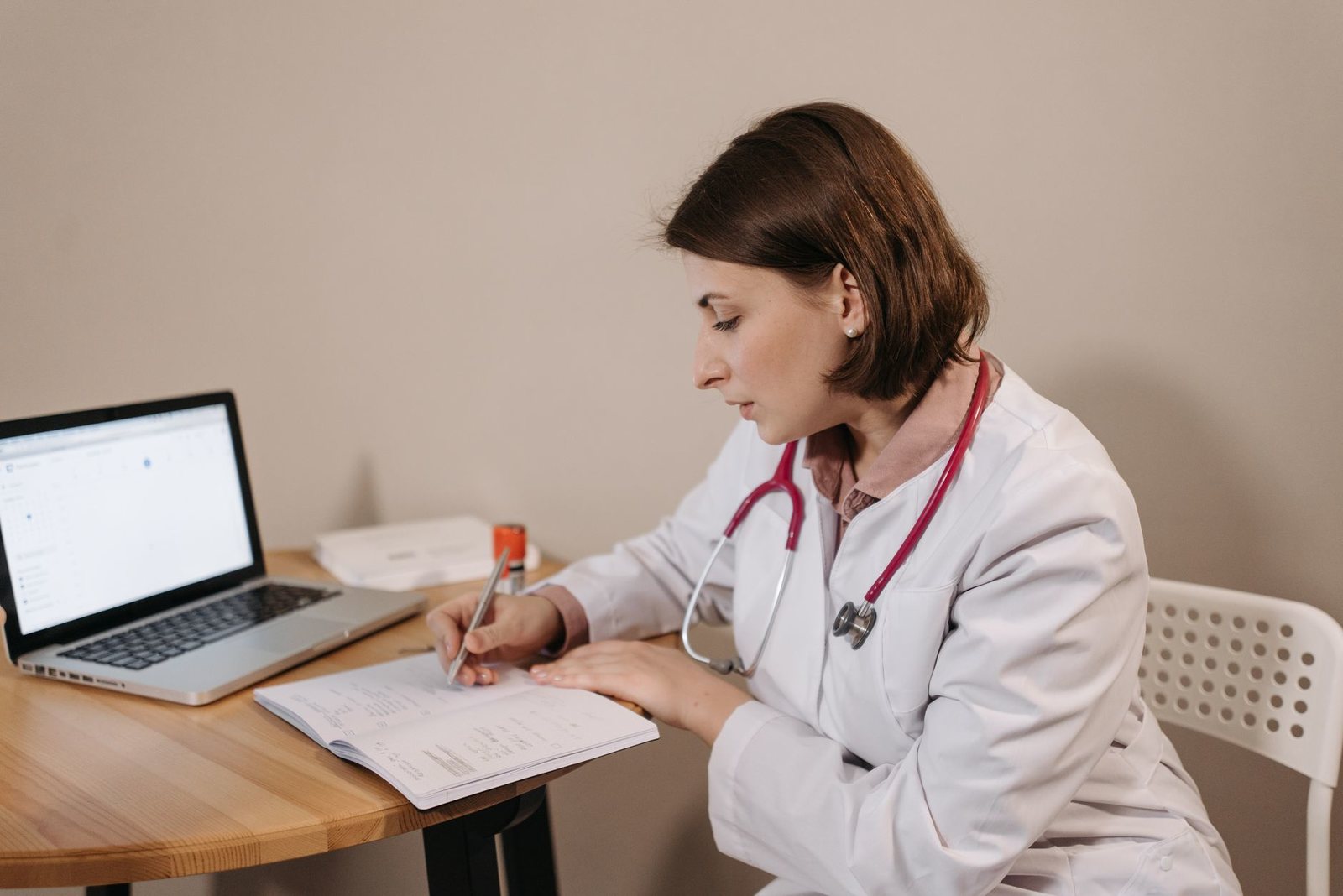
Start by keeping a simple log for two or three cycles: how many days you bleed, how often you change protection, any clots, pain scores, and whether you feel pressure or fullness in your lower belly. Bring it on paper. A written record is harder to dismiss than a verbal description, and it gives your provider something concrete to act on.
Ask directly for a pelvic exam and an imaging referral, usually an ultrasound first. If you are told it is just stress or hormones, ask what else could cause these symptoms and what the plan is to rule those out. You can also ask for your visit notes and test results in writing. If you feel rushed or unheard, it is reasonable to seek a second opinion — ideally with a gynecologist who regularly treats fibroids.

When should I call a provider right away?
Call your provider promptly if you are bleeding so heavily that you soak through a pad or tampon in an hour for more than a couple of hours, feel dizzy or faint, or pass clots larger than a golf ball. Also call if you have severe pelvic pain, a fever with pelvic pain, or sudden sharp pain that does not ease. These can be signs of something that needs urgent care.
For less urgent but persistent symptoms — heavy periods, pelvic pressure, frequent urination, or a belly that feels fuller — book an appointment and bring your log. Fibroids are common and often manageable, but the first step is getting them named. Nothing here replaces a visit with your own provider, and you deserve one that takes your symptoms seriously.
What helps
- Keep a two-cycle symptom log with bleeding days, pad or tampon changes, clot size, and pain scores.
- Ask for a written copy of your visit notes and any test results before you leave the office.
- Request a pelvic exam and an ultrasound referral in plain words at your next appointment.
- Bring one specific question written down, such as what else could cause this bleeding.
- If you feel rushed, book a second opinion with a gynecologist who treats fibroids regularly.
This page includes affiliate links. As an Amazon Associate, WOMO earns from qualifying purchases, at no extra cost to you.
Mae’s picks
- symptom tracking journal — keeps bleeding and pain details in one place
- heating pad — soothes pelvic cramping at home
- overnight period underwear — backup protection for heavy bleeding days
Start with the free 10-minute health assessment
Take the free 10-minute health assessment in WOMO, then spend 7 days with Mae, your health companion. Log your sleep, mood, cycle and symptoms, and Mae reads them together so you can see your patterns and bring them to your next appointment.
Take the free assessment