GLP-1 Bloating? Gentle Solutions for Women's Digestion
Bloating is one of the most common side effects women report when starting a GLP-1 medication. It can leave you feeling uncomfortable, frustrated, and unsure what to do. The good news is that with a few small shifts, many women find relief. This article offers practical, gentle solutions to help your digestive system feel more at ease.
Why GLP-1s Can Cause Bloating
GLP-1s work by slowing down how fast food moves through the stomach. This helps with blood sugar control and appetite, but it can also mean food stays longer in the digestive tract. For many women, this leads to a feeling of fullness that crosses into bloating or discomfort.
The body is adjusting to a new rhythm. It's not a sign something is wrong—it's a signal to be mindful of how and what she eats. Understanding this makes it easier to find solutions that work.
Small Eating Changes That Make a Big Difference
One of the most helpful shifts is eating smaller, more frequent meals. Instead of three large meals, she might try five or six mini-meals throughout the day. This gives the digestive system less work at once and can reduce that heavy, bloated feeling.
Chewing food thoroughly and eating slowly also supports digestion. When the body has time to signal fullness, it's easier to avoid overeating, which is a common trigger for bloating.
Foods That May Help Ease Bloating
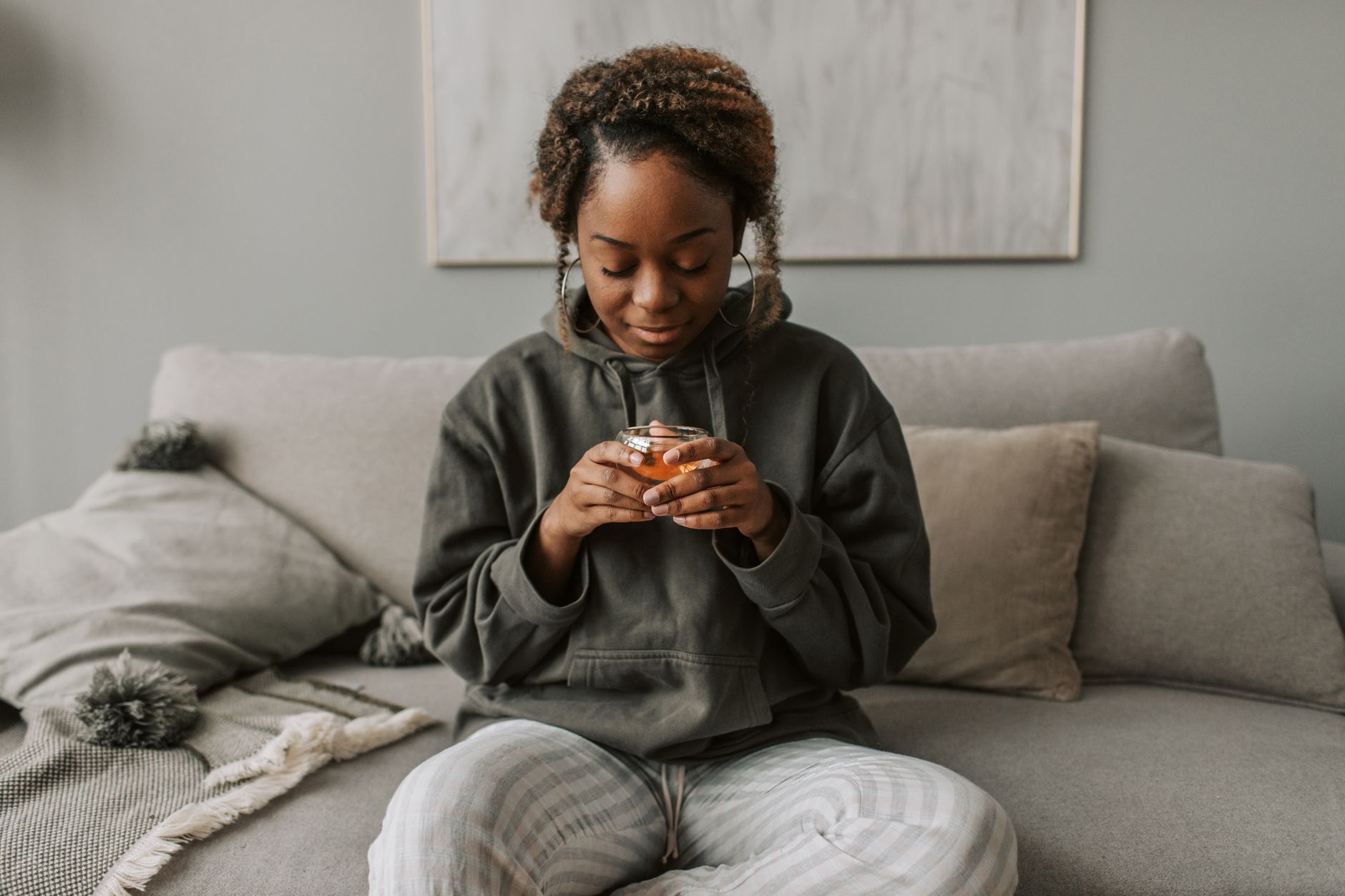
Certain foods are known for being gentle on the stomach. Cooked vegetables like zucchini, carrots, and spinach are often easier to digest than raw ones. Ginger, fennel, and peppermint tea are traditional go-tos for soothing the gut.
It's also wise to pay attention to high-fiber foods. While fiber is important, a sudden increase can worsen bloating. Slowly introducing fiber-rich foods like oats, bananas, and avocados may help the body adjust without discomfort.
Hydration and Movement: Simple Supports
Staying hydrated is key. Water helps keep things moving through the digestive tract. Sipping water throughout the day—rather than large amounts at once—may be more comfortable for a woman on a GLP-1.
Gentle movement, like a short walk after meals, can also stimulate digestion. Even five minutes of light activity can help reduce bloating and support overall gut health.
When to Talk to a Provider
If bloating persists or becomes painful, it's always a good idea to check in with a healthcare provider. They can help rule out other causes and may adjust the medication or suggest additional support. Most women find that bloating improves over time as the body adjusts, but no one should suffer in silence.
What helps
- Eat smaller, more frequent meals throughout the day.
- Chew food thoroughly and eat slowly.
- Sip water steadily rather than gulping.
- Take a gentle walk after meals.
- Sip ginger or peppermint tea when feeling bloated.
This page includes affiliate links. WOMO may earn a small commission, at no extra cost, from purchases made through them.
Mae’s picks
- Probiotic for Women — strains the female microbiome needs
- Berberine 500mg — supports insulin sensitivity
WOMO Health is here. The bio-intelligence app that helps you decode your body, track what matters, and finally get answers is available now. Download WOMO and start listening to what your body has been telling you all along.
Get the WOMO App →