GLP-1 and PCOS: How to Avoid Protein Bloating
For many women navigating PCOS alongside GLP-1 therapies, protein is a key ally for stabilizing blood sugar and supporting metabolism. Yet, that same protein can trigger bloating, leaving her feeling heavy and frustrated. This article explores why this happens and offers gentle, practical strategies to help her enjoy protein's benefits without the discomfort.
Why Protein Bloating Happens on GLP-1s
GLP-1 medications work by slowing down digestion, which helps with appetite control and blood sugar balance. For a woman with PCOS, this slower transit time can mean that protein—especially from certain sources—lingers longer in the gut, leading to gas and bloating.
Additionally, many women with PCOS have underlying gut sensitivities, such as slower motility or imbalances in gut bacteria. When protein isn't fully broken down, it can ferment in the colon, creating that uncomfortable full feeling. It is a common experience, not a sign that anything is wrong.
Choosing Easier-to-Digest Proteins
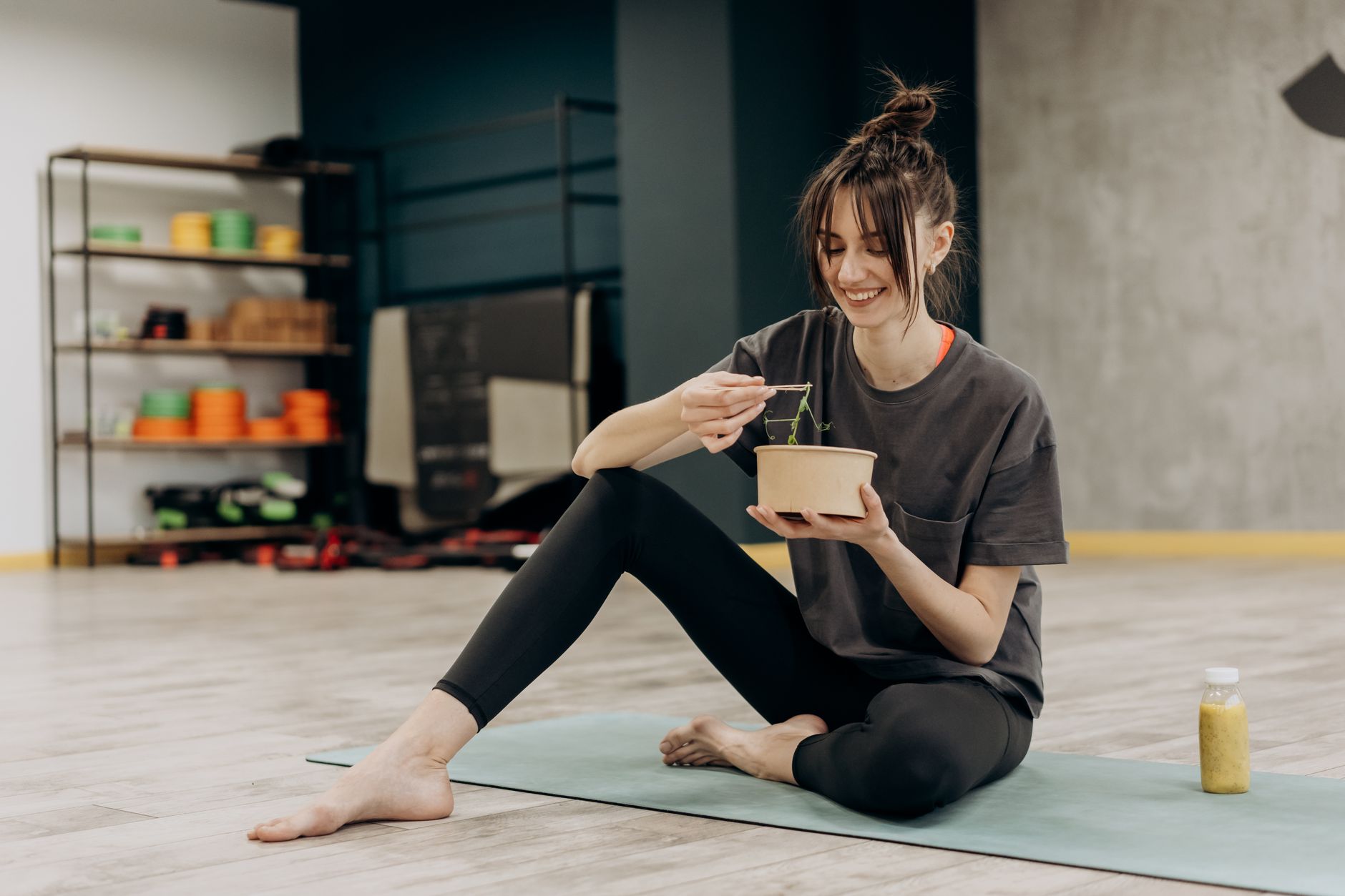
Not all proteins are created equal when it comes to digestion. For the woman on GLP-1s, opting for leaner, simpler proteins may help. Think skinless chicken, fish, eggs, or plant-based options like tofu or tempeh, which tend to be gentler on the stomach.
Red meats or high-fat cuts can be harder to break down and may worsen bloating. She might also consider incorporating small amounts of collagen peptides or bone broth, which are often easier to absorb and can soothe the digestive tract.

Timing and Portion Size Matter
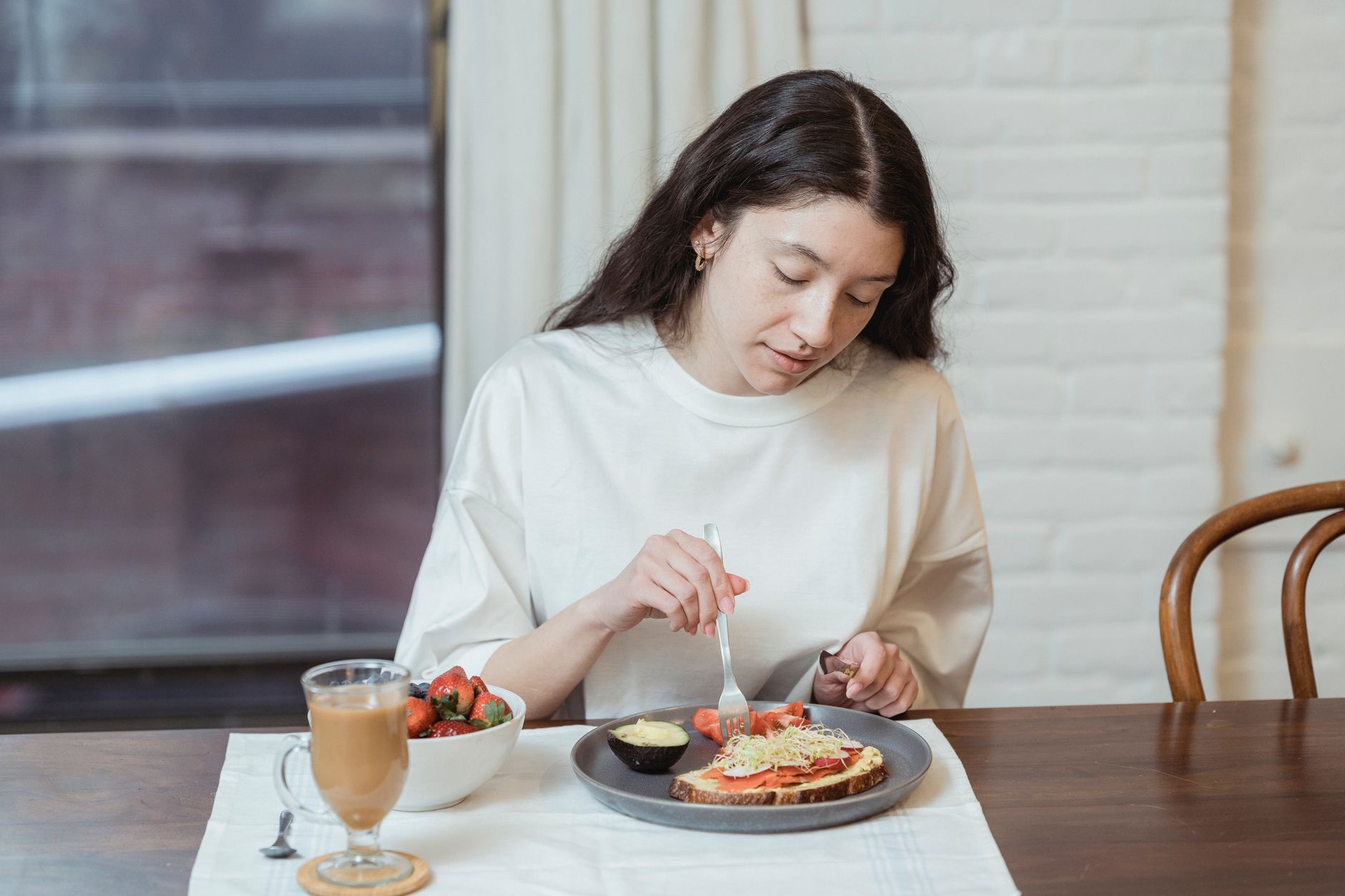
Large protein portions can overwhelm a slowed digestive system. Instead, spreading protein intake across the day in smaller, balanced meals may reduce bloating. For example, a woman might have a few bites of egg at breakfast, a palm-sized portion of fish at lunch, and a light protein snack in the evening.
Eating slowly and chewing thoroughly also supports digestion. Rushing through meals can trap air and increase bloating. Encouraging her to pause, breathe, and enjoy her food can make a real difference.
Supporting Digestion with Gentle Additions
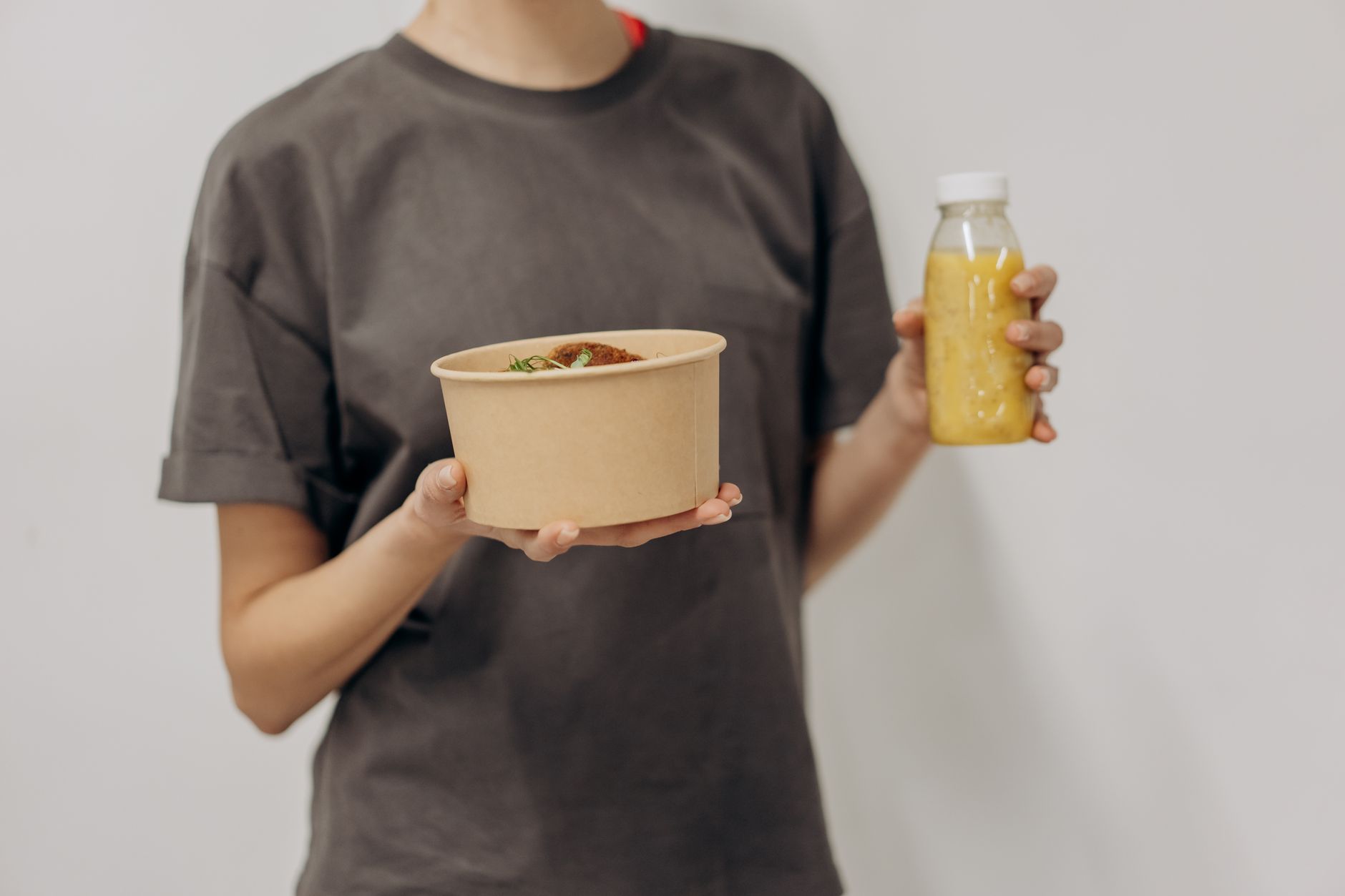
Certain foods and habits may help her body process protein more smoothly. Ginger tea, fennel seeds, or peppermint can ease gas and bloating. Digestive enzymes, particularly those that break down protein like bromelain or papain, may also be worth exploring with a provider.
Staying hydrated is crucial—water helps fiber and protein move through the digestive tract. However, she might avoid drinking large amounts during meals, as that can dilute stomach acid and slow digestion further.
What helps
- Choose lean proteins like chicken, fish, eggs, or tofu instead of heavy red meats.
- Eat smaller protein portions spread across the day rather than one large serving.
- Sip ginger or peppermint tea after meals to ease bloating.
- Chew food slowly and thoroughly to support digestion.
- Talk to a doctor about trying digestive enzymes with protein-specific formulas.
WOMO Health is here. The bio-intelligence app that helps you decode your body, track what matters, and finally get answers is available now. Download WOMO and start listening to what your body has been telling you all along.
Get the WOMO App →