
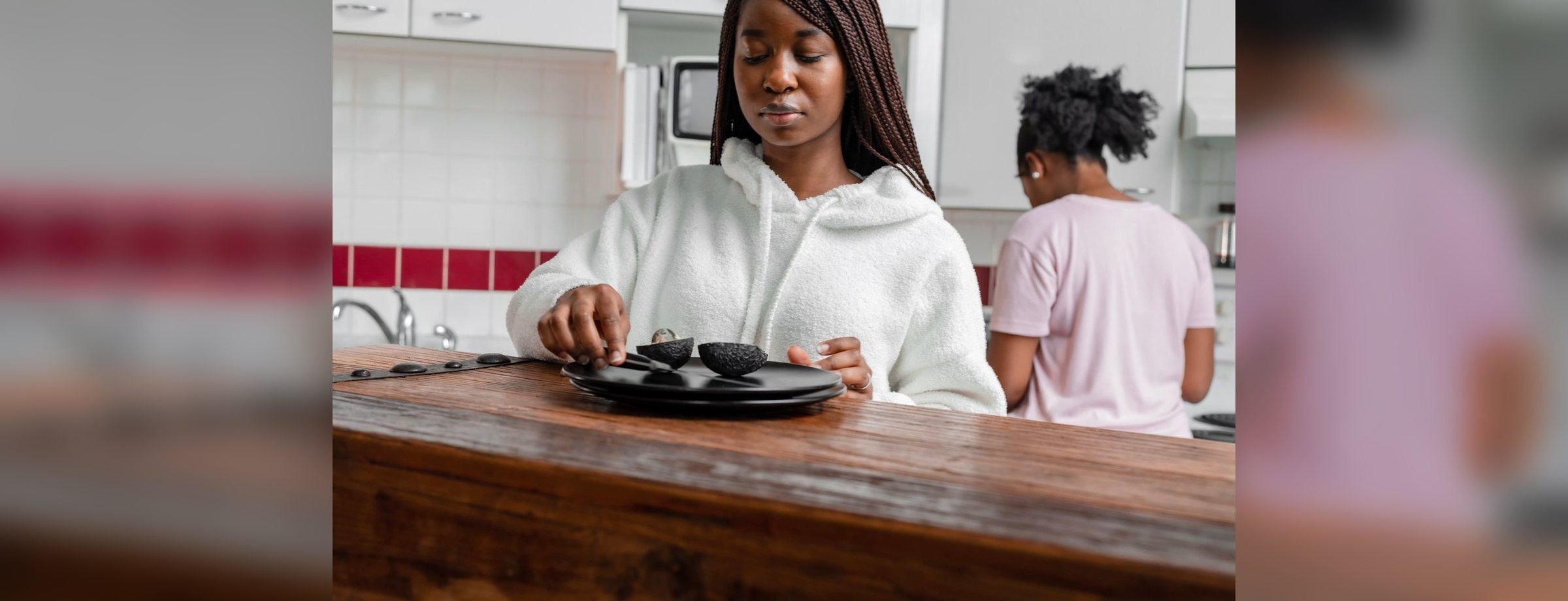
Gut Symptoms That Show Up at the Same Time Every Month
Why does my gut act up at the same point every month?
You have probably kept a food diary, cut out dairy, tried low-FODMAP, and still the bloating, cramping, or loose stools arrive on a schedule that has nothing to do with lunch. Around the second half of your cycle, falling estrogen and rising progesterone change how quickly food moves through your gut. That shift is real, measurable, and cyclical.
Progesterone slows the muscle contractions that move food along, which can mean constipation, bloating, and a heavier feeling in the days before your period. Estrogen receptors sit throughout the digestive tract, so when estrogen dips, sensitivity to gas and distension can rise. The result is a gut that seems to react to nothing you ate and everything your calendar did.

Why was I told it was just stress or something I ate?
Because a single appointment catches a single moment. If you were seen on day nine, your gut looked calm and the conversation turned to stress. If you were seen on day twenty-six, you may have been asked what you ate yesterday. Without a record of the pattern across weeks, the monthly rhythm is invisible to anyone looking at one snapshot.
Stress and food do matter, and they can layer on top of a hormonal pattern. But when symptoms cluster in the same week of every cycle, that is a signal worth naming out loud. You are not being dramatic by pointing out that the timing is consistent. You are describing data.

What does the monthly pattern actually look like?
Many women describe a build through the luteal phase: bloating that increases day by day, bowel habits that slow, then a shift to looser stools once bleeding starts. Some notice nausea or reflux in the same window each month. The key is not any single symptom but the repetition, the same cluster returning within a few days of the same cycle point.
Tracking helps because memory is unreliable across a month. Note the date, the symptom, and where you are in your cycle. After two or three cycles, a pattern often becomes clear enough to bring to a provider. If you have severe pain, bleeding between periods, unexplained weight loss, or symptoms that wake you at night, call your provider rather than waiting to track.
What can I do with this information this week?
Start with a simple log: date, cycle day, symptom, and severity. Keep it for one full cycle. This gives you something concrete to show a provider instead of a vague sense that something is off. It also helps you separate a hormonal pattern from a true food trigger, which often shows up within hours rather than days.
Plan around the week you now expect to feel worse. If you know days twenty-two to twenty-six are heavy and bloated, you can adjust meals, hydration, and rest without treating it as a personal failing. And if the pattern holds for three cycles, book an appointment and bring the log. You are not asking for reassurance. You are asking for a conversation about a documented pattern.
What helps
- Log your symptoms with the date and cycle day for one full cycle so the pattern is visible on paper.
- Note the timing of meals alongside symptoms to separate a food reaction from a hormonal one.
- Keep hydration steady in the week before your period, when slower transit can make bloating feel worse.
- Plan lighter, easier-to-digest meals for the days your log shows symptoms typically cluster.
- Bring your log to your next appointment and ask specifically whether the timing fits a cyclical pattern.
This page includes affiliate links. As an Amazon Associate, WOMO earns from qualifying purchases, at no extra cost to you.
Mae’s picks
- symptom tracking journal — to record cycle day and gut symptoms together
- magnesium glycinate supplement — commonly used for cycle-related discomfort, ask your provider
- heating pad — for lower abdominal cramping during symptom days
Start with the free 10-minute health assessment
Take the free 10-minute health assessment in WOMO, then spend 7 days with Mae, your health companion. Log your sleep, mood, cycle and symptoms, and Mae reads them together so you can see your patterns and bring them to your next appointment.
Take the free assessment