Why Heart Attack Symptoms Differ in Women vs Men
For decades, the classic image of a heart attack has been a person gasping and grabbing their chest. While that can happen, it often tells only part of the story—especially for women. Research and clinical experience show that heart attack symptoms in women may differ in ways that are easy to miss or dismiss. Understanding these differences can help the woman who wants to listen to her body with more clarity and confidence.
The Classic Heart Attack Picture—and Why It’s Not the Whole Story
The typical heart attack symptom most people learn is sudden, crushing chest pain that radiates down the left arm. This image is based largely on studies done in men, and it can lead to a dangerous blind spot for women. When a woman’s symptoms don’t match this pattern, she—or even her provider—might not recognize what’s happening.
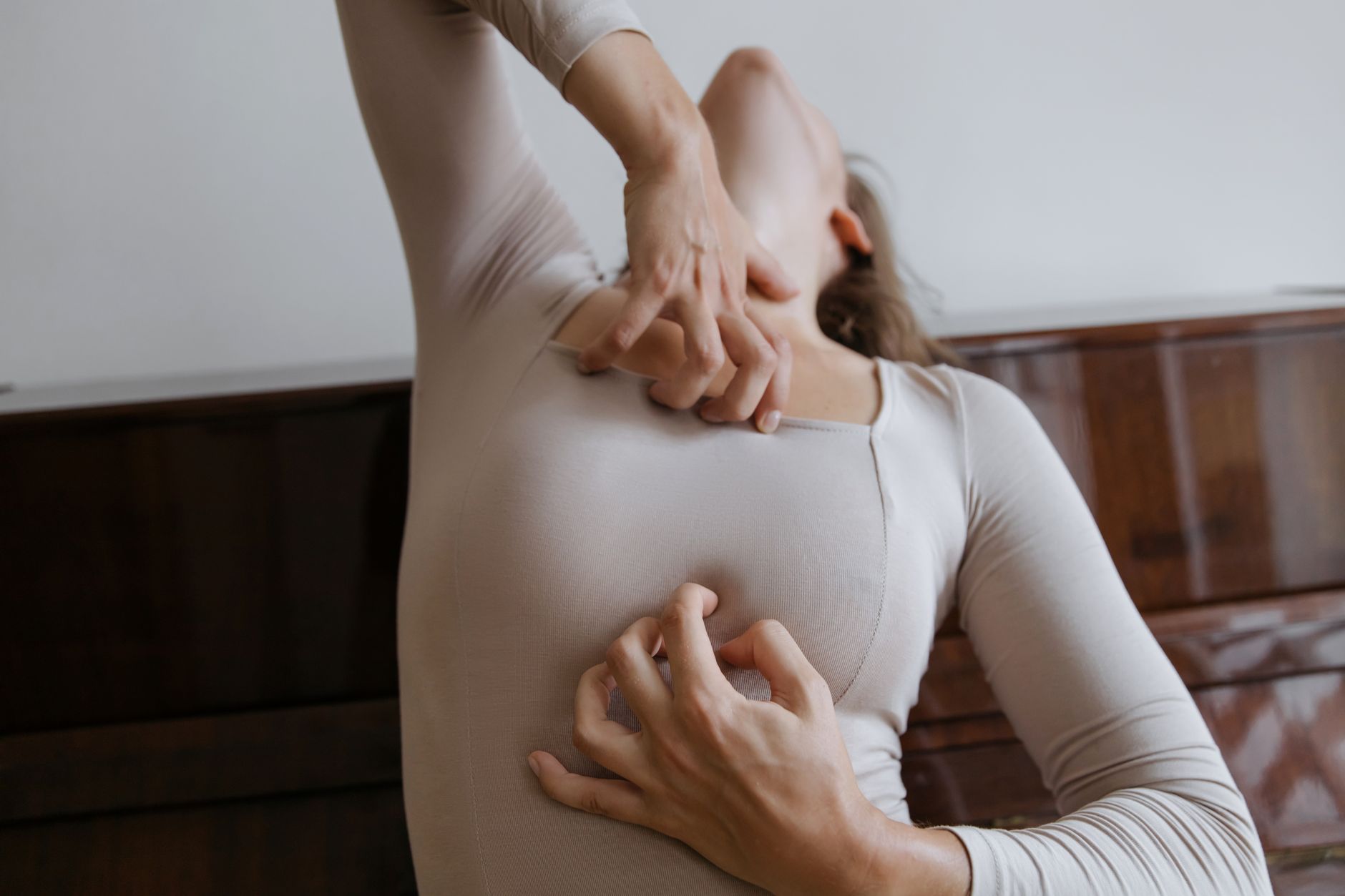
For many women, a heart attack may not involve chest pain at all, or the chest discomfort may feel more like pressure, squeezing, or fullness rather than a sharp pain. This can make it easy to brush off as indigestion, anxiety, or muscle strain.

Common Symptoms Women May Experience
Women are more likely than men to experience symptoms that seem unrelated to the heart. These can include unusual fatigue that feels overwhelming, shortness of breath without chest discomfort, nausea or vomiting, pain in the back, jaw, neck, or stomach, and breaking out in a cold sweat. Some women describe a sense of impending doom or simply not feeling right.
These signs can come on gradually over hours or days, or strike suddenly. Because they don’t fit the classic script, many women wait longer to seek help—which can delay critical treatment. Recognizing these patterns is a powerful step toward self-advocacy.

Why the Differences Exist
The reasons behind these differences are still being explored, but they may be linked to how plaque builds up in arteries. In men, plaque often forms in large blockages, while in women, it may spread more evenly along artery walls or cause smaller blockages in smaller vessels. This condition, known as microvascular disease, can still lead to a heart attack but may not show up on standard tests.
Hormonal factors, particularly estrogen, also play a role in heart health. Before menopause, estrogen helps keep blood vessels flexible and reduces inflammation. After menopause, estrogen levels drop, which may contribute to changes in heart disease risk and symptom presentation. Understanding these biological nuances can help a woman tune into her own body’s signals.

What Every Woman Can Do to Protect Her Heart
Knowledge is a starting point, but action is key. The woman who recognizes that her symptoms may be different is better equipped to speak up clearly when something feels off. She can ask her provider directly about heart disease risk, especially if she has conditions like high blood pressure, diabetes, or a family history of heart issues.
Simple lifestyle habits—like staying active, eating a balanced diet, managing stress, and getting enough sleep—support heart health at every age. And knowing the less obvious signs of a heart attack means she can act quickly, even when the symptoms don’t look like the ones in the movies.
What helps
- Pay attention to unusual fatigue, shortness of breath, or discomfort in the jaw, neck, back, or stomach.
- Trust your intuition—if something feels wrong, don’t wait to check in with a provider.
- Know your personal risk factors, including family history, blood pressure, and cholesterol levels.
- Practice heart-healthy habits like regular movement, balanced nutrition, and stress management.
- Share these differences with friends and family so they can recognize symptoms too.
This page includes affiliate links. WOMO may earn a small commission, at no extra cost, from purchases made through them.
Mae’s picks
- Omega-3 Fish Oil — EPA/DHA for inflammation, heart and mood
- Vitamin D3 + K2 — directs calcium to bones, not arteries
- Ashwagandha KSM-66 — the clinical-grade extract for cortisol
WOMO Health is here. The bio-intelligence app that helps you decode your body, track what matters, and finally get answers is available now. Download WOMO and start listening to what your body has been telling you all along.
Get the WOMO App →