
Iron, Energy, and the Holiday Drain
Why does busy season feel like low iron?
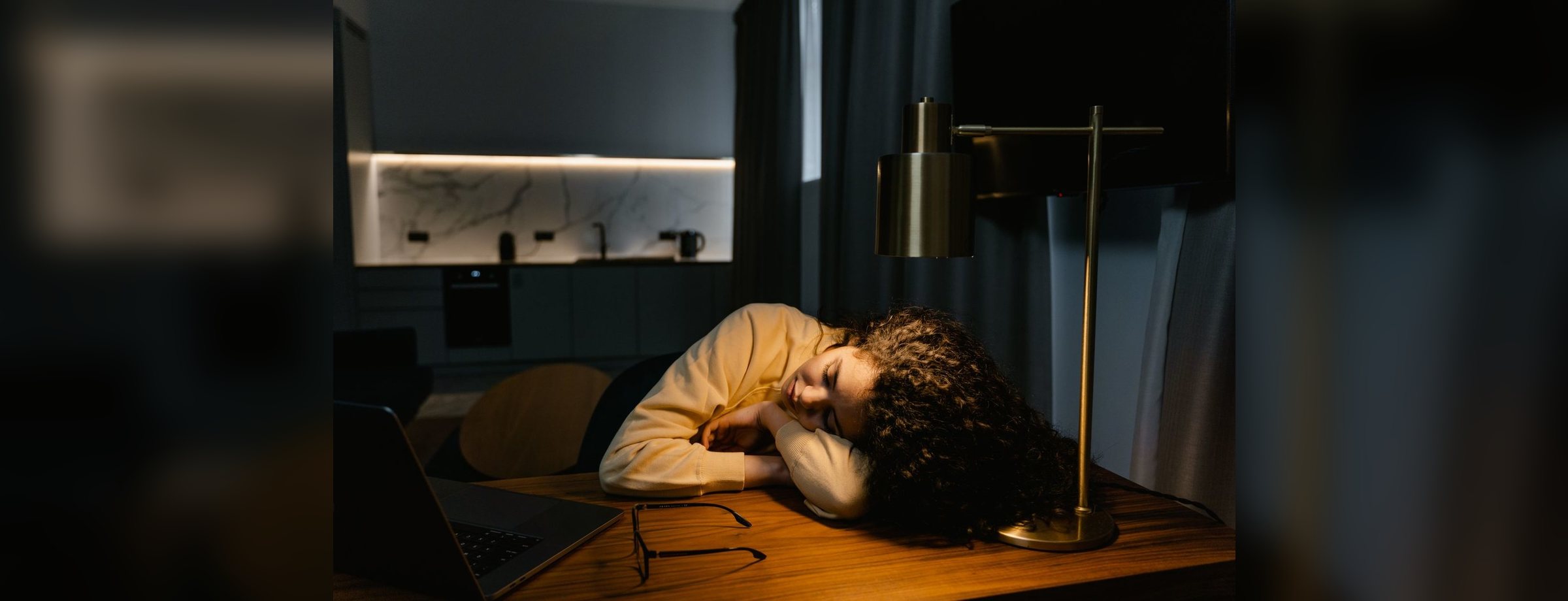
You have probably been told it is stress, hormones, or just the time of year. Busy seasons stack late nights, skipped meals, travel, and extra caregiving, and your body pays for it in ways that look a lot like low iron: heavy limbs, foggy thinking, feeling cold when others are fine. That pattern is common, and it is worth naming rather than waving off.
Iron sits at the center of how your body moves oxygen and makes energy. When intake drops, absorption is off, or blood loss adds up, your stores can fall before your hemoglobin does. That is why a lab result labeled borderline can still line up with real fatigue. It is not a diagnosis, and it is not nothing.

What does borderline mean on a lab report?
A borderline result usually means a number sits near the edge of a reference range, not that your body is fine. Reference ranges are built from broad populations, so what is normal for a group may not match how you feel. Ferritin, the protein that stores iron, can shift with inflammation, recent illness, or the week of your cycle, which makes a single reading hard to interpret alone.
This is why the visit can end with reassurance and no record of your symptoms. If you have been told everything looks fine but you are still exhausted, ask what was tested and whether your results were compared over time. Tracking your own pattern gives a clinician something concrete to work with.

Which symptoms are worth writing down?
Track the fatigue itself: when it hits, how deep it goes, and whether rest brings you back. Note breathlessness on stairs you used to climb easily, a racing heart at rest, unusual paleness, cold hands and feet, brittle nails, or hair shedding more than usual. Write down headaches, dizziness on standing, and any change in your menstrual flow, since blood loss is one of the most common reasons stores drop.
Keep the log short and dated. A few lines a day for two to three weeks beats a vague memory at your next appointment. If you notice chest pain, fainting, or breathlessness at rest, call a provider promptly rather than waiting to see if it passes.

How do you bring this to a provider without being dismissed?
Bring your log and ask specific questions: which iron markers were tested, what the numbers were, and whether they have changed since last time. Ask whether your cycle, diet, or recent illness could affect the results. You are not asking for a diagnosis. You are asking for your symptoms to be recorded and for a plan to be revisited if nothing improves.
Mae can help you keep that record in one place, so patterns are easier to see and describe. It does not replace your clinician, and it will not tell you what is wrong. It gives you language and history, which is often what turns a rushed visit into a useful one.
What helps
- Keep a dated two-line daily note of energy level and any dizzy or breathless moments.
- Pair iron-rich foods with a source of vitamin C at one meal most days.
- Keep coffee and tea at least an hour away from your main iron-containing meal.
- Protect a consistent bedtime during busy weeks, even if the hour is later than usual.
- Bring your symptom log and ask which iron markers were tested at your next visit.
This page includes affiliate links. As an Amazon Associate, WOMO earns from qualifying purchases, at no extra cost to you.
Mae’s picks
- symptom tracking notebook — Keeps dated notes for appointments
- cast iron skillet — Adds a little iron to cooking
- vitamin C rich snack — Pairs with iron-rich meals
Start with the free 10-minute health assessment
Take the free 10-minute health assessment in WOMO, then spend 7 days with Mae, your health companion. Log your sleep, mood, cycle and symptoms, and Mae reads them together so you can see your patterns and bring them to your next appointment.
Take the free assessment