

The Afternoon Crash You Blame on Lunch
That 3pm slump is not just lunch
You eat something reasonable at noon, and by mid-afternoon your eyelids are heavy, your thoughts are slow, and you would trade your phone for twenty minutes of quiet. You have probably been told this is normal, that it is stress, that it is hormones, or that it is just what happens as you get older. None of that is a diagnosis. It is a dismissal.
A daily energy dip is common, and there are real reasons for it. But common does not mean it should be ignored, especially when it happens most days, when it is getting worse, or when it arrives with other symptoms you have learned to talk yourself out of. The pattern matters more than any single afternoon.
Why your cycle belongs in this conversation
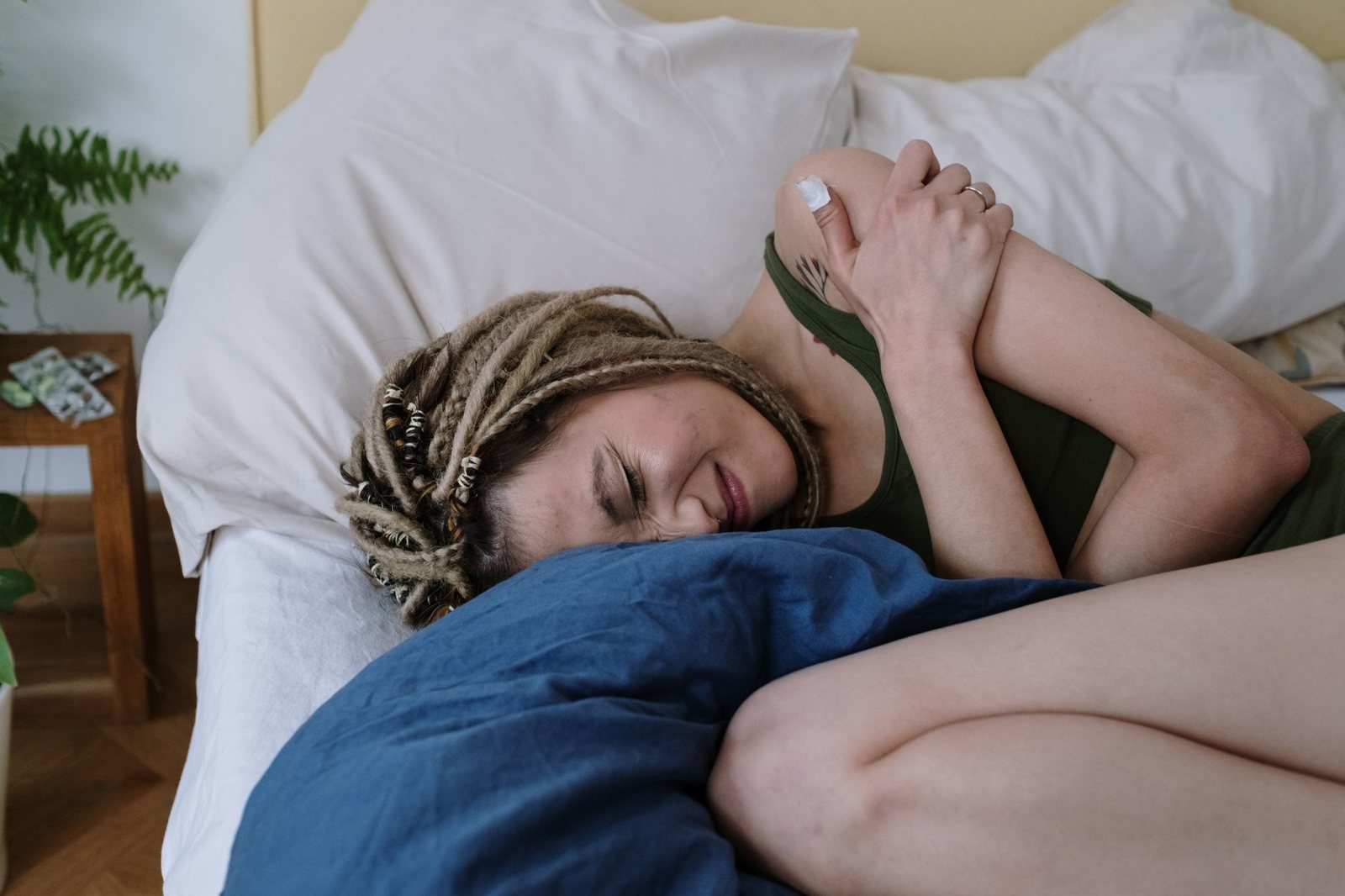
Energy is not flat across the month. For many women, the days just before a period bring lower energy, poorer sleep, and a heavier afternoon dip. If your crash clusters in the same week each cycle, that is a pattern worth writing down, not a personal failing. It gives a clinician something concrete to look at instead of a vague complaint.
Cycle timing also changes how other symptoms read. A crash that lines up with heavy bleeding is a different story than one that lines up with poor sleep. Noticing the timing does not tell you what is wrong. It tells you and your provider where to look first.

The iron history nobody asked about
If you have had heavy periods, a pregnancy, or a stretch of poor eating, your iron stores may have been low for a long time without anyone checking. Fatigue is one of the most common signs, and it often shows up as a predictable afternoon crash rather than a dramatic collapse. Many women are told their blood count is fine and sent home, without anyone asking about ferritin or their bleeding history.
That history is worth gathering. When did your periods get heavier? How many days are they? Have you been told you look pale, or felt breathless on stairs? These are not diagnoses. They are details that make a short appointment more useful, and they are the kind of thing that gets lost when the conversation stays at stress and hormones.

What to note before your next appointment
For two weeks, write down when the crash hits, what you ate, how you slept, and where you are in your cycle. Note whether you feel cold, breathless, or dizzy, and whether your periods are heavy enough to change protection every couple of hours. Bring the notes with you. A pattern on paper is harder to wave off than a feeling described from memory.
If you have chest pain, fainting, breathlessness at rest, or bleeding so heavy you are soaking through protection hourly, call a provider promptly rather than waiting for a routine visit. For everything else, the goal is not to self-diagnose. It is to arrive with a record, so the conversation starts from evidence instead of from scratch.
What helps
- Keep a two-week log of crash time, meals, sleep, and cycle day so the pattern is visible.
- Note how many days your period lasts and how often you change protection, so heavy bleeding is documented rather than estimated.
- Ask whether your iron stores, not just your blood count, have ever been checked.
- Eat lunch with protein and fiber rather than mostly refined carbs, and see whether the afternoon dip shifts.
- Protect a consistent wake time for two weeks and note whether the crash softens or stays the same.
This page includes affiliate links. As an Amazon Associate, WOMO earns from qualifying purchases, at no extra cost to you.
Mae’s picks
- paper symptom journal — for logging crash time, meals, sleep, and cycle day
- ferritin and iron panel test — to bring actual iron store numbers to your visit
- cycle tracking app or planner — to line up energy dips with cycle days
Start with the free 10-minute health assessment
Take the free 10-minute health assessment in WOMO, then spend 7 days with Mae, your health companion. Log your sleep, mood, cycle and symptoms, and Mae reads them together so you can see your patterns and bring them to your next appointment.
Take the free assessment