
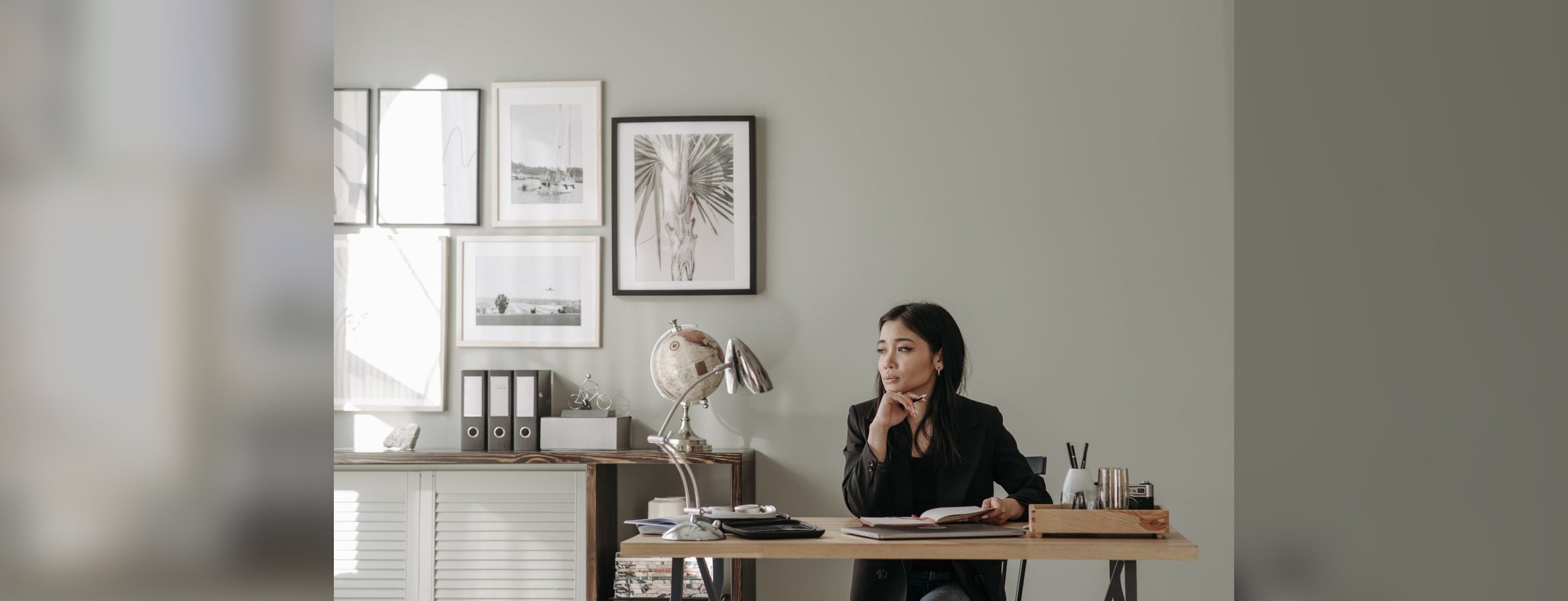
Loneliness Is a Health Issue, Not a Weakness
Why does no one take my symptoms seriously?
You have probably heard it: it's stress, it's hormones, it's just getting older. You leave with no record of what was said, no plan, and a quiet sense that you are the problem. That pattern is common, and it is not evidence that your symptoms are imaginary. Perimenopause involves real shifts in sleep, temperature regulation, mood, and energy, and those shifts deserve to be documented and discussed.
What often goes unmentioned is that the same years bring changes in connection. Friends move, parents need care, work intensifies, and the casual daily contact that used to hold you up thins out. Research on loneliness and health consistently finds that feeling disconnected is linked to poorer sleep, higher stress load, and worse cardiovascular and mental health outcomes. It is a health issue, not a personality flaw.

What does connection actually do for a woman's body?
Connection is not a soft extra. Studies link strong social ties to lower levels of inflammatory markers and better blood pressure regulation, while chronic loneliness is associated with elevated cortisol and disrupted sleep. Around 3am, most people are in a lighter sleep stage, and that is exactly when a racing mind and a sense of isolation tend to feel loudest. The body reads prolonged disconnection as a low-grade stressor.
For women in perimenopause, this matters because the same systems are already under load. Hot flashes fragment sleep, mood shifts narrow patience, and fatigue makes reaching out feel like one more task. The research does not say connection cures anything. It says connection is a meaningful input to how you feel, and it is one you can influence in small ways without overhauling your life.

How do I rebuild connection when I am exhausted?
Start smaller than feels impressive. A two-line text to one person you already trust, sent at a fixed time each week, counts. So does saying yes to one low-effort invitation a month, or sitting in a cafe for twenty minutes without your phone. The goal is not a busy social calendar. It is a few reliable points of contact that do not require you to perform or explain yourself.
Name what you need plainly. "I am having a rough stretch and I do not need advice, just company" is a complete sentence. If a friend asks how you are, try one honest sentence instead of "fine." Research on social support suggests that perceived support, the sense that someone would show up, matters more than the number of contacts. You are building that sense, one small exchange at a time.

When should I call a provider?
If low mood, loss of interest, or persistent hopelessness lasts more than two weeks, or if you have thoughts of harming yourself, call a provider or a crisis line today. Those are not signs of weakness and they are not something to wait out. The same goes for chest pain, sudden shortness of breath, or symptoms that are severe or worsening. Loneliness can hurt, but serious symptoms need real assessment.
For the everyday pattern of being waved off, bring a written list of symptoms with dates and ask for it to be recorded in your file. You can request that your concerns be noted even if the conclusion is watchful waiting. Tracking sleep, cycles, and mood between visits gives you something concrete to point to. A record changes the conversation, and you are allowed to ask for one.
What helps
- Pick one person and send a short, specific message this week, such as asking how their Tuesday went.
- Put one recurring low-effort contact on the calendar, like a monthly walk or a standing phone call.
- Try one twenty-minute outing without your phone, even if it is just a bench or a cafe.
- Write down your symptoms with dates before your next appointment and ask for them to be recorded.
- Tell one trusted person what kind of support you want, whether that is company, distraction, or practical help.
This page includes affiliate links. As an Amazon Associate, WOMO earns from qualifying purchases, at no extra cost to you.
Mae’s picks
- magnesium glycinate supplement — A common sleep and relaxation support some women ask about
- cooling pillowcase — For night heat that fragments sleep and mood
- paper symptom journal — A simple place to track patterns between appointments
Start with the free 10-minute health assessment
Take the free 10-minute health assessment in WOMO, then spend 7 days with Mae, your health companion. Log your sleep, mood, cycle and symptoms, and Mae reads them together so you can see your patterns and bring them to your next appointment.
Take the free assessment