

Why Low Sex Drive Often Starts with an Overlooked Hormone Imbalance
For the woman who once felt connected to her desire and now wonders where it went, the answer may not be in her head alone. A quiet shift in hormones—cortisol, thyroid, estrogen, or progesterone—can dim the spark long before she notices. Understanding this link can open a path back to balance.
The Hormones That Quietly Influence Desire
Estrogen and progesterone are often the first suspects when sex drive dips, and for good reason. Estrogen supports vaginal lubrication and blood flow to the pelvic area, while too much progesterone relative to estrogen can blunt arousal. But there's more to the story.
Cortisol, the stress hormone, may be an even bigger player. When cortisol stays elevated for weeks or months, it signals the body to conserve energy—and reproduction becomes a low priority. Testosterone, though often thought of as a male hormone, also plays a key role in women's desire; when it drops, libido often follows.

Why Low Libido Is Easy to Misunderstand
Doctors may dismiss low sex drive as a side effect of busy life, aging, or relationship dissatisfaction. For many women, the narrative becomes 'this is just how it is now.' In reality, a hormone panel that includes free testosterone, SHBG, and thyroid markers can reveal an imbalance that is both common and correctable.
A woman may feel tired, foggy, or emotionally flat without connecting those dots to her sex drive. The body's signals are subtle—dry skin, poor sleep, anxiety, or weight gain—and each can point back to hormones.
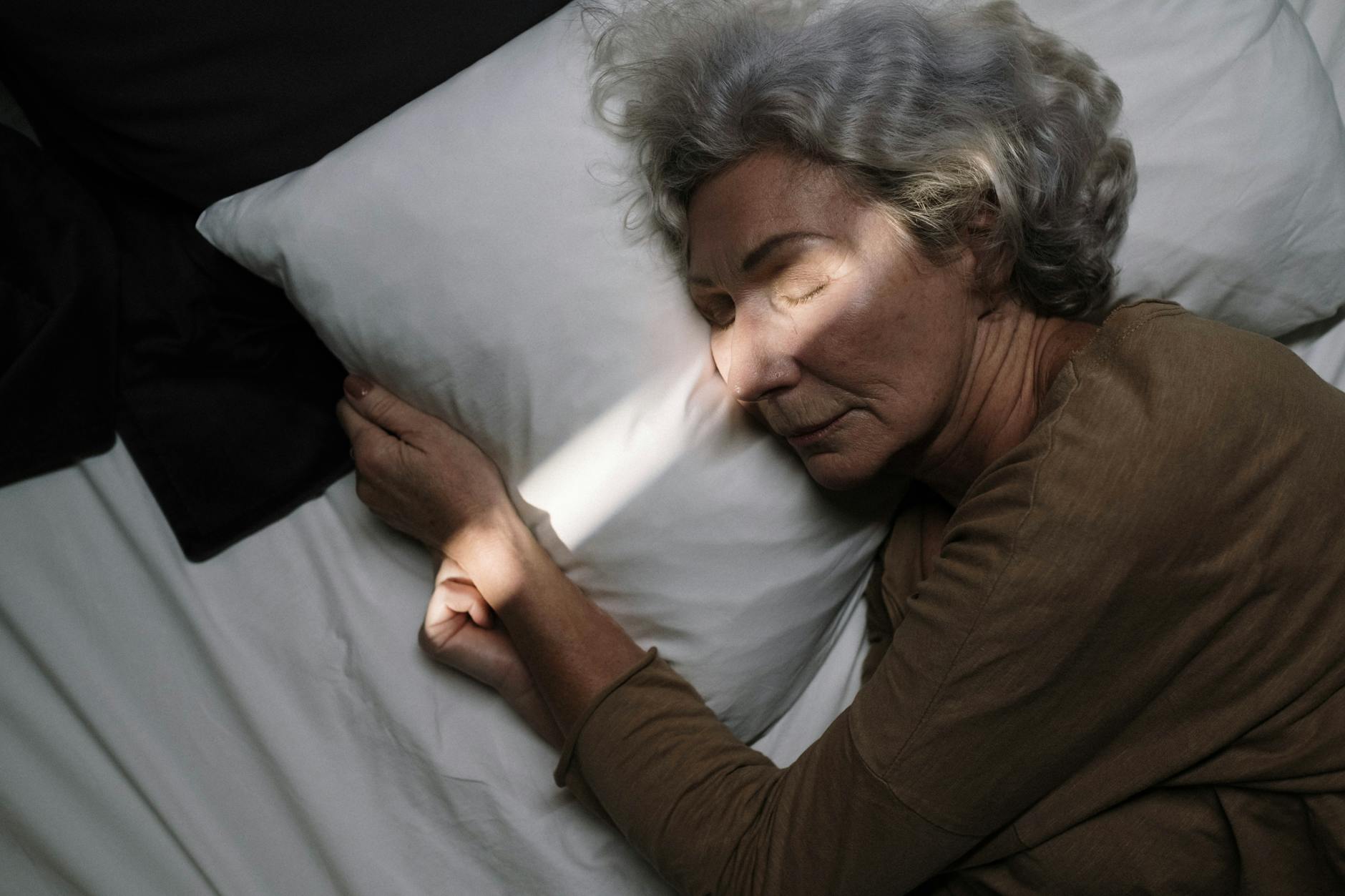
The Hidden Factor: Stress and the Adrenal-Hormone Link
Chronic stress doesn't just raise cortisol; it can also lower progesterone and testosterone. The adrenal glands, which produce small amounts of sex hormones, become overworked. For the woman who is 'doing it all,' her body may be running on fumes, leaving little fuel for desire.
Supporting the adrenals—through rest, balanced nutrition, and gentle movement—may help restore the hormone ratios that allow libido to return naturally.

Thyroid Health and Its Surprising Role in Desire
An underactive thyroid (hypothyroidism) can slow metabolism, cause fatigue, and reduce sex drive. Many women are not aware that even subclinical thyroid issues can affect arousal and satisfaction. A simple TSH test is a good starting point, but a full thyroid panel offers a clearer picture.
When thyroid function is supported with proper nutrients and, if needed, medication, many women notice a return of energy and interest in intimacy.
How to Begin the Conversation
A woman who suspects hormones are behind her low sex drive can start by tracking her symptoms across her cycle and sharing that data with a provider. Bringing a log of fatigue, mood, sleep, and desire to an appointment helps the doctor see the full picture, not just a snapshot.
Functional medicine practitioners and some gynecologists are especially attuned to hormone imbalances. A personalized approach—rather than a one-size-fits-all pill—may yield the best results.
What helps
- Track your cycle and libido patterns for at least two months to share with a provider.
- Prioritize sleep—7 to 9 hours—to help lower cortisol and restore hormone balance.
- Include healthy fats like avocado, nuts, and olive oil to support hormone production.
- Consider gentle movement like walking or yoga rather than high-intensity workouts when energy is low.
WOMO Health is here. The bio-intelligence app that helps you decode your body, track what matters, and finally get answers is available now. Download WOMO and start listening to what your body has been telling you all along.
Get the WOMO App →