
Menopause Symptoms That Start in Your Late 30s: What to Know
While menopause is often associated with the early 50s, the journey can begin much earlier. For a woman in her late 30s, symptoms like irregular periods, mood changes, or sleep disruptions may quietly emerge. This is perimenopause—a natural phase that can last years. Understanding these early signs helps a woman feel informed and empowered, not alarmed. Here, WOMO Health offers a clear, friendly look at what might show up and why.
What Is Perimenopause and When Does It Start?
Perimenopause is the time when a woman's body begins the natural transition toward menopause. It often starts in the mid-40s, but for some women, it can begin in the late 30s. During this phase, ovaries gradually produce less estrogen, and hormone levels fluctuate in unpredictable ways.
This isn't a disease or something to fear—it's a normal biological process. For the woman who notices changes in her cycle or how she feels, knowing that perimenopause can start this early helps her connect the dots. It's a time for paying attention to her body's signals.

Common Symptoms That Can Appear in Your Late 30s
Symptoms of early perimenopause vary widely. A woman might notice her periods becoming shorter, longer, heavier, or lighter—or sometimes skipping a month. These cycle changes are often the first clue.
Other signs can include mood swings, irritability, or increased anxiety, which may be linked to hormone fluctuations. Sleep problems, such as waking up in the middle of the night, are also common. Some women experience brain fog, feeling less sharp or forgetful. Physical symptoms like bloating, breast tenderness, or joint aches may appear too.

What to Do When Symptoms Start: A Supportive Approach
If a woman suspects perimenopause in her late 30s, the first step is checking in with a doctor or women's health provider. They can help rule out other causes and offer guidance tailored to her needs. Blood tests for hormones can be helpful, but they aren't always necessary—symptoms and cycle history often tell the story.
Lifestyle adjustments can make a real difference. Prioritizing sleep, managing stress through gentle movement or mindfulness, and eating a balanced diet with plenty of fiber and healthy fats may support hormone balance. Tracking symptoms in a simple journal or app helps a woman see patterns and feel more in control.
The Emotional Side: It's Normal to Feel Mixed Feelings
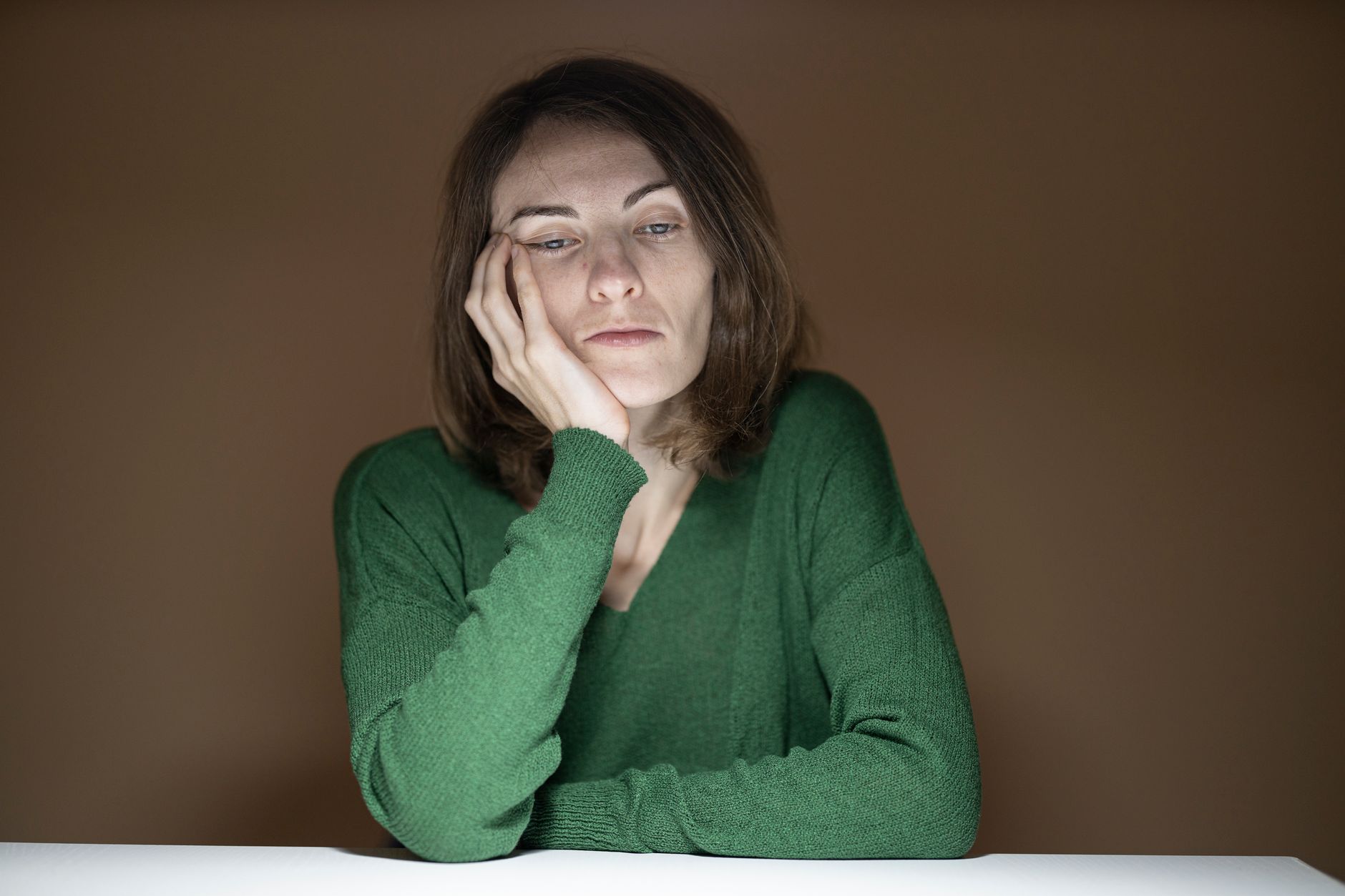
For a woman in her late 30s, facing perimenopause can bring up unexpected emotions. She might feel too young for this, or worry about fertility, aging, or identity. These feelings are completely valid and shared by many women.
The key is to approach this transition with curiosity, not judgment. Connecting with a supportive community or reading about others' experiences can be reassuring. This phase is not a decline—it's a shift that can bring new awareness and self-care.
When to Seek Professional Support
If symptoms interfere with daily life—like severe mood changes, heavy bleeding, or persistent sleep issues—a woman should talk to her provider. There are many options to help, from lifestyle changes to therapies that may ease symptoms. Every woman's journey is unique, and there's no one-size-fits-all approach.
The most important thing is to listen to her body and trust her instincts. Early perimenopause is a chance to tune in, learn, and take proactive steps for her long-term health.
What helps
- Track your cycle and symptoms in a journal or app to spot patterns.
- Prioritize 7–9 hours of quality sleep each night.
- Incorporate gentle exercise like walking or yoga to support mood and energy.
- Eat a balanced diet rich in whole foods, healthy fats, and fiber.
- Talk to a healthcare provider about any concerns—they're your partner in this.
This page includes affiliate links. As an Amazon Associate, WOMO earns from qualifying purchases, at no extra cost to you.
Mae’s picks
- Evening Primrose Oil 1300mg — GLA support for cyclical tenderness
- Magnesium Glycinate — the best-absorbed form for sleep and calm
- Vitex Chasteberry — traditional support for cycle regularity
Start with the free 10-minute health assessment
Take the free 10-minute health assessment in WOMO, then spend 7 days with Mae, your health companion. Log your sleep, mood, cycle and symptoms, and Mae reads them together so you can see your patterns and bring them to your next appointment.
Take the free assessment