
Menstrual Migraine: Why Your Cycle Sets the Timing
Why do my migraines show up right before my period?
In the days before bleeding starts, estrogen drops sharply. That fall is the trigger for menstrual migraine in many women. It usually hits between two days before and three days after your period begins. If your headaches cluster there month after month, that timing is the clue.
You may have been told it is just hormones or stress. But the pattern itself is the diagnosis. A headache that reliably arrives with your cycle is different from a random migraine, and it responds to different strategies.

What does a menstrual migraine feel like compared to other migraines?
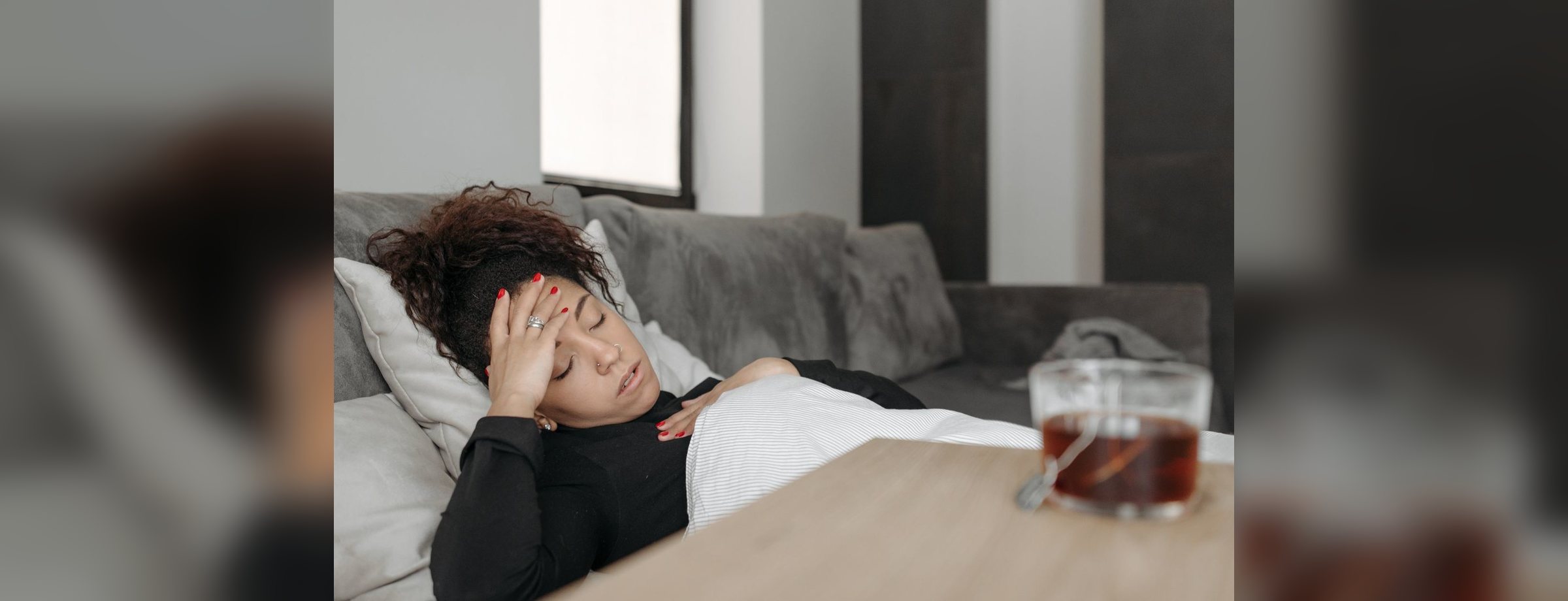
It often starts as a dull ache on one side, then builds into throbbing pain that worsens with movement. Light, sound, and smell may feel unbearable. Nausea is common. Some women get an aura, like flashing lights, but many do not.
The key difference is timing. Menstrual migraines tend to last longer, up to three days, and are more likely to come back the next day. They can also be more resistant to standard pain relief. If you track your cycle alongside your symptoms, the pattern becomes clear.
How can I tell if my migraines are tied to my cycle?
Keep a simple log. Note the first day of your period, then mark every day you have a headache, even a mild one. After two or three cycles, look for a cluster around your period. If you see it, you have your answer.
Also note other symptoms: cramps, bloating, mood changes. They often travel together. Bring this log to your provider. It is evidence, not just a feeling, and it helps you get taken seriously.

What can I do when I feel one coming on?
At the first sign, treat it early. For many women, that means taking medication as soon as the pain starts, not waiting to see if it gets worse. Rest in a dark, quiet room. A cold pack on your forehead or neck can dull the throbbing.
Hydration matters. Drink water steadily through the day, especially before and during your period. Caffeine can help in small amounts, but too much can rebound. If you get frequent migraines, talk to your provider about prevention options.
What helps
- Track your cycle and headaches in a notebook or app for at least two months to see the pattern.
- Keep a cold pack in the freezer and use it at the first sign of pain.
- Drink an extra glass of water each day during the week before your period.
- Dim the lights and reduce screen brightness when you feel an attack starting.
- Ask your provider about a short-term prevention plan if your migraines are predictable.
This page includes affiliate links. As an Amazon Associate, WOMO earns from qualifying purchases, at no extra cost to you.
Mae’s picks
- cooling gel eye mask — soothes eye area during migraine attacks
- migraine tracking journal — helps log cycle and symptoms together
- magnesium glycinate supplement — commonly used for menstrual migraine support
Start with the free 10-minute health assessment
Take the free 10-minute health assessment in WOMO, then spend 7 days with Mae, your health companion. Log your sleep, mood, cycle and symptoms, and Mae reads them together so you can see your patterns and bring them to your next appointment.
Take the free assessment