
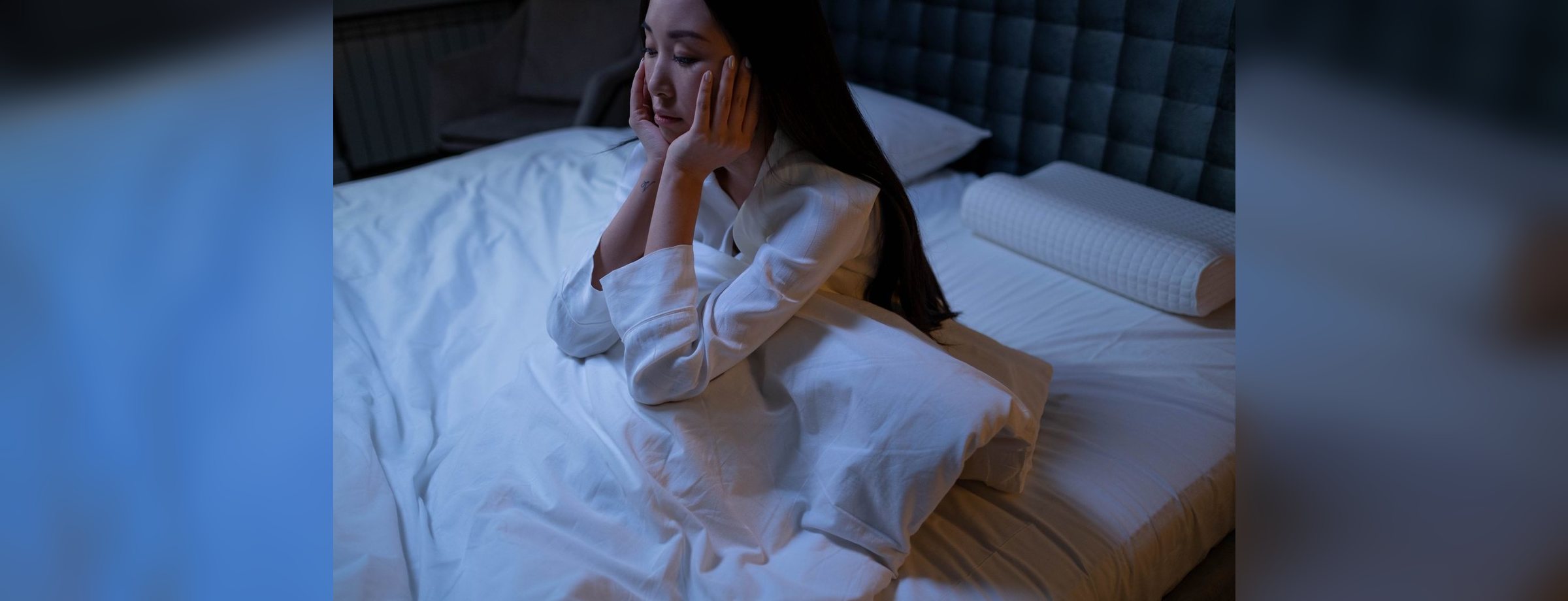
Night Sweats and Hot Flashes Are Not the Same Thing
Why does everything get lumped together as hormones?
You describe waking at 3am drenched, and you get a nod about hormones. You mention a sudden wave of heat at your desk, and you get the same nod. They sound similar, so they get filed together. But a hot flash and a night sweat are different events in your body, with different timing and different triggers.
A hot flash is a sudden dilation of blood vessels near the skin, often during the day, often with a racing feeling and then a chill. A night sweat happens during sleep, usually in the second half of the night, and it can soak through sheets before you are fully awake. Same hormone shift, different mechanism, different levers to pull.
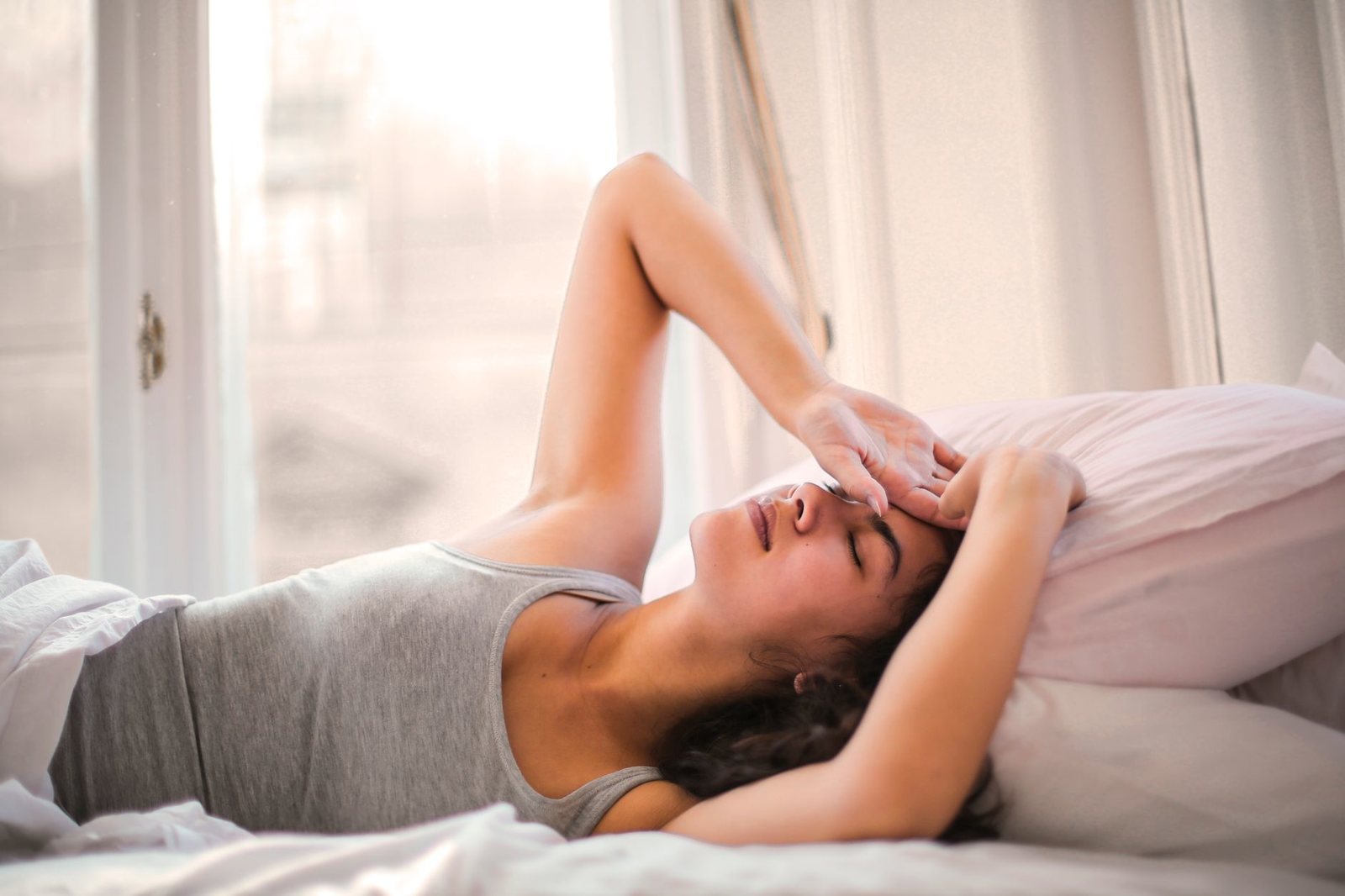
What is actually happening during a hot flash?
Your hypothalamus, the part of your brain that regulates temperature, gets a narrower comfort zone as estrogen fluctuates. A small rise in core temperature that you would normally not notice gets flagged as overheating. Blood vessels near your skin open wide, you flush, your heart speeds up, and then you cool down fast. The whole thing can last one to five minutes.
Triggers tend to be external and immediate: a warm room, spicy food, a hot drink, alcohol, caffeine, or a stressful moment. Because the trigger is often something you can identify, hot flashes respond well to small environmental changes. That is why tracking what happened in the ten minutes before a flash is more useful than tracking the flash itself.
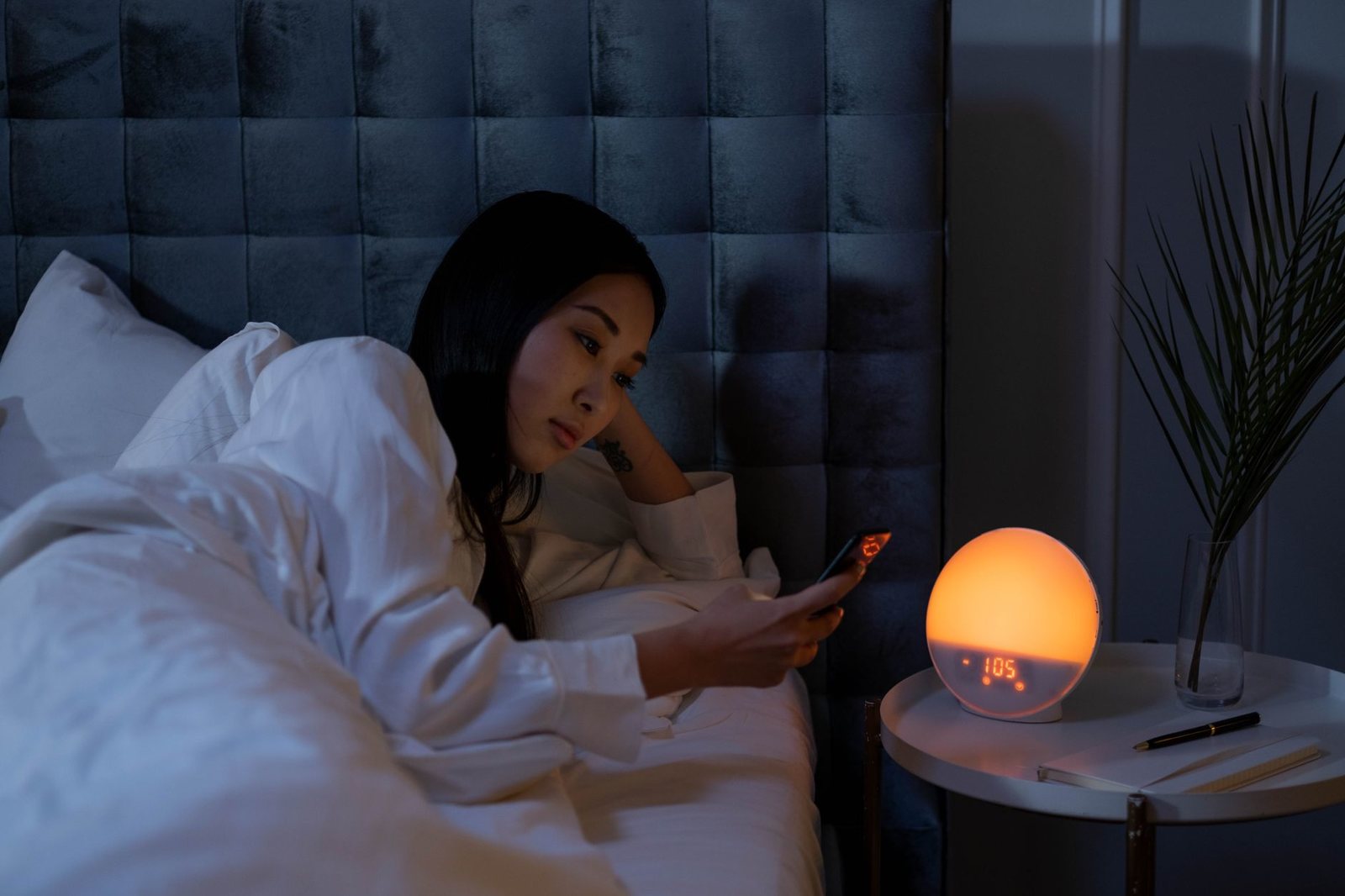
Why do night sweats wake me up soaked?
Night sweats follow a different pattern. They cluster in the later part of sleep, when your core temperature naturally rises and your sleep is lighter. Around 3am, most people are cycling through lighter sleep stages, so a small temperature shift is more likely to wake you. By the time you surface, you are already sweating.
Triggers are often internal and cumulative: a heavier blanket, a warm bedroom, alcohol in the evening, a late meal, or a room that started cool and warmed up. Because you are asleep, you cannot adjust in the moment. That is why night sweats feel more disruptive and why they respond better to changes you make before bed, not during the night.
Why does treating them the same make nothing work?
If you use one strategy for both, you are solving half the problem. A cooling pillow helps a night sweat but does nothing for a 2pm flash. Cutting caffeine helps a hot flash but may not touch a 4am soak. When nothing works, it is easy to conclude that nothing will, or that it is all just stress. That conclusion is wrong, and it is not your fault.
The fix is to separate them. Track hot flashes by what happened right before. Track night sweats by what your sleep environment looked like and what you ate or drank in the evening. Once the patterns are distinct, the changes you make can be specific. That is when things start to shift. If night sweats are accompanied by fever, weight loss, or drenching that soaks through clothes and bedding most nights, call your provider.
What helps
- Keep a two-column note on your phone: one for daytime flashes with the ten minutes before, one for night sweats with your evening meal, alcohol, and bedroom temperature.
- Lower your bedroom to 65 to 68 degrees and switch to a lighter blanket you can push off without waking fully.
- Try a cooling pillowcase or a chill pad on your side of the bed, and keep a spare set of sheets within arm's reach so you can change them without turning on the light.
- Move your last alcoholic drink to at least three hours before bed, and notice whether your 3am wake-ups change over a week.
- For daytime flashes, carry a small handheld fan and a cold water bottle, and step outside or into a cooler room when you feel the first warm flush.
This page includes affiliate links. As an Amazon Associate, WOMO earns from qualifying purchases, at no extra cost to you.
Mae’s picks
- cooling pillowcase — Helps with night sweats by pulling heat from your head and neck
- magnesium glycinate — Often used for sleep support during perimenopause
- handheld fan — Gives you something to do during a daytime hot flash
Start with the free 10-minute health assessment
Take the free 10-minute health assessment in WOMO, then spend 7 days with Mae, your health companion. Log your sleep, mood, cycle and symptoms, and Mae reads them together so you can see your patterns and bring them to your next appointment.
Take the free assessment