
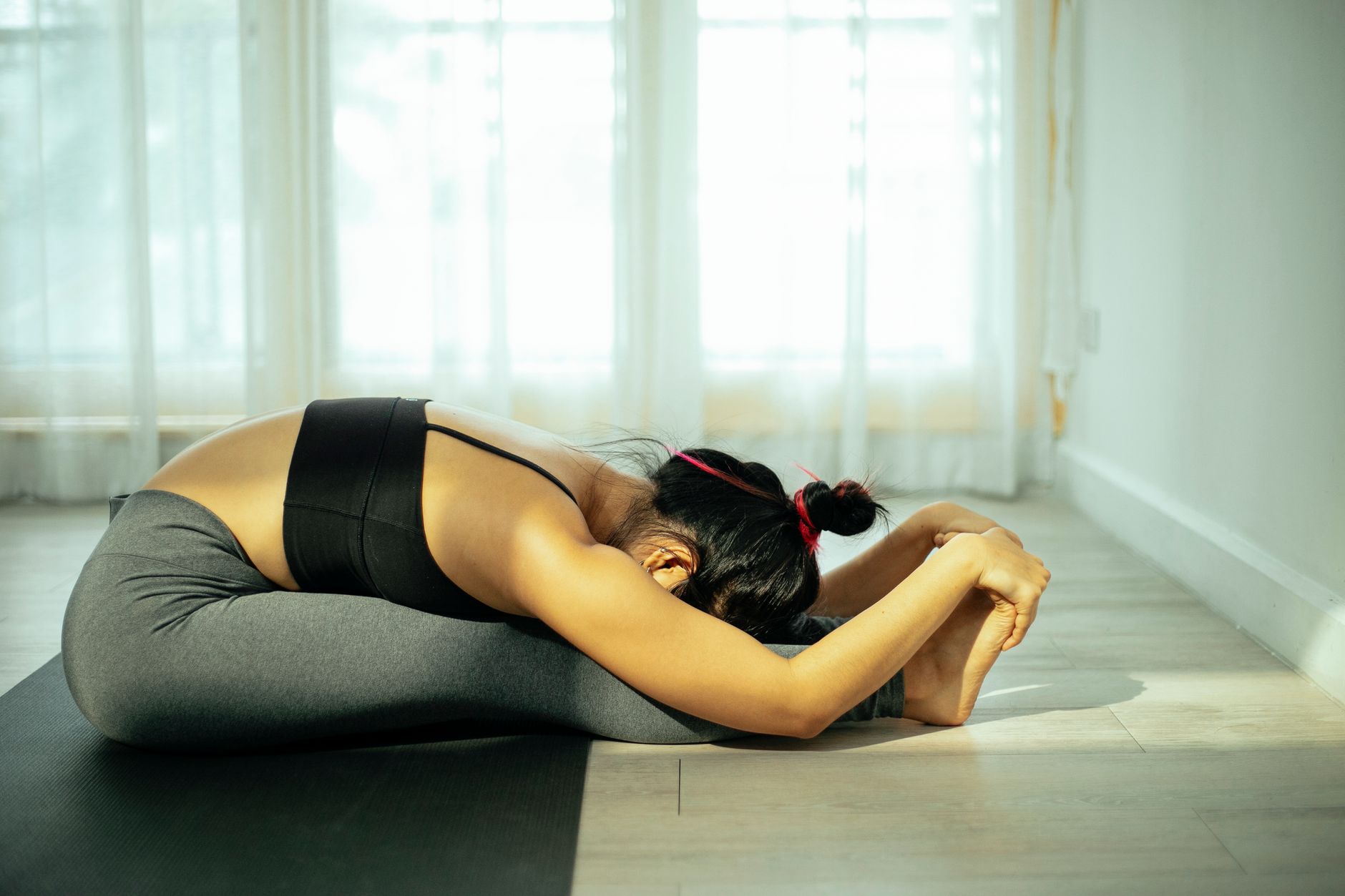
Pelvic Floor Exercises for Better Circulation and Less Inflammation
For the woman who wants to feel lighter, less bloated, and more connected to her body, pelvic floor exercises offer far more than just core strength. Research suggests that the rhythmic contraction and relaxation of these deep muscles may help stimulate blood flow and support the body's natural anti-inflammatory responses. This isn't about clinical drills—it's about reclaiming a sense of ease from the inside out.
How the Pelvic Floor Connects to Circulation
The pelvic floor is a sling of muscles that supports the bladder, uterus, and bowel. When these muscles are tight or underused, they can restrict blood flow in the lower pelvis. Gentle, consistent exercises like Kegels or diaphragmatic breathing help encourage venous return—the process of blood moving back toward the heart.
Better circulation means oxygen and nutrients reach tissues more efficiently, while metabolic waste products are carried away. This may reduce the stagnant feeling many women describe during their menstrual cycle or after long periods of sitting.
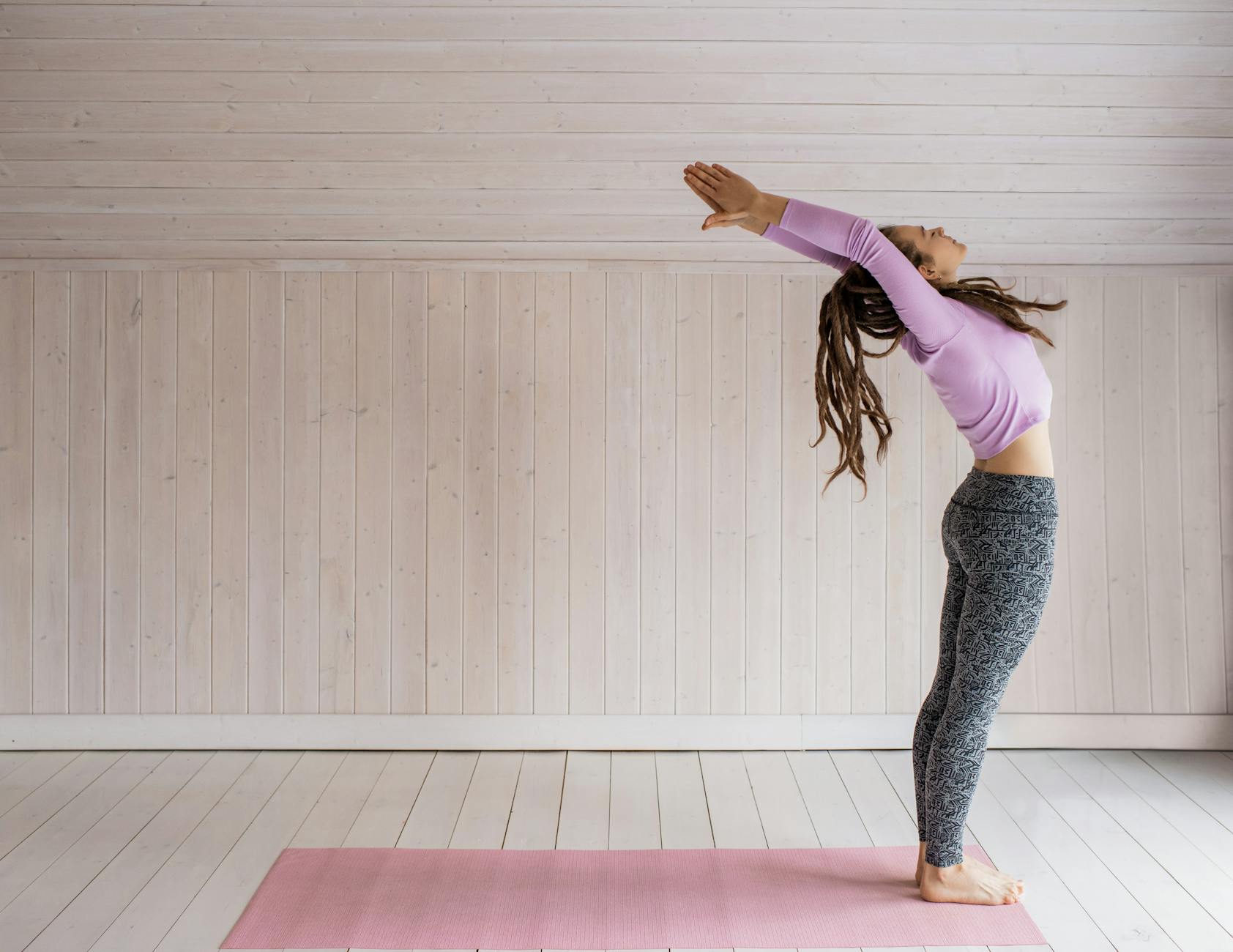
The Inflammation Connection
Chronic inflammation is often linked to poor lymphatic drainage and stagnant blood flow. The pelvic floor acts as a pump for the lymphatic system, which helps clear inflammatory byproducts. By regularly engaging these muscles, a woman may support her body's ability to manage low-grade inflammation.
This is not a cure for inflammatory conditions, but a gentle, supportive practice. Many women report less pelvic heaviness and fewer digestive discomforts when they incorporate simple pelvic floor work into their routine.
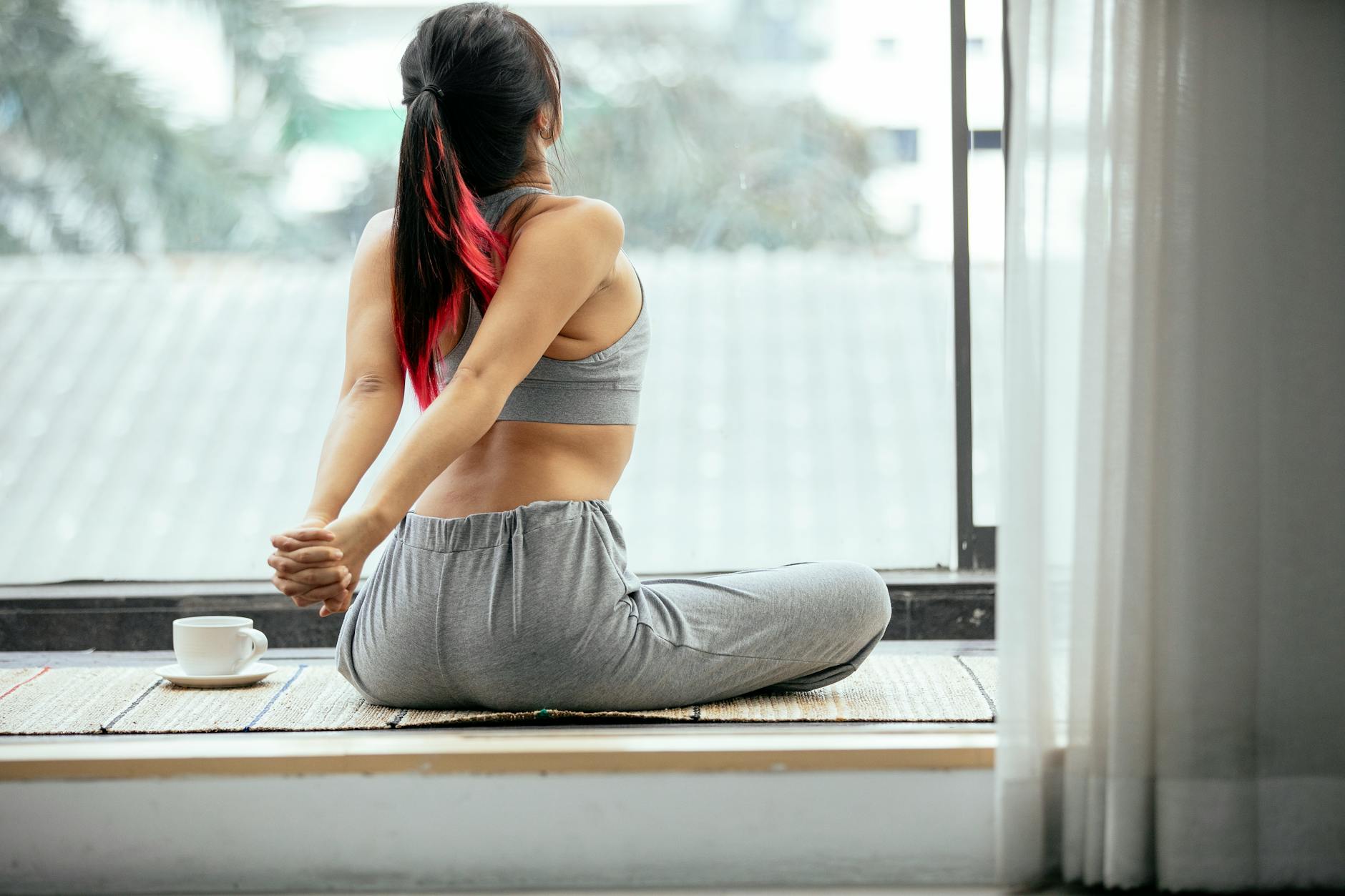
Simple Exercises to Start With
One of the most accessible exercises is the Kegel: a slow, controlled lift of the pelvic floor as if stopping the flow of urine. Hold for a few seconds, then fully release. Another is the 'elevator' exercise, where a woman imagines lifting the pelvic floor floor by floor, then slowly descending.
Diaphragmatic breathing—placing a hand on the belly and breathing deeply into the lower ribs—can also activate the pelvic floor. The key is consistency, not intensity: even five minutes a day may make a difference.
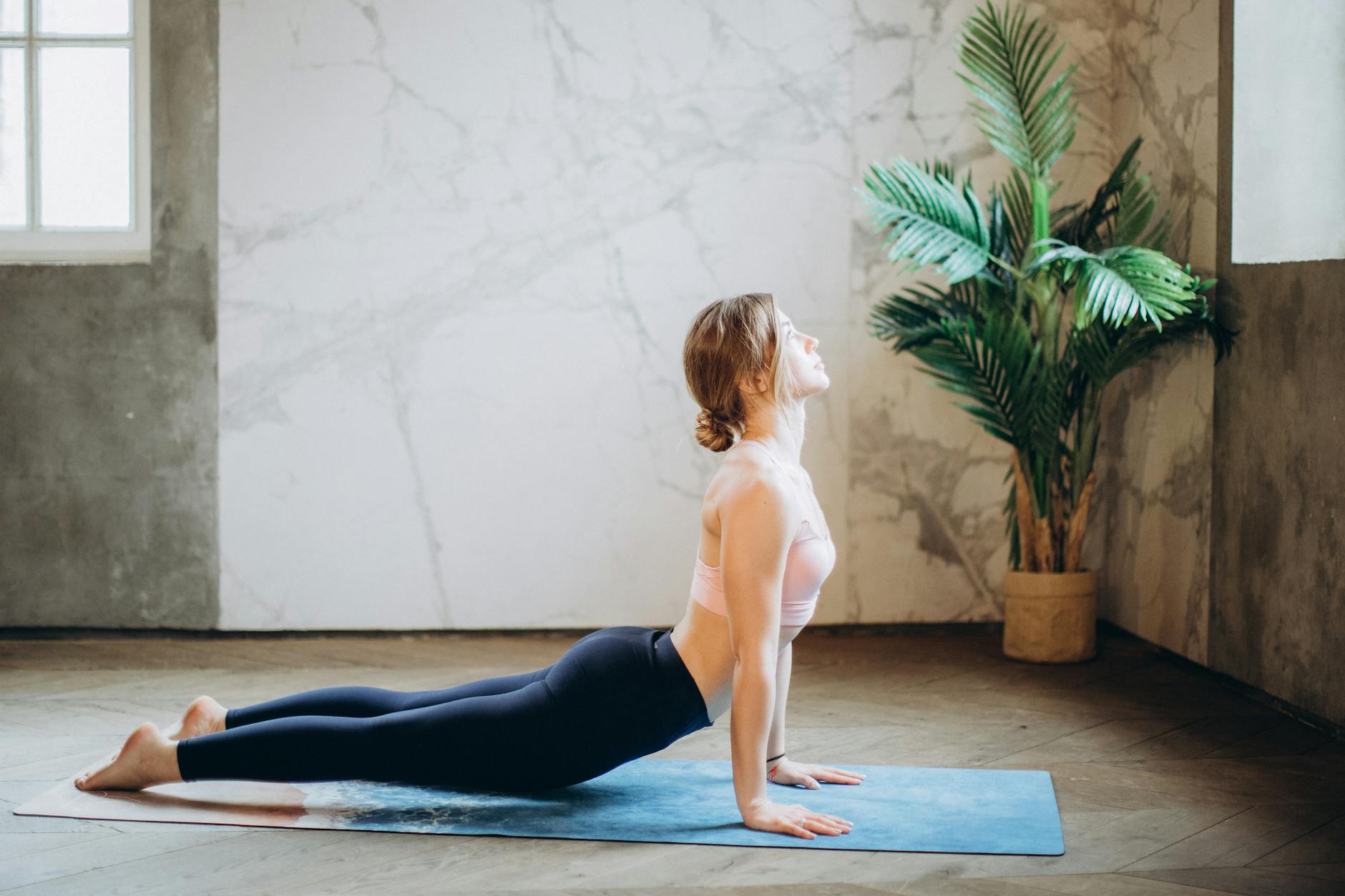
When to Approach with Care
Not every woman should jump into pelvic floor exercises. Those with a history of pelvic pain, endometriosis, or interstitial cystitis may find that certain movements aggravate symptoms. It's always wise to consult a provider—such as a physical therapist who specializes in pelvic health—before beginning a new routine.
A thoughtful, personalized approach honors each woman's unique body. Bio-intelligence means listening to what feels right and adjusting accordingly.
What helps
- Start with gentle Kegel holds: 3-second lift, 3-second release, repeat 5 times.
- Practice diaphragmatic breathing daily: inhale deeply, let the belly rise, exhale fully.
- Take short walking breaks every hour to encourage pelvic circulation.
- Stay hydrated—water supports lymphatic flow and tissue elasticity.
- Avoid prolonged sitting; use a cushion or standing desk if possible.
WOMO Health is here. The bio-intelligence app that helps you decode your body, track what matters, and finally get answers is available now. Download WOMO and start listening to what your body has been telling you all along.
Get the WOMO App →