
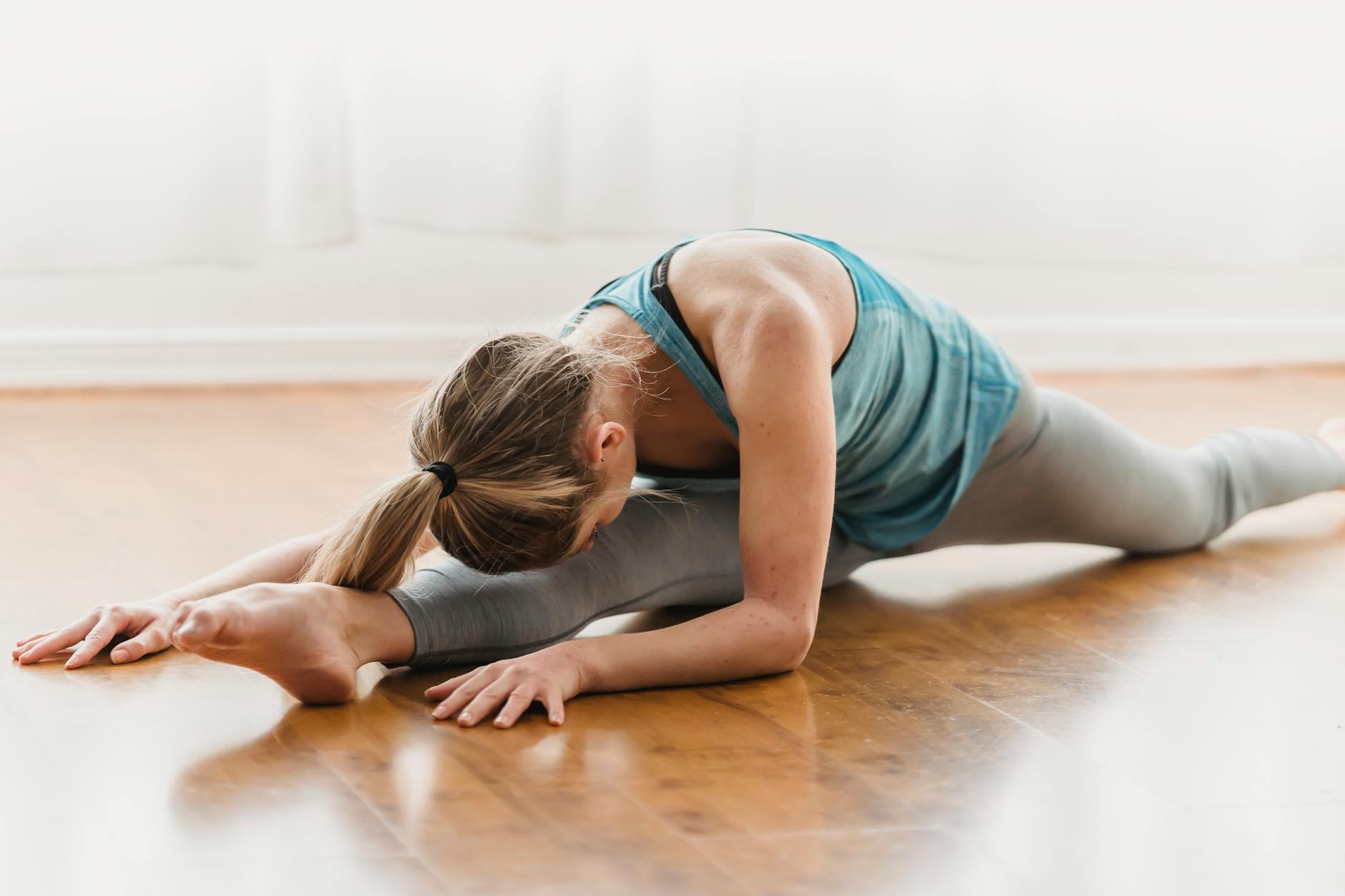
Pelvic Floor Exercises for Better Bladder Control and Core Strength
Pelvic floor exercises, often called Kegels, are a gentle but powerful tool for women at any stage of life. These exercises target the muscles that support the bladder, uterus, and bowel, helping to improve bladder control and build a stronger core. Whether she is navigating postpartum recovery, perimenopause, or just wants to feel more confident during daily activities, learning to engage these muscles can make a real difference. This guide explains what pelvic floor exercises are, how to do them effectively, and why they matter for overall well-being.
What Are Pelvic Floor Muscles and Why Do They Matter?
The pelvic floor is a sling of muscles at the base of the pelvis, supporting the bladder, uterus, and rectum. For many women, these muscles can weaken over time due to pregnancy, childbirth, aging, or chronic straining. When they weaken, it can lead to bladder leaks during activities like coughing, sneezing, or exercising—a condition known as stress incontinence. Strengthening these muscles helps her regain control and prevent leaks naturally.
Beyond bladder control, the pelvic floor works closely with the core muscles, including the deep abdominals and lower back. A strong pelvic floor contributes to better posture, stability, and even sexual health. It is not just about avoiding leaks; it is about feeling strong and connected to her body.
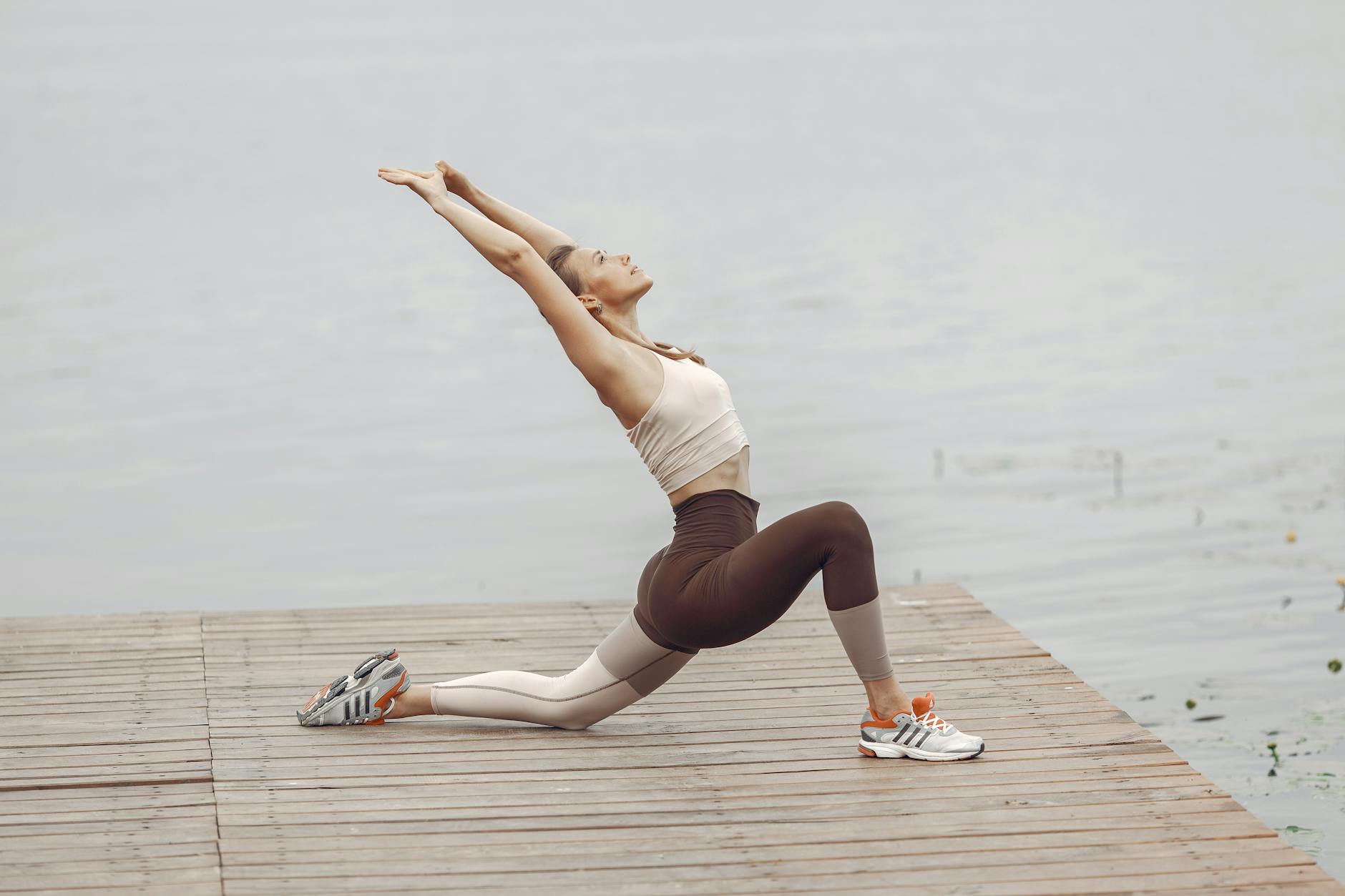
How to Find and Engage the Pelvic Floor Muscles
Before starting any exercise, it is important to locate the right muscles. One simple way is to imagine stopping the flow of urine mid-stream or tightening the muscles that prevent passing gas. The feeling is a gentle squeeze and lift in the pelvic area. It is essential to avoid holding the breath or tensing the thighs, buttocks, or abdomen.
Another method is to lie down, bend the knees, and place the feet flat on the floor. She can then imagine drawing the pelvic floor muscles upward and inward, like a gentle elevator lifting. The movement should feel subtle, not forceful. If she is unsure, a pelvic floor physical therapist can offer guidance, but many women can start safely at home with these cues.
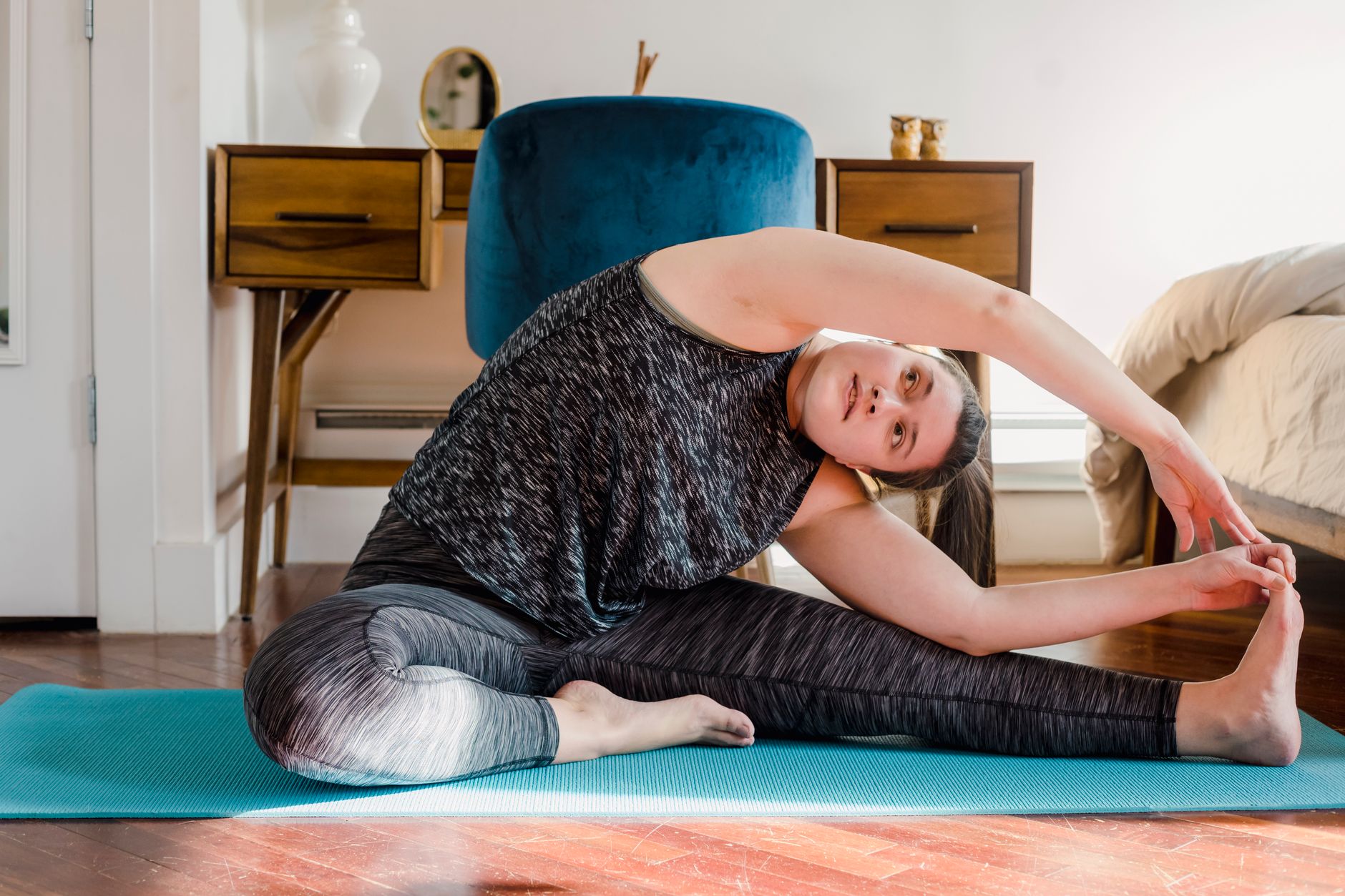
Simple Pelvic Floor Exercises to Try at Home
Begin with slow, controlled squeezes. She can start by lying down, then progress to sitting and standing as the muscles get stronger. A good routine might involve holding a gentle squeeze for three to five seconds, then fully relaxing for the same amount of time. Repeating this ten times, two to three times a day, can be a solid start.
Another variation is the quick flick—a rapid squeeze and release, repeated ten times. This helps the muscles react quickly during moments of pressure, like a sneeze. Consistency is more important than intensity. She can do these exercises anywhere, anytime, as long as she is breathing naturally and not straining.

Building Core Strength Alongside the Pelvic Floor
The pelvic floor does not work alone. It works in harmony with the deep core muscles, especially the transverse abdominis. When she engages her pelvic floor, it can help activate the deep core, creating a stable foundation for movement. Simple exercises like gentle bridges, bird-dog poses, or modified planks can support both areas.
A key tip is to avoid holding the breath or bearing down during core exercises. Instead, she should exhale as she lifts or tightens, keeping the pelvic floor engaged. This coordinated approach helps protect the pelvic floor while building core strength, reducing the risk of injury or pressure on the bladder.
When to Seek Extra Support
While many women can benefit from basic pelvic floor exercises, some may need personalized guidance. If she experiences persistent pain, heavy leaking, or a feeling of pelvic pressure, a visit to a healthcare provider or pelvic floor physical therapist can help. They can assess her unique needs and create a tailored plan.
It is also important to remember that these exercises are not a quick fix. Progress often takes weeks or months of consistent practice. She should be patient and kind to herself, celebrating small improvements along the way. Bio-intelligence tools, like the WOMO app, can help her track her routine and stay motivated.
What helps
- Practice pelvic floor exercises consistently, even just a few minutes daily.
- Breathe naturally and avoid holding the breath during any exercise.
- Combine pelvic floor work with gentle core moves like bridges or bird-dog.
- Stay hydrated and maintain a balanced diet to support bladder health.
- Be patient and listen to her body—progress takes time.
WOMO Health is here. The bio-intelligence app that helps you decode your body, track what matters, and finally get answers is available now. Download WOMO and start listening to what your body has been telling you all along.
Get the WOMO App →