Pelvic Floor Exercises for Postpartum Recovery at Home
The pelvic floor is a group of muscles that supports the bladder, uterus, and bowel, and it often feels different after pregnancy and delivery. For many women, postpartum recovery includes reconnecting with this area through simple, consistent exercises done in the comfort of home. This guide offers a warm, practical approach to pelvic floor exercises that may support healing and restore comfort.
Understanding the Pelvic Floor After Birth
Pregnancy and childbirth naturally stretch and weaken the pelvic floor muscles. Whether a woman gave birth vaginally or by cesarean, these muscles can feel less responsive or even sensitive. This is a normal part of the postpartum journey, and gentle exercise may help them regain tone and function.
The pelvic floor acts like a hammock, lifting and closing the pelvic organs. When it is weak, women may notice leakage during a cough or sneeze, a feeling of heaviness, or difficulty controlling gas. These signs are common, and they often improve with targeted movement.
Getting Ready: Comfort and Breath
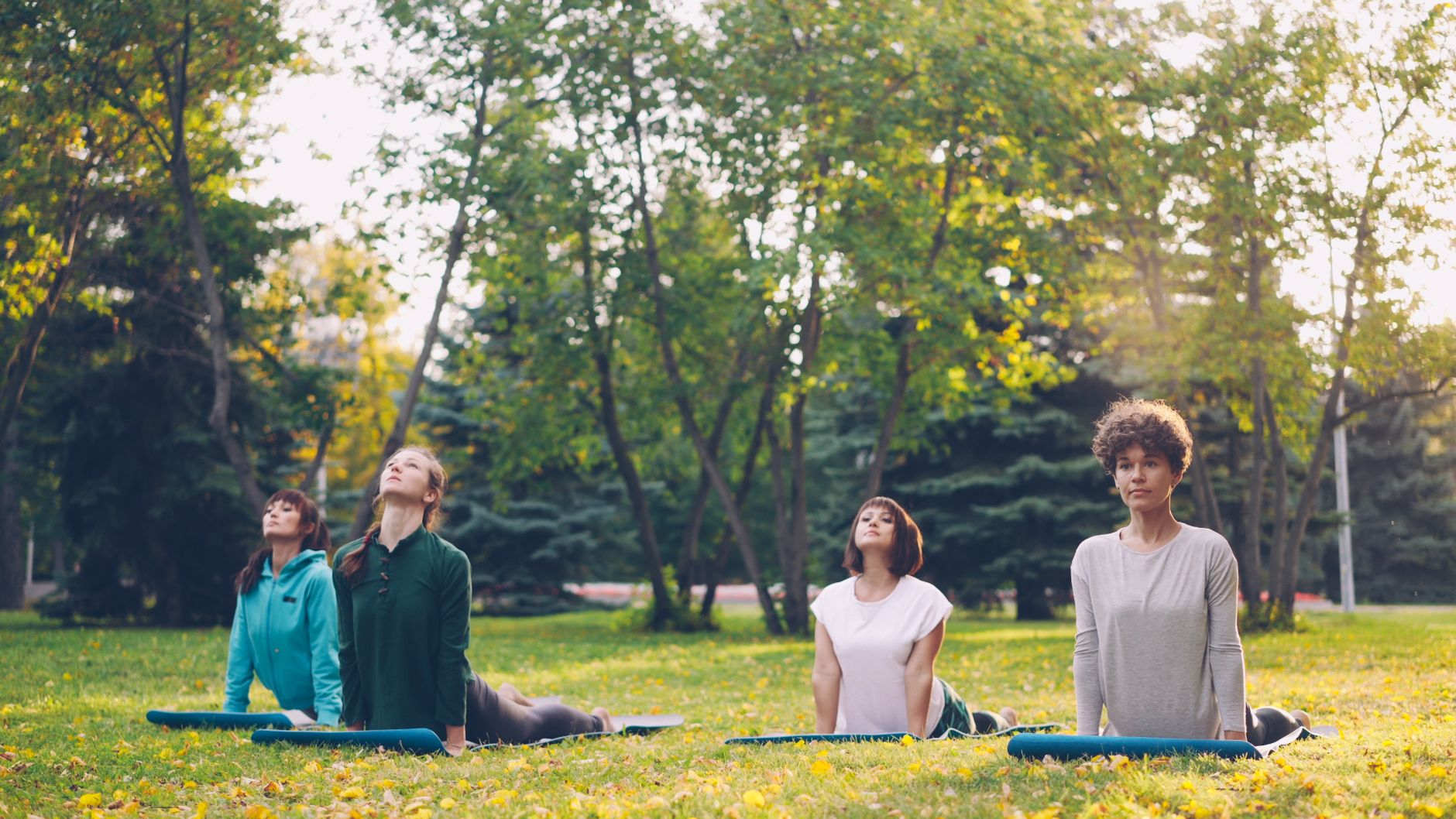
Before starting any exercises, find a quiet, comfortable spot where the body can relax. Lying on the back with knees bent and feet flat on the floor is a good starting position. Place a pillow under the head or knees if that feels better.
Begin with a few deep breaths. Breathe in through the nose, letting the belly rise, and breathe out through the mouth, feeling the ribs soften. This calms the nervous system and prepares the muscles for gentle work. The goal is to move slowly and without strain.
Simple Pelvic Floor Exercises to Try at Home
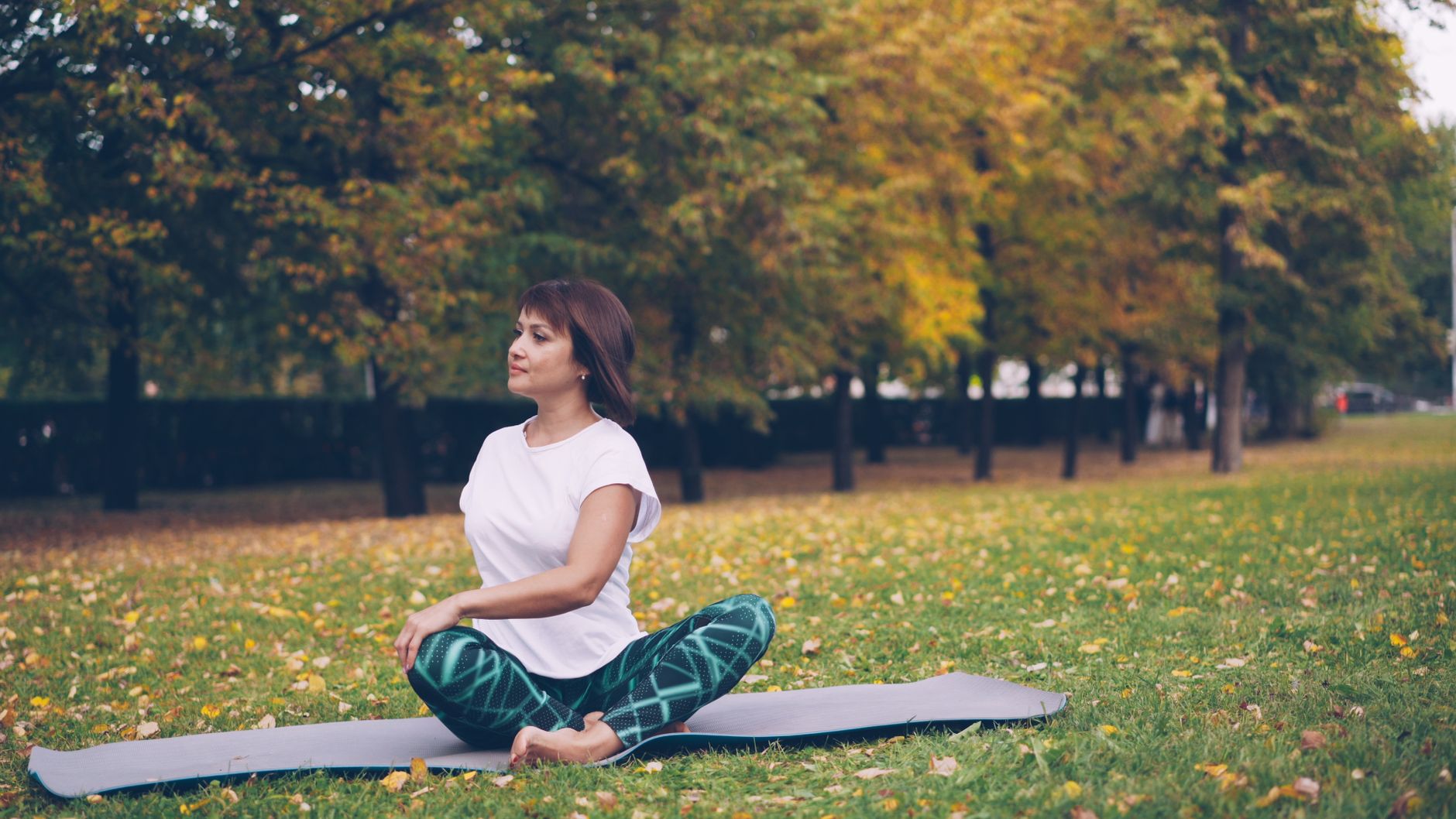
Start with a classic Kegel exercise: on an exhale, gently squeeze and lift the pelvic floor muscles as if trying to stop the flow of urine. Hold for three to five seconds, then fully relax for the same amount of time. Repeat five to ten times, two to three times a day.
Another gentle move is the bridge: lying on the back with knees bent, press the feet into the floor and lift the hips while engaging the pelvic floor. Hold for a breath, then lower. This may strengthen the glutes and core while supporting pelvic floor function.
For a deeper connection, try the happy baby pose: lying on the back, bring the knees toward the chest and hold the outer edges of the feet. Gently rock side to side, breathing deeply. This stretch may release tension in the pelvic area and promote relaxation.
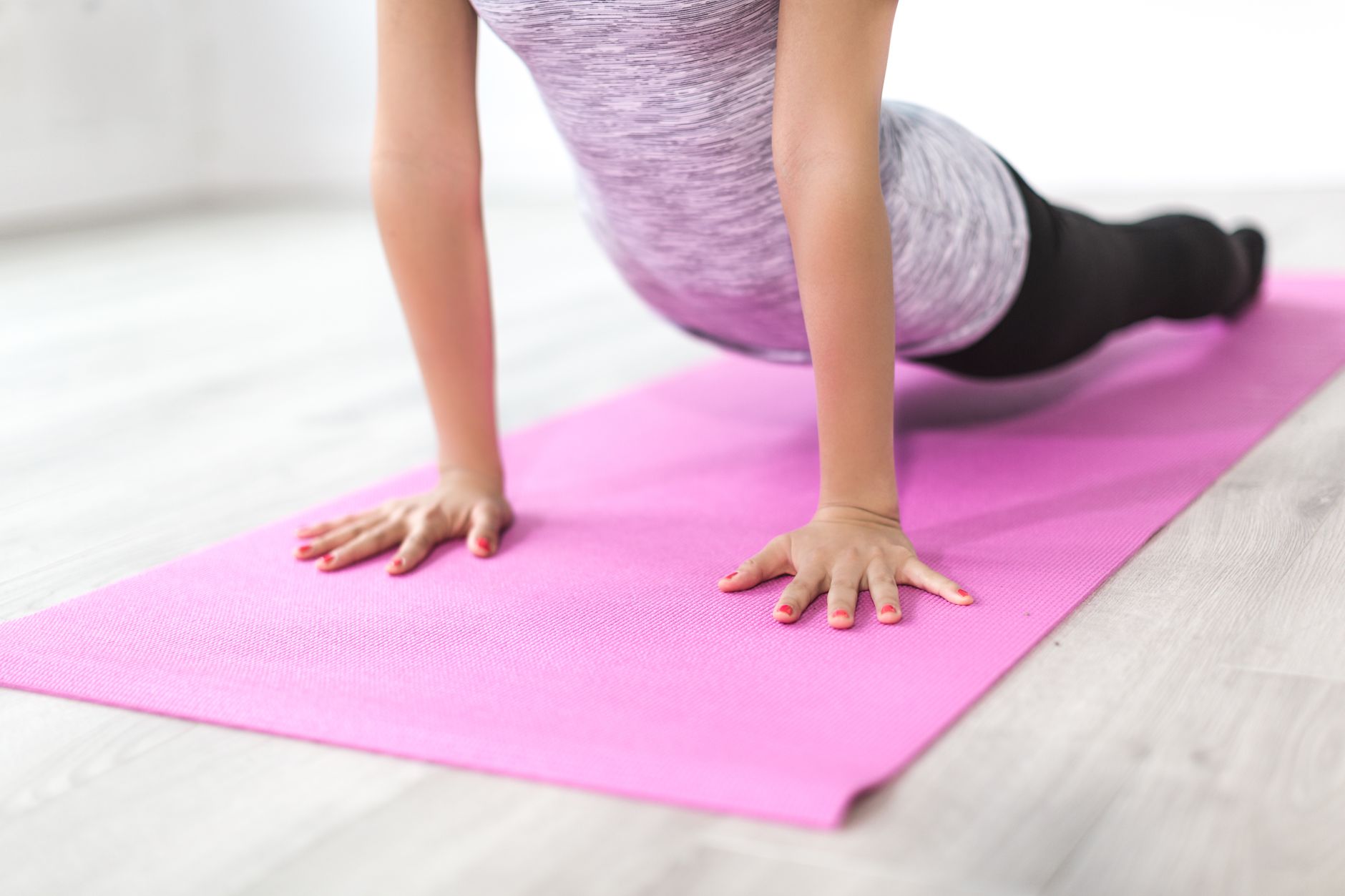
When to Pause and Seek Guidance
Pain during exercise is a signal to stop. If a woman feels sharp or persistent discomfort in the pelvis, lower back, or legs, she should rest and consider speaking with a provider. A pelvic floor physical therapist can offer personalized support.
It is also wise to wait until after the six-week postpartum checkup before starting a new exercise routine, unless a doctor says otherwise. Every recovery is unique, and patience with the process is key.
What helps
- Set a daily reminder to practice three to five minutes of gentle Kegels or bridges.
- Use a mirror to check for correct form—look for a gentle lift, not a full-body crunch.
- Combine exercises with deep belly breaths to avoid holding tension in the jaw or shoulders.
- Stay hydrated and eat fiber-rich foods to support bowel movements and reduce pressure on the pelvic floor.
- Wear comfortable, supportive underwear that does not pinch or restrict movement.
This page includes affiliate links. As an Amazon Associate, WOMO earns from qualifying purchases, at no extra cost to you.
Mae’s picks
- Iron Bisglycinate — the gentle, well-absorbed iron form
- Magnesium Glycinate — the best-absorbed form for sleep and calm
Start with the free 10-minute health assessment
Take the free 10-minute health assessment in WOMO, then spend 7 days with Mae, your health companion. Log your sleep, mood, cycle and symptoms, and Mae reads them together so you can see your patterns and bring them to your next appointment.
Take the free assessment