

The Pelvic Ache That Shows Up by Afternoon
Why does it always seem to arrive around 3pm?
You sit down at your desk in the morning feeling fine. By early afternoon, there is a heaviness low in your pelvis, a pressure that feels like something is bearing down. You shift in your chair, cross and uncross your legs, and it eases for a few minutes before creeping back. By the time you stand up to leave, it is the first thing you notice.
This timing is not random. Prolonged sitting increases pressure through the pelvic floor and reduces circulation to the muscles and connective tissue in that area. Gravity, a chair that does not support your pelvis well, and hours without a real break all add up. The ache building by afternoon is a pattern, not a personality flaw or a sign you are doing something wrong.

What you have probably been told, and what is actually happening
You may have heard it is stress, hormones, or just part of getting older. You may have been sent home with no record of anything. That experience is common, and it is frustrating. Pelvic pressure is a real symptom with real mechanical contributors, and it deserves to be described and tracked rather than waved away.
What is often happening is a combination of sustained downward pressure on the pelvic floor, muscle fatigue from holding one position, and reduced blood flow to the area. The muscles that support your bladder, uterus, and rectum are working harder than they should during long sitting hours. That does not mean something is seriously wrong, but it does mean the pattern is worth paying attention to.
What to note about when it eases
The most useful thing you can do is notice what makes the pressure better. Does it ease when you stand and walk for five minutes? Does it lift when you lie down with your legs elevated? Does it change after a bowel movement, or after you empty your bladder? Does it feel different on days you wear different shoes or sit in a different chair?
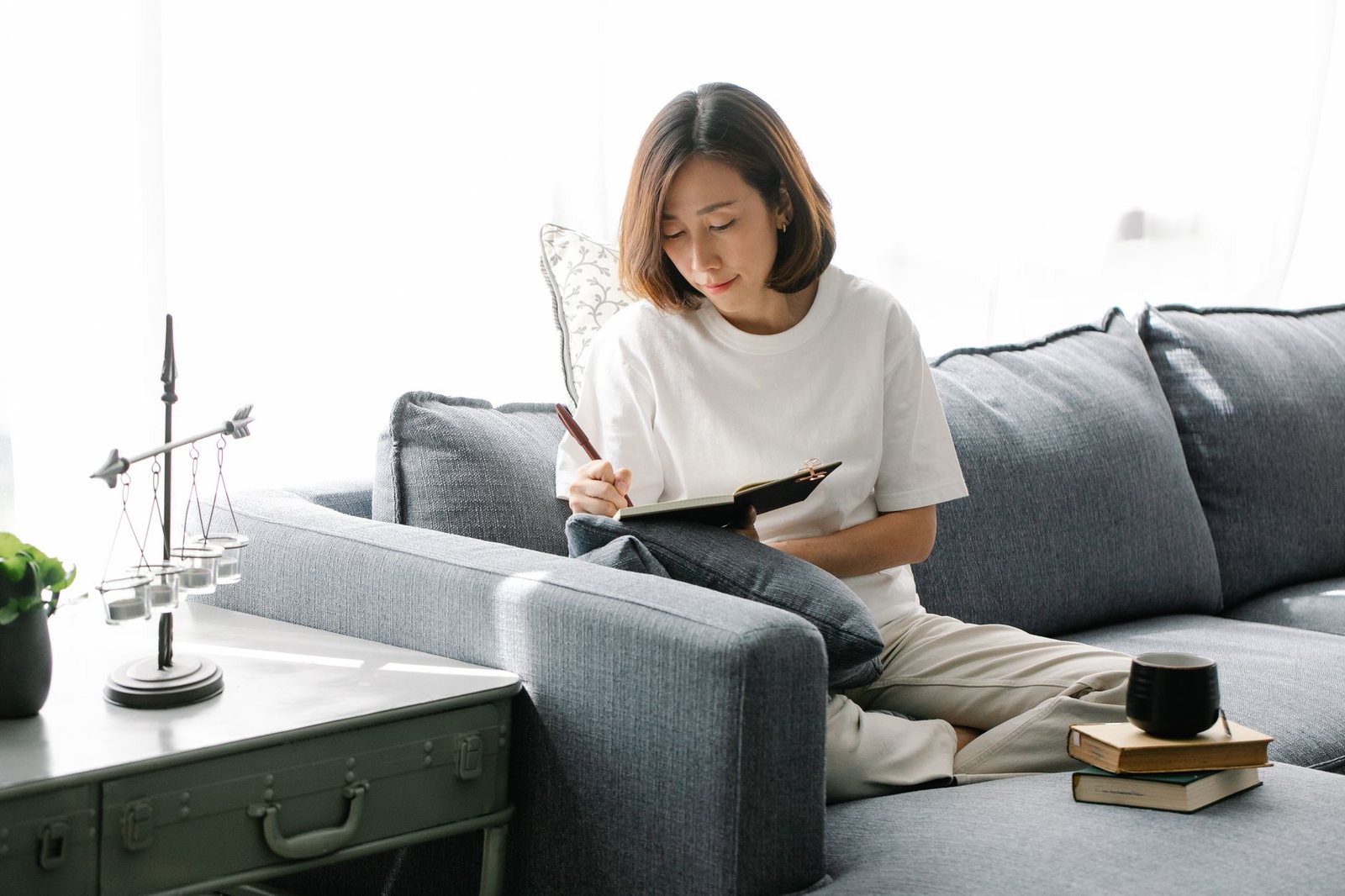
Write these observations down, even in a note on your phone. Note the time it starts, what you were doing in the hour before, and what you did that brought relief. This is not busywork. A clear record of when the pressure builds and when it eases is exactly the kind of information that helps a provider understand what you are experiencing, and it gives you language for a conversation that too often ends with a shrug.

When should you call a provider?
Most afternoon pelvic pressure during desk work is related to posture, muscle fatigue, and prolonged sitting. But some symptoms need a call to your provider rather than a note in your phone. If the pressure comes with pain when you urinate, fever, unusual discharge, bleeding between periods, or a feeling that something is bulging into the vagina, call and describe it plainly.
Also call if the pressure no longer eases when you stand or lie down, if it wakes you at night, or if it is getting worse week by week rather than following the afternoon pattern. You are not overreacting by asking. You are giving a provider specific information to work with, which is different from being sent home with no record of anything.
What helps
- Set a timer to stand and walk for three to five minutes every hour, even if it is just to refill your water bottle.
- Try a firm cushion or a wedge pillow under your hips to tilt your pelvis slightly forward and take pressure off the pelvic floor.
- Keep a simple note on your phone for one week recording when the pressure starts, what you were doing, and what made it ease.
- Put your feet flat on the floor or on a footrest so your knees are level with your hips rather than dangling.
- Before bed, lie on your back with your legs elevated on a pillow for ten minutes and notice whether the pressure lifts.
This page includes affiliate links. As an Amazon Associate, WOMO earns from qualifying purchases, at no extra cost to you.
Mae’s picks
- seat wedge cushion — tilts pelvis forward to reduce downward pressure
- adjustable footrest — keeps knees level with hips during long sitting
- standing desk converter — makes it easier to alternate sitting and standing
Start with the free 10-minute health assessment
Take the free 10-minute health assessment in WOMO, then spend 7 days with Mae, your health companion. Log your sleep, mood, cycle and symptoms, and Mae reads them together so you can see your patterns and bring them to your next appointment.
Take the free assessment