
The Hidden Link Between Perimenopause and Chronic Fatigue
Perimenopause is a natural transition that brings a host of changes, and for some women, chronic fatigue becomes an unwelcome companion. While exhaustion is often chalked up to a busy life or poor sleep, there is a deeper connection between shifting hormones and persistent tiredness that deserves a closer look. This article explores how perimenopause may contribute to chronic fatigue and offers practical ways to support energy during this stage.
What is Perimenopause?
Perimenopause is the years-long transition before menopause, typically starting in a woman’s 40s, but sometimes earlier. During this time, estrogen and progesterone levels fluctuate and gradually decline, leading to a range of symptoms like irregular periods, hot flashes, mood changes, and sleep disturbances.
These hormonal shifts can affect nearly every system in the body, including metabolism, brain function, and energy regulation. For many women, this is when fatigue becomes more pronounced and harder to shake.

How Hormonal Changes May Fuel Fatigue
Estrogen and progesterone play key roles in energy production, sleep quality, and stress response. When these hormones fluctuate, a woman’s body may struggle to maintain steady energy levels. For example, lower progesterone can lead to poorer sleep, while fluctuating estrogen may affect thyroid function and mitochondrial health—both critical for energy.
Additionally, perimenopause can increase sensitivity to stress, as cortisol (the stress hormone) may rise in response to hormonal shifts. Chronic stress, combined with sleep disruptions, can create a cycle of fatigue that feels overwhelming.

The Role of Sleep Disruption
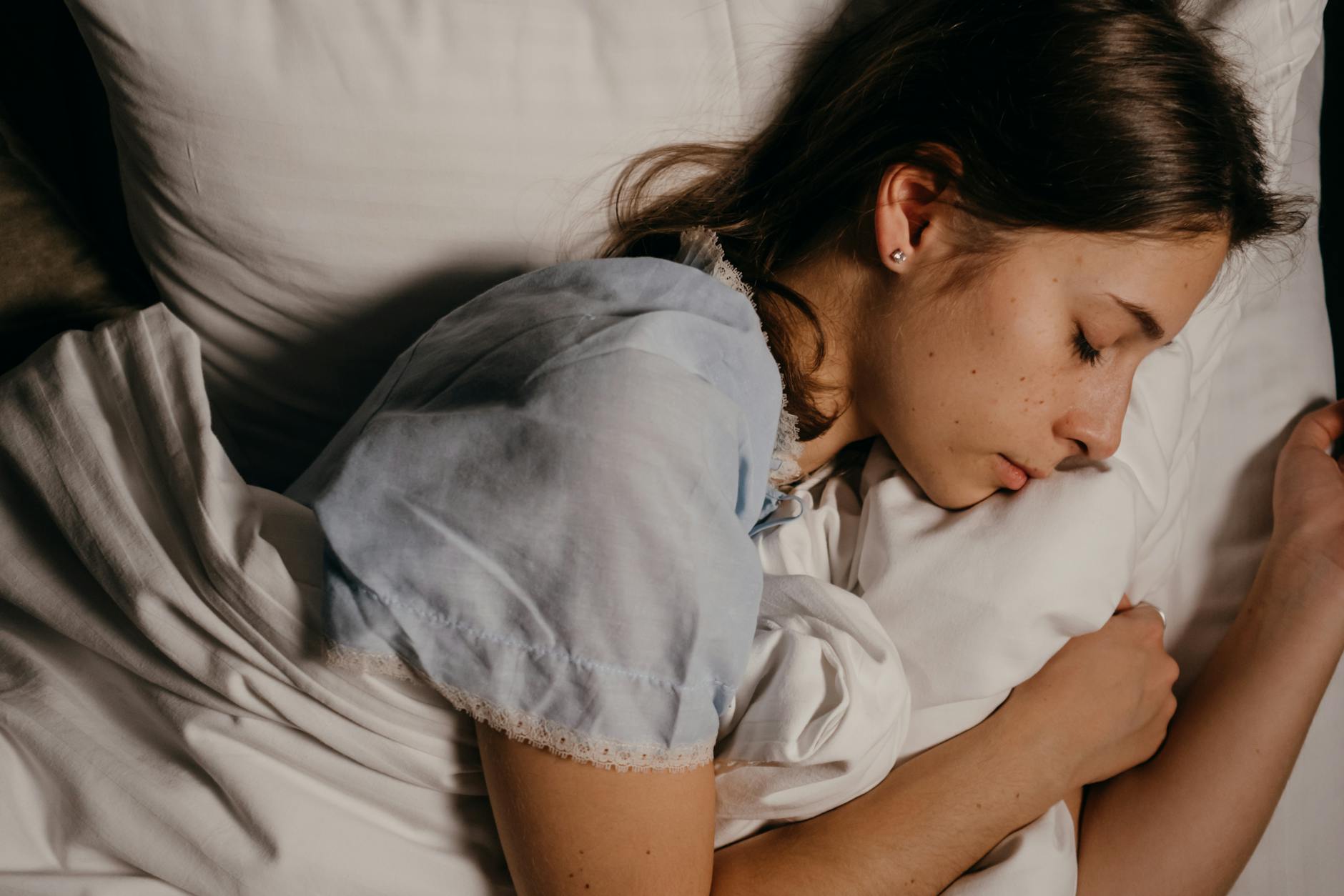
Night sweats, insomnia, and restless sleep are common during perimenopause, and they take a toll on energy. Even if a woman spends enough time in bed, the quality of her sleep may suffer, leaving her exhausted during the day.
This is not just about comfort—sleep is when the body repairs and restores. When sleep is disrupted night after night, it can contribute to a state of chronic fatigue that feels unlike ordinary tiredness.
Other Contributing Factors
Beyond hormones, perimenopause can bring other changes that affect energy. Weight gain, mood swings, and brain fog are common, and these can make daily life feel more draining. Some women also experience changes in thyroid function or iron levels, which may further contribute to fatigue.
It is important to consider the whole picture: stress, lifestyle, and underlying health conditions can all play a role. A thorough conversation with a healthcare provider can help rule out other causes, such as anemia or thyroid disorders.
What helps
- Prioritize sleep hygiene: keep a cool room, avoid screens before bed, and try a consistent wind-down routine.
- Eat blood-sugar-balancing meals with protein, healthy fats, and fiber to support steady energy.
- Incorporate gentle movement like walking or yoga, which can reduce stress and improve sleep.
- Consider magnesium or vitamin B supplements after checking with a provider, as they may support relaxation and energy.
- Track symptoms to identify patterns—this can help a woman and her doctor tailor a plan.
WOMO Health is here. The bio-intelligence app that helps you decode your body, track what matters, and finally get answers is available now. Download WOMO and start listening to what your body has been telling you all along.
Get the WOMO App →This page includes affiliate links. As an Amazon Associate, WOMO earns from qualifying purchases, at no extra cost to you.
Start with the free 10-minute health assessment
Take the free 10-minute health assessment in WOMO, then spend 7 days with Mae, your health companion. Log your sleep, mood, cycle and symptoms, and Mae reads them together so you can see your patterns and bring them to your next appointment.
Take the free assessment