
5 Perimenopause Gut Symptoms Doctors Often Miss
Perimenopause brings a host of changes, and the gut is often the first to sound the alarm. Yet many women find that their digestive symptoms are brushed off or misdiagnosed. Understanding the connection between hormones and digestion can help a woman recognize what’s really happening and find relief.
1. Unexplained Bloating That Won’t Quit
Bloating is one of the most common perimenopause gut symptoms, but it’s often dismissed as just eating something that didn’t agree with her. In reality, fluctuating estrogen and progesterone can slow digestion and cause gas to build up, leading to a distended belly that feels uncomfortable after meals or even in the morning.
This type of bloating may not be related to food at all—it’s a hormonal shift that affects how the gut moves. Many women describe it as feeling full after a small meal, or noticing their clothes fit differently by evening. Tracking when it happens can help her identify the pattern.
2. Sudden Food Sensitivities
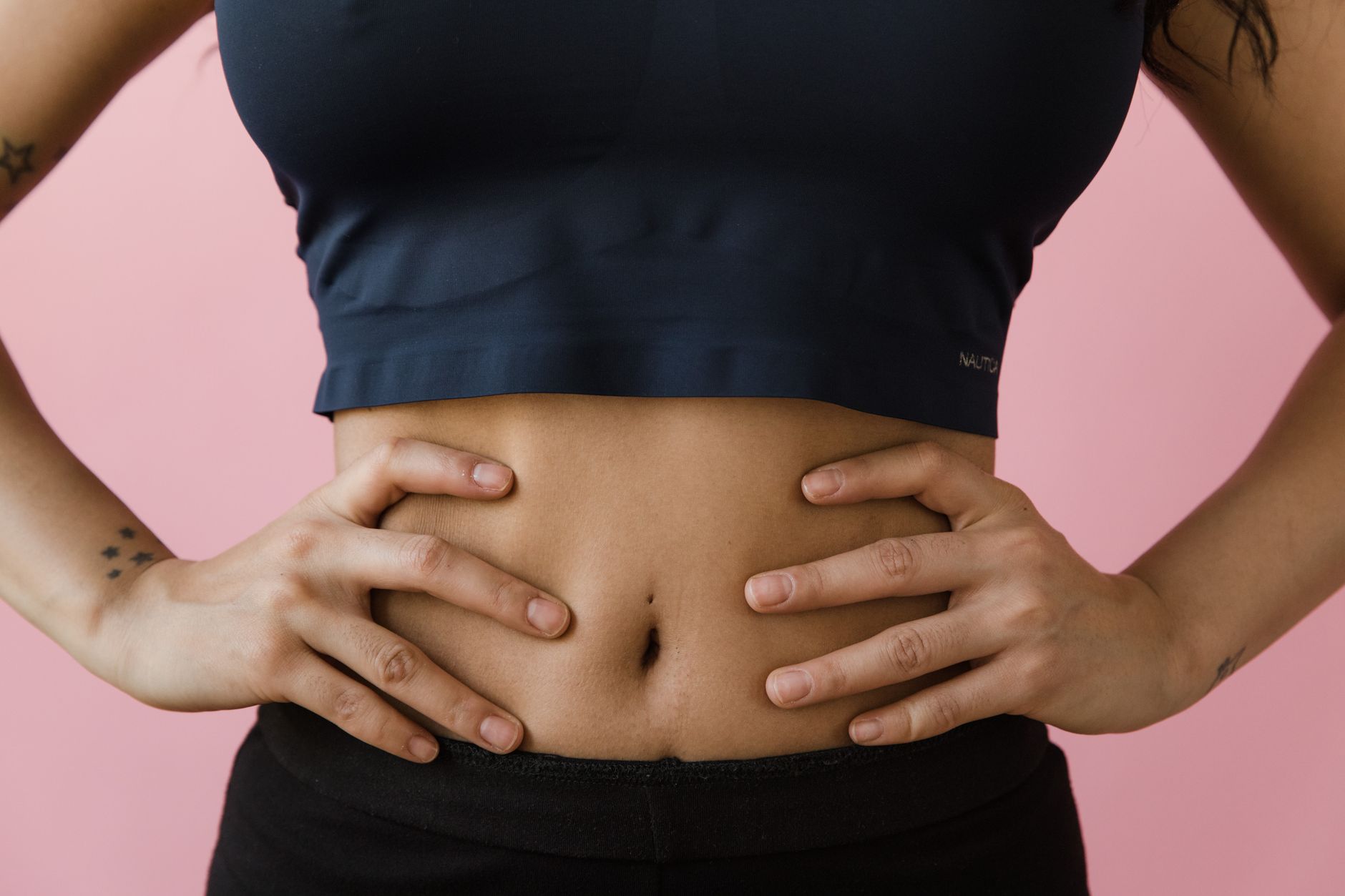
Foods she’s enjoyed for years—like dairy, wheat, or spicy dishes—can suddenly trigger bloating, gas, or stomach upset during perimenopause. This happens because hormones influence the gut lining and the balance of gut bacteria, making it more reactive to certain foods.
A woman may feel like her body is turning against her, but it’s a temporary shift. Avoiding trigger foods for a few weeks and then reintroducing them slowly can help her understand what’s really going on. Working with a provider can also rule out other causes.
3. Constipation That Comes and Goes
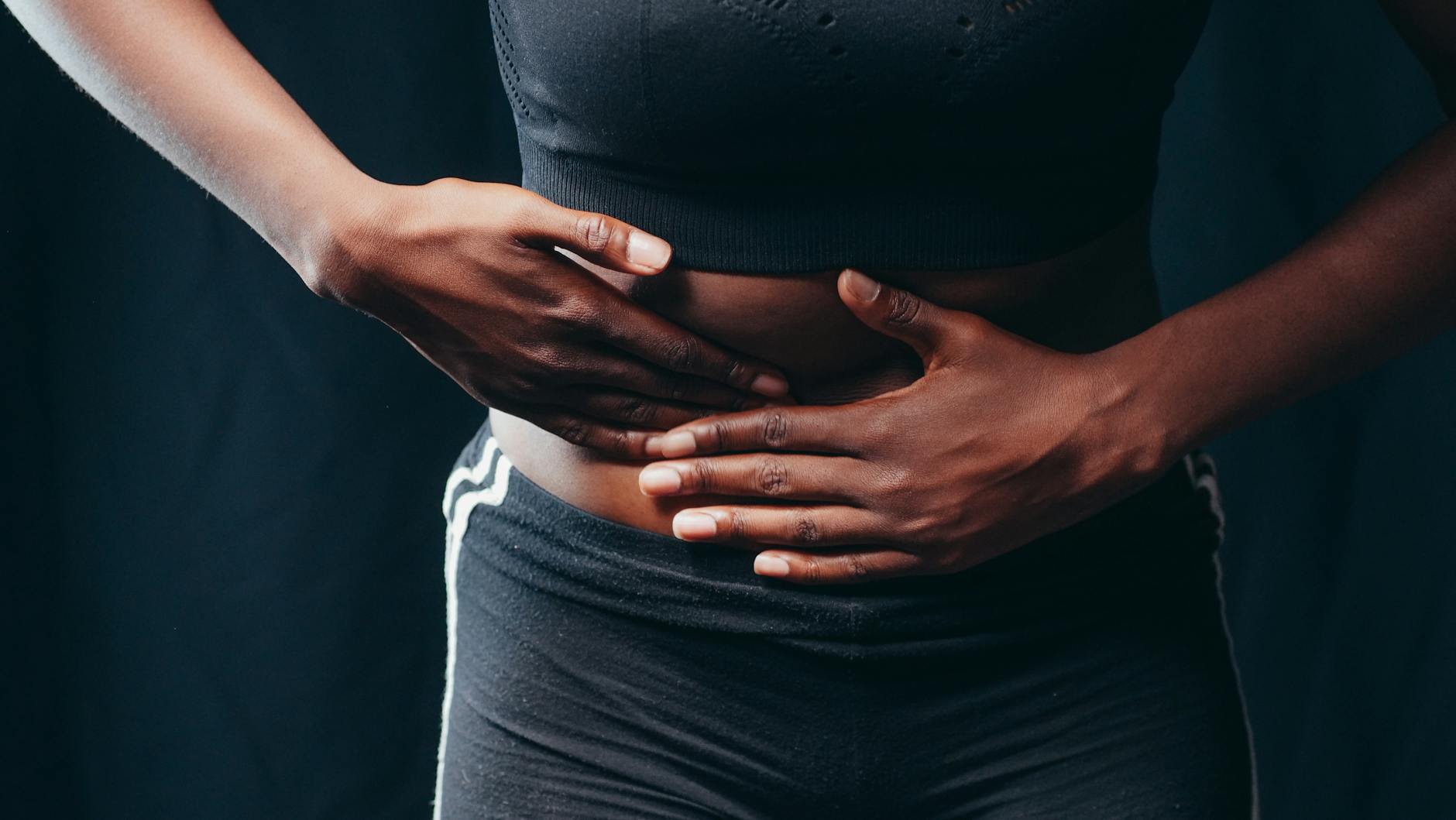
Progesterone, which rises and falls unpredictably in perimenopause, can slow down the muscles of the digestive tract. This often leads to constipation that alternates with periods of normal bowel movements. A woman might find herself reaching for laxatives or fiber supplements without lasting relief.
This symptom is easy to miss because it doesn’t always follow a clear pattern. Staying hydrated, adding gentle movement like walking, and eating soluble fiber (think oats, apples, and carrots) may support regularity without harsh remedies.

4. Heartburn or Acid Reflux
Many women experience new or worsening heartburn during perimenopause, yet it’s rarely linked to hormones. Estrogen and progesterone can relax the valve between the stomach and esophagus, allowing stomach acid to splash up. This can feel like a burning sensation in the chest or a sour taste in the mouth.
It’s not always about what she ate—timing matters. Eating smaller meals, avoiding lying down right after eating, and elevating the head of the bed may help. If heartburn persists, a doctor can recommend safe options for her.
5. Nausea or Queasiness
Some women feel nauseous randomly during perimenopause, especially in the morning or between meals. Hormonal shifts can affect the part of the brain that controls nausea, and they can also slow stomach emptying, leading to that unsettled feeling.
This symptom is often mistaken for anxiety or a stomach bug. Eating small, frequent snacks (like crackers or ginger tea) and avoiding large, heavy meals may calm the queasiness. If it’s severe, it’s worth mentioning to a provider.
What helps
- Eat small, frequent meals to ease digestion and stabilize blood sugar.
- Stay hydrated with water and herbal teas like peppermint or ginger.
- Incorporate gentle movement like walking or yoga after meals.
- Keep a symptom diary to track patterns and share with a provider.
- Consider a probiotic-rich food like yogurt or kefir (if tolerated).
WOMO Health is here. The bio-intelligence app that helps you decode your body, track what matters, and finally get answers is available now. Download WOMO and start listening to what your body has been telling you all along.
Get the WOMO App →