
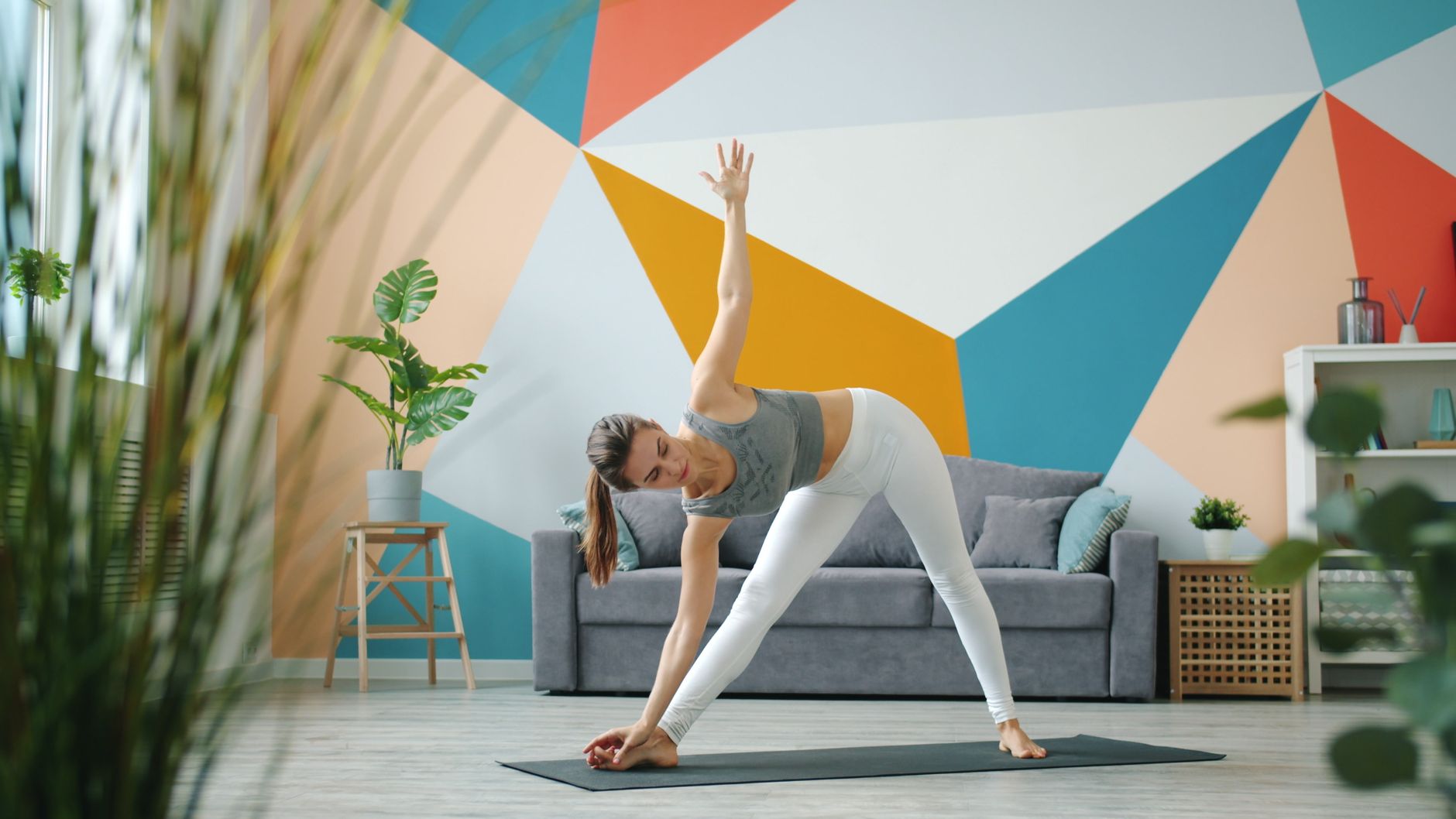
Perimenopause Yoga for Hot Flash Relief: Gentle Routines
Perimenopause brings a cascade of changes, and hot flashes are one of the most common. While the experience varies, many women find that certain yoga poses and breathing techniques can help the body feel more balanced. These routines are designed to calm the nervous system, support temperature regulation, and offer a moment of peace in a busy day. No special equipment is needed—just a mat, a quiet corner, and a willingness to listen to the body.
Why Yoga May Help with Hot Flashes During Perimenopause
Hot flashes are linked to shifts in hormone levels, particularly estrogen, which affects the body's temperature control center. When estrogen fluctuates, the hypothalamus can misinterpret signals, triggering a sudden sensation of heat. Gentle movement and deep breathing may help stabilize the nervous system, reducing the frequency or intensity of these episodes.
Yoga, especially slower styles, activates the parasympathetic nervous system—the rest-and-digest mode. This can lower stress hormones like cortisol, which are known to trigger hot flashes. For the woman who feels her body is unpredictable, yoga offers a way to regain a sense of agency and calm.
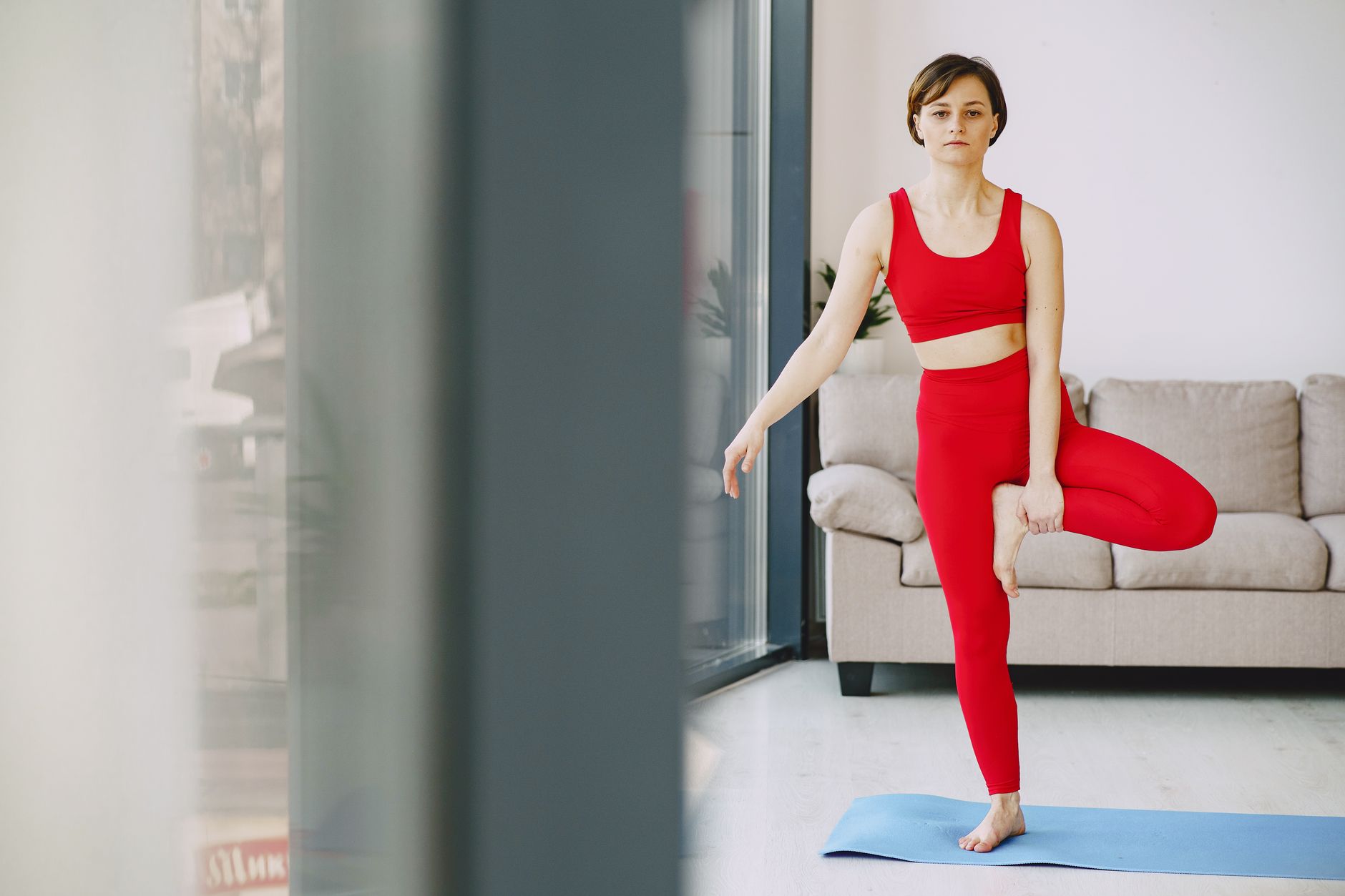
A Simple Yoga Sequence for Cooling the Body
This short routine focuses on poses that open the chest, release the hips, and encourage slow, even breathing. Each pose should be held for five to eight breaths, or as long as it feels comfortable.
Start in Child's Pose (Balasana): Kneel on the mat, sit back on the heels, and rest the forehead on the floor or a block. Arms can rest alongside the body or stretch forward. This pose grounds the body and invites a sense of safety.
Transition to Cat-Cow (Marjaryasana-Bitilasana): On hands and knees, inhale as the spine arches and the belly drops (Cow), then exhale as the spine rounds and the chin tucks (Cat). Moving with the breath helps regulate the body's internal rhythm.
Move to Legs-Up-the-Wall (Viparita Karani): Lie on the back with legs resting up a wall, hips close to the base. This gentle inversion may help cool the body and calm a racing mind. Stay for several minutes.

Breathwork to Stop a Hot Flash in Its Tracks
When a hot flash begins, the first instinct is often to panic. But breathwork can be a powerful tool to dial down the heat response. One technique is 4-7-8 breathing: inhale for four counts, hold for seven, exhale for eight. This pattern signals the nervous system to relax.
Another is Sitali Pranayama, or cooling breath. Roll the tongue into a tube (or purse the lips if that's easier) and inhale slowly through the mouth, then exhale through the nose. A few rounds can create a noticeable cooling sensation in the body.

Creating a Consistent Practice That Fits Her Life
Consistency matters more than duration. Even five minutes of gentle yoga and breathwork each morning can train the body to respond more calmly to temperature shifts. For the woman with a packed schedule, a short evening practice before bed can also support better sleep, which is often disrupted during perimenopause.
Listening to the body is key. If a pose feels too intense, she can modify it—using props like blankets or blocks, or simply resting in a comfortable seated position. The goal is not to push but to soothe.
What helps
- Practice cooling breath (Sitali or 4-7-8) at the first sign of a hot flash.
- Keep a yoga mat or cushion ready in a cool, quiet space for quick sessions.
- Use a fan or open window during yoga to support temperature regulation.
- Hydrate with cool water before and after practice to help the body cool down.
- Try a short evening sequence to ease into restful sleep and reduce night sweats.
This page includes affiliate links. As an Amazon Associate, WOMO earns from qualifying purchases, at no extra cost to you.
Mae’s picks
- Magnesium Glycinate — the best-absorbed form for sleep and calm
- Evening Primrose Oil 1300mg — GLA support for cyclical tenderness
- Ashwagandha KSM-66 — the clinical-grade extract for cortisol
Start with the free 10-minute health assessment
Take the free 10-minute health assessment in WOMO, then spend 7 days with Mae, your health companion. Log your sleep, mood, cycle and symptoms, and Mae reads them together so you can see your patterns and bring them to your next appointment.
Take the free assessment