Postpartum Core Rehab Beyond Crunches: Pelvic Floor First
The journey back to a strong core after childbirth can feel overwhelming, especially with endless advice online. But the truth is, traditional crunches and sit-ups often work against postpartum recovery. For the woman who wants to rebuild her core safely and effectively, the pelvic floor is the foundation. When the pelvic floor is weak or overworked, it can't support the deep core muscles, leading to issues like back pain, leakage, or a persistent belly pooch. By prioritizing the pelvic floor first, a woman sets herself up for lasting strength and healing.
Why the Pelvic Floor Comes First
The pelvic floor is a sling of muscles at the base of the pelvis, working like a hammock to support the bladder, uterus, and bowel. During pregnancy and childbirth, these muscles stretch and can become weakened or tight. Jumping into high-impact core exercises too soon can put extra pressure on them, worsening issues like incontinence or pelvic organ prolapse.
Think of the pelvic floor as the foundation of a house. Without a solid base, the walls (the deep core and back) can't stand strong. Research suggests that rehabilitating the pelvic floor first helps restore proper alignment and function, making every other core exercise safer and more effective.
The Risks of Rushing into Crunches
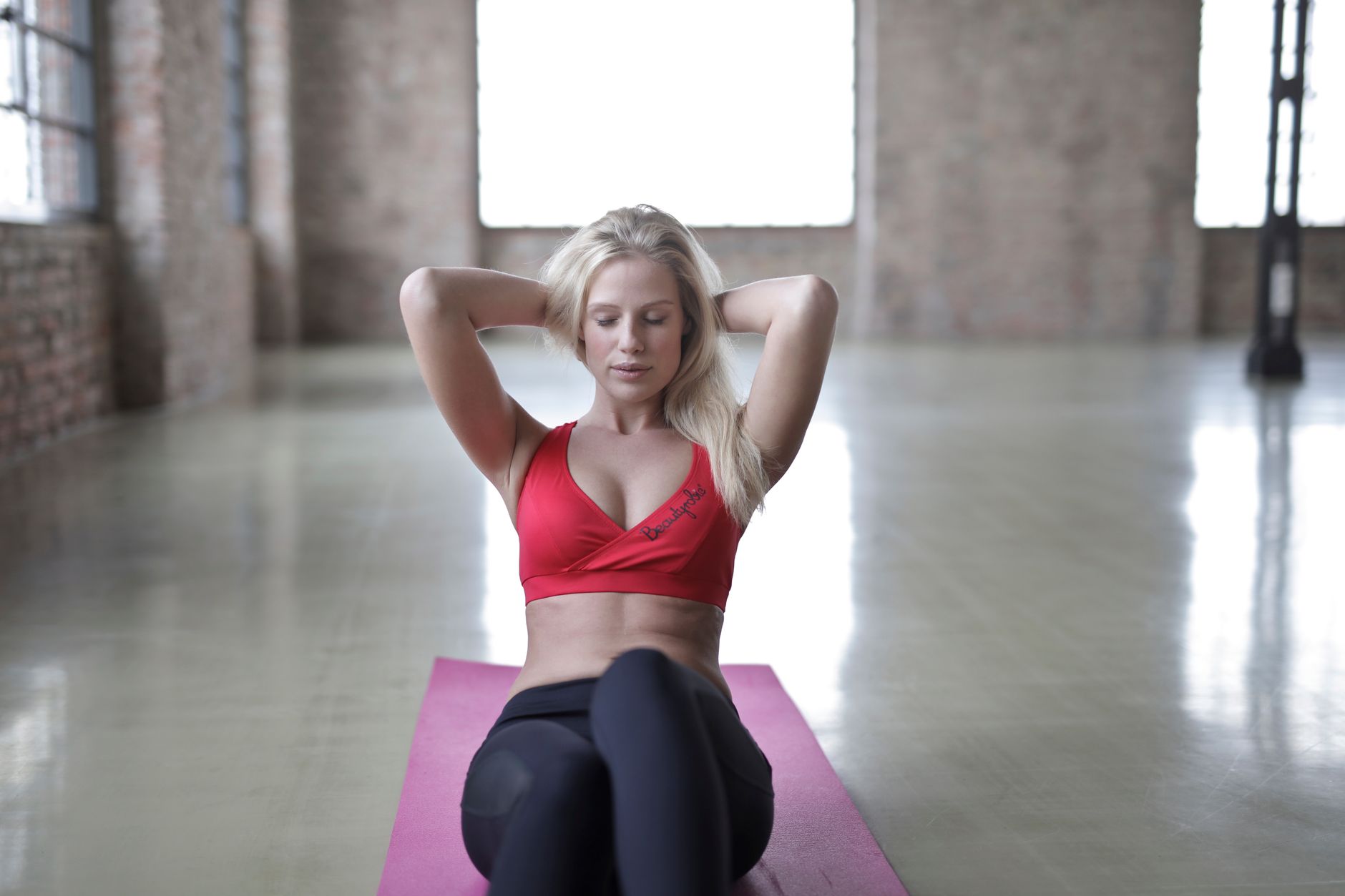
Many women feel pressured to return to pre-pregnancy workouts quickly, but crunches and planks can be counterproductive. These exercises often increase intra-abdominal pressure, which pushes down on a recovering pelvic floor. This can lead to diastasis recti (separation of the abdominal muscles) or worsen existing pelvic floor dysfunction.
Instead of building strength, crunches may cause the belly to bulge outward, known as doming or coning. A woman might feel frustrated when her core doesn't respond, not realizing that the issue isn't effort—it's alignment. By avoiding traditional crunches, she gives her pelvic floor and deep core time to heal and re-engage.

Gentle Movements to Rebuild from the Inside Out
Postpartum core rehab is about slow, mindful movements that reconnect the mind and body. A great starting point is diaphragmatic breathing, where a woman lies on her back with knees bent, inhales deeply into her belly, and exhales gently while drawing the pelvic floor upward. This helps activate the deep core without strain.
Other supportive exercises include pelvic tilts, heel slides, and side-lying leg lifts. These moves strengthen the transverse abdominis (the body's natural corset) while respecting the pelvic floor's limits. A woman can progress gradually, always listening to her body—if something feels painful or causes bulging, it's a sign to pull back.
When to Seek Professional Guidance
Every woman's postpartum journey is unique, and a one-size-fits-all approach rarely works. A pelvic floor physical therapist can assess individual needs, checking for issues like muscle tension, weakness, or diastasis recti. They provide personalized exercises and tools like biofeedback to track progress.
Many women find that working with a professional helps them avoid setbacks and build confidence. WOMO Health's bio-intelligence platform offers gentle, data-driven insights to support this process, helping a woman understand her body's signals and move forward at her own pace.
What helps
- Start with diaphragmatic breathing daily to engage the pelvic floor gently.
- Avoid heavy lifting or high-impact cardio until the pelvic floor feels stable.
- Use a supportive binder or wrap if recommended by a provider for extra comfort.
- Stay hydrated and eat fiber-rich foods to prevent constipation, which strains the pelvic floor.
- Check for signs of diastasis recti—like a ridge down the belly—and modify exercises accordingly.
This page includes affiliate links. As an Amazon Associate, WOMO earns from qualifying purchases, at no extra cost to you.
Mae’s picks
- Iron Bisglycinate — the gentle, well-absorbed iron form
Start with the free 10-minute health assessment
Take the free 10-minute health assessment in WOMO, then spend 7 days with Mae, your health companion. Log your sleep, mood, cycle and symptoms, and Mae reads them together so you can see your patterns and bring them to your next appointment.
Take the free assessment