Postpartum Core Strength & Anterior Pelvic Tilt Recovery Guide
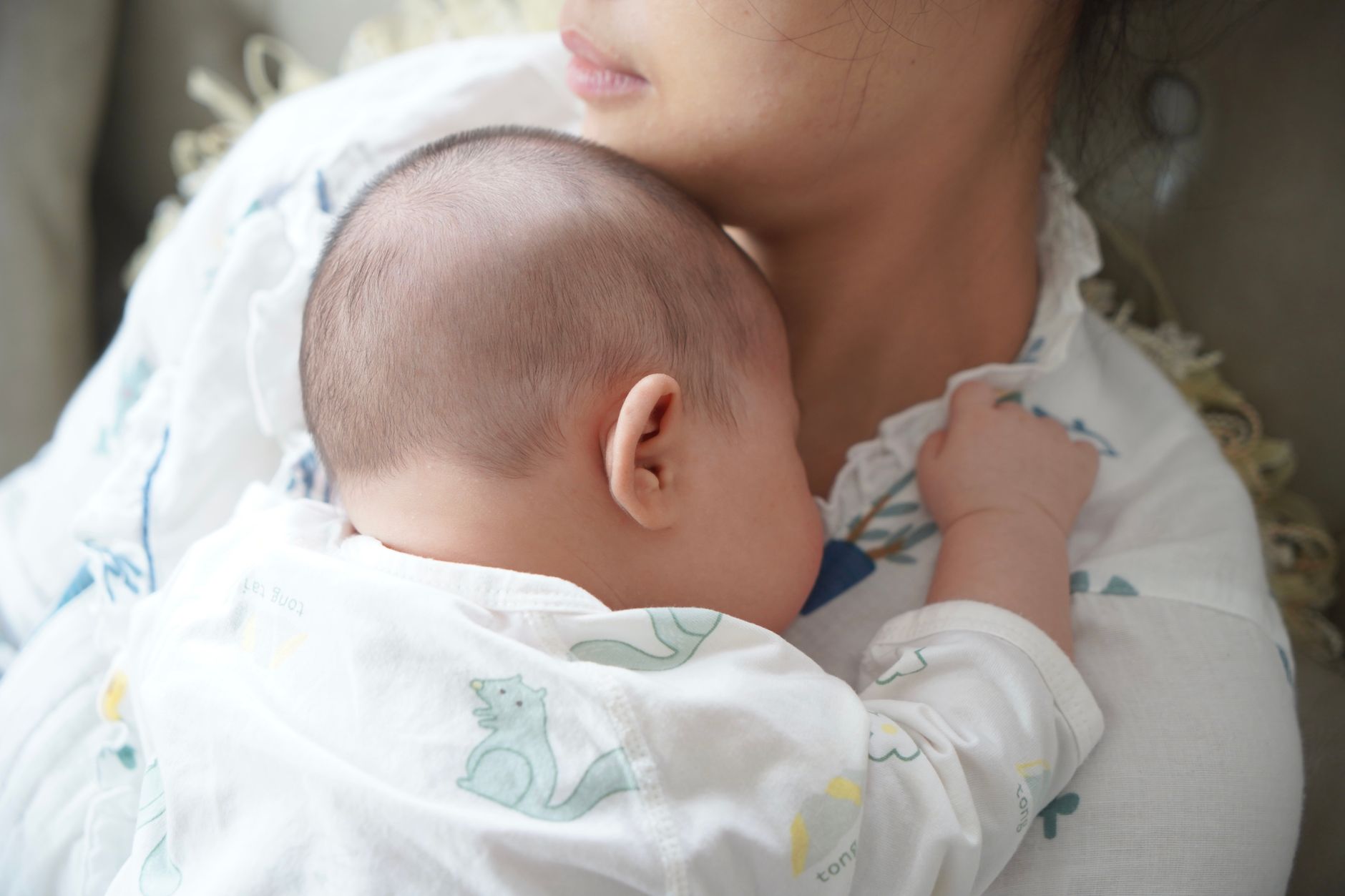
This common postpartum change, known as anterior pelvic tilt, often goes hand in hand with a weakened core. The good news? With gentle, targeted steps, a woman can rebuild her core strength and restore her pelvis to a more neutral position. Here's what to know and how to start.
What Is Anterior Pelvic Tilt After Baby?
Anterior pelvic tilt happens when the front of the pelvis drops forward and the back rises slightly, creating a curve in the lower spine. During pregnancy, the body naturally releases hormones that loosen ligaments, and the growing belly shifts the center of gravity. This can leave the pelvic floor, deep abdominal muscles, and glutes stretched or underused.
After delivery, many women continue to hold this posture without realizing it. It may feel like a swayback, or it might cause lower back discomfort. The key is that this tilt isn't 'bad'—it's a common adaptation. But with time, gentle work can help the body find its balance again.

Why Core Strength Matters for Pelvic Alignment
The core isn't just about the outer abdominal muscles. It includes the deep transverse abdominis (the body's natural corset), the pelvic floor, the diaphragm, and the muscles along the spine. When these work together, they support the pelvis in a neutral position.
After childbirth, the deep core may feel disconnected. A woman might notice she can't engage her lower belly or that her pelvic floor feels weak. Rebuilding this connection is the first step toward easing anterior pelvic tilt. It's not about crunches or planks—it's about gentle, breath-based activation.
Gentle Moves to Begin Core Recovery
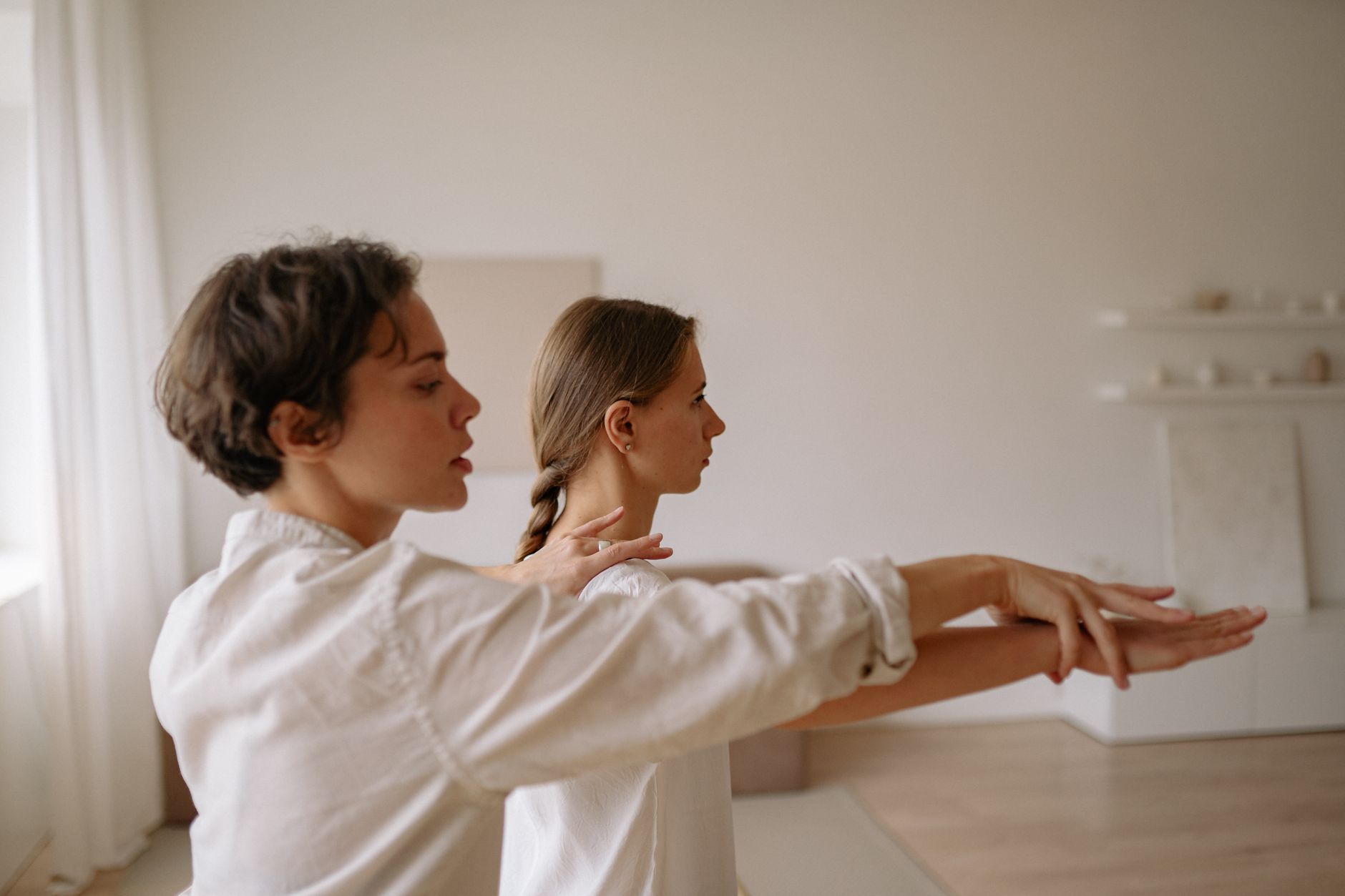
Recovery starts with small, mindful movements. Diaphragmatic breathing—breathing deeply into the belly and ribs—helps activate the deep core and pelvic floor. A woman can try lying on her back with knees bent, placing one hand on her belly and one on her ribs, and breathing slowly for a few minutes each day.
Pelvic tilts (gently rocking the pelvis forward and back while lying down) can help a woman feel her range of motion. Heel slides and bridges (lifting the hips off the floor while keeping the core engaged) also support glute and core strength. The goal is always to move slowly and without pain. A provider or pelvic floor physical therapist can offer personalized guidance.
Daily Habits That Support Pelvic Alignment
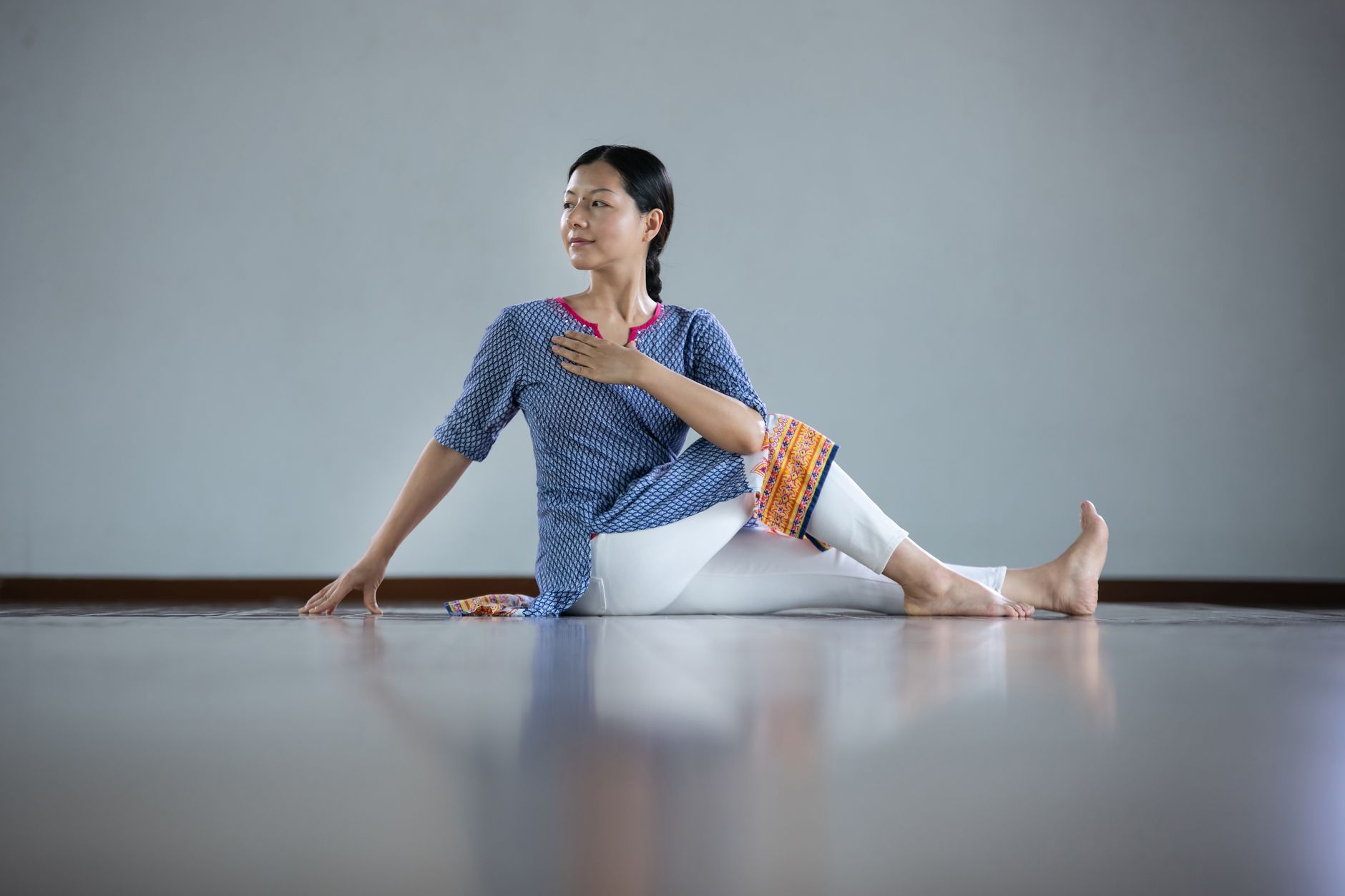
How a woman stands, sits, and lifts her baby can either support or strain her recovery. When standing, she can try to soften her knees, tuck her tailbone slightly, and imagine a gentle lift through her core. When sitting, a small pillow behind her lower back can help maintain a neutral spine.
Carrying a baby on one hip can pull the pelvis out of alignment over time. Switching sides often or using a supportive carrier that distributes weight evenly may help. Staying hydrated and eating anti-inflammatory foods (like berries, leafy greens, and healthy fats) can also support tissue healing and reduce discomfort.
What helps
- Practice diaphragmatic breathing daily, even for 2-3 minutes, to reconnect with the deep core.
- Try gentle pelvic tilts on a soft surface, moving slowly and without force.
- Stand with a relaxed but engaged core, imagining a string lifting the crown of the head.
- Switch sides frequently when carrying or nursing to avoid habitual asymmetry.
- Consult a pelvic floor physical therapist for a personalized recovery plan.
This page includes affiliate links. WOMO may earn a small commission, at no extra cost, from purchases made through them.
Mae’s picks
- Iron Bisglycinate — the gentle, well-absorbed iron form
- Berberine 500mg — supports insulin sensitivity
- Vitamin D3 + K2 — directs calcium to bones, not arteries
WOMO Health is here. The bio-intelligence app that helps you decode your body, track what matters, and finally get answers is available now. Download WOMO and start listening to what your body has been telling you all along.
Get the WOMO App →