Postpartum Core Strength Without Crunches: A Gentle Guide
After giving birth, many women feel eager to return to a strong core—but traditional exercises like crunches can do more harm than good. The body has changed: the abdominal muscles stretched, and the connective tissue between them may have separated (a condition called diastasis recti). Crunches can put extra pressure on that area, making the separation worse. The good news? There are gentle, effective ways to rebuild core strength that honor the postpartum body. This article explores safe, crunch-free methods that support healing and function.
Why Crunches Aren’t the Answer After Baby
During pregnancy, the rectus abdominis muscles (the ones that make up a 'six-pack') stretch to accommodate the growing baby. For many women, the tissue between them also widens, creating a gap known as diastasis recti. Crunches and sit-ups involve curling the torso upward, which can increase intra-abdominal pressure and push the abdominal contents forward—potentially widening that gap further.
Instead of strengthening, crunches may actually weaken the core by putting stress on the pelvic floor and lower back. For the postpartum woman, the goal is to close that gap and rebuild support from the inside out, not to compress or strain the abdomen.
Start with the Breath: The Foundation of Core Recovery
Breathing is the first and most important tool for postpartum core strength. When a woman breathes deeply, her diaphragm moves downward, and her pelvic floor and deep abdominal muscles respond. This is called intra-abdominal pressure management—a fancy way of saying the core works together as a unit.
A simple practice is to lie on the back with knees bent, place hands on the lower belly, and inhale deeply through the nose, letting the belly expand. Then, exhale slowly through the mouth, drawing the belly button gently toward the spine. This movement reconnects the woman with her deep transverse abdominis muscle, which acts like a natural corset. Doing this for just a few minutes a day can make a real difference.
Gentle Moves That Rebuild Core Strength Safely
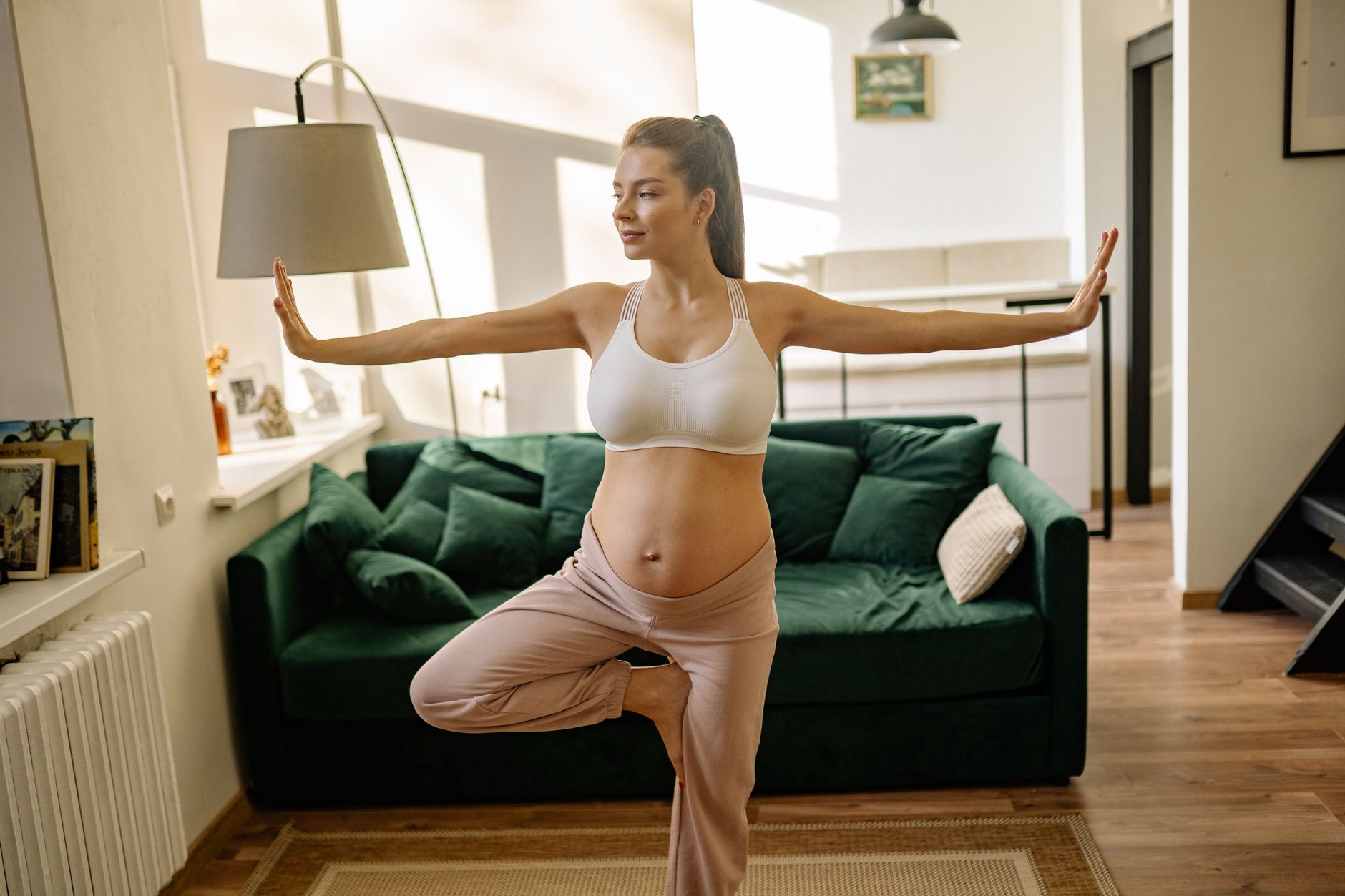
Once a woman feels comfortable with breathwork, she can add gentle exercises that engage the core without crunching. One of the most effective is the pelvic tilt: lying on the back with knees bent, she gently rocks the pelvis up toward the ribs, pressing the lower back into the floor. This activates the deep abdominals and lower back muscles.
Another option is the dead bug—lying on the back with arms and legs lifted, she slowly extends one arm and the opposite leg while keeping the core braced. This movement challenges stability without putting pressure on the abdomen. For women who want to stand, a wall squat with a small ball between the knees can engage the core while protecting the pelvic floor. Each move should feel gentle and controlled, never painful.

The Role of the Pelvic Floor in Core Strength
The core isn’t just the front of the belly—it includes the pelvic floor, diaphragm, and deep back muscles. After childbirth, the pelvic floor can be weak or tight, and both issues affect core function. For example, a weak pelvic floor may make it hard to hold in urine or feel stable, while a tight one can cause pain or difficulty with bowel movements.
Working with a pelvic floor physical therapist can be incredibly helpful. They can assess the woman’s specific needs and guide her through exercises that coordinate the pelvic floor with breath and movement. Simple Kegels, when done correctly, can be part of the plan, but they’re most effective when combined with deep breathing and overall core engagement. The key is to listen to the body and avoid holding tension.
Everyday Habits That Support Core Healing
Core strength isn’t just about exercise—it’s also about how a woman moves throughout her day. Simple changes, like rolling to the side before getting out of bed instead of sitting straight up, can protect the abdominals. Lifting the baby by bending the knees and keeping the back straight, rather than leaning forward, also reduces strain.
Wearing a supportive postpartum belt or binder during activity may help some women feel more stable, but it shouldn’t replace active core engagement. And staying hydrated and eating a diet rich in protein and fiber supports tissue repair and digestion, which indirectly helps the core. Small, consistent actions add up to real progress.
What helps
- Deep belly breathing daily, lying on the back with knees bent
- Pelvic tilts to gently awaken the deep abdominals
- Dead bug exercise for stability without crunching
- Rolling to the side before getting out of bed
- Consulting a pelvic floor physical therapist for personalized guidance
This page includes affiliate links. WOMO may earn a small commission, at no extra cost, from purchases made through them.
Mae’s picks
- Iron Bisglycinate — the gentle, well-absorbed iron form
- Ashwagandha KSM-66 — the clinical-grade extract for cortisol
- Magnesium Glycinate — the best-absorbed form for sleep and calm
WOMO Health is here. The bio-intelligence app that helps you decode your body, track what matters, and finally get answers is available now. Download WOMO and start listening to what your body has been telling you all along.
Get the WOMO App →