
Postpartum Recovery Exercises After a Cesarean Birth
For the woman who has had a cesarean birth, the postpartum period brings its own set of considerations. The body has undergone major surgery, and healing takes time. Gentle, intentional movements can be a powerful way to support recovery, reconnect with the core, and rebuild strength without pushing too hard. This article offers a thoughtful guide to postpartum exercises that honor the cesarean recovery process.
Understanding Healing After a Cesarean Birth
A cesarean birth involves an incision through the abdominal wall and uterus, which means the body needs extra care in the weeks and months after delivery. The healing timeline varies for every woman, but it’s common to feel tenderness, numbness, or a pulling sensation around the incision area. The pelvic floor and deep core muscles also need time to recover from pregnancy and surgery.
Before starting any exercise, it’s important to get clearance from a healthcare provider—usually at the six-week postpartum checkup, though some women may need more time. Listening to the body is key: if something feels painful or uncomfortable, it’s a sign to pause and rest.
Gentle Movements to Start in the Early Weeks
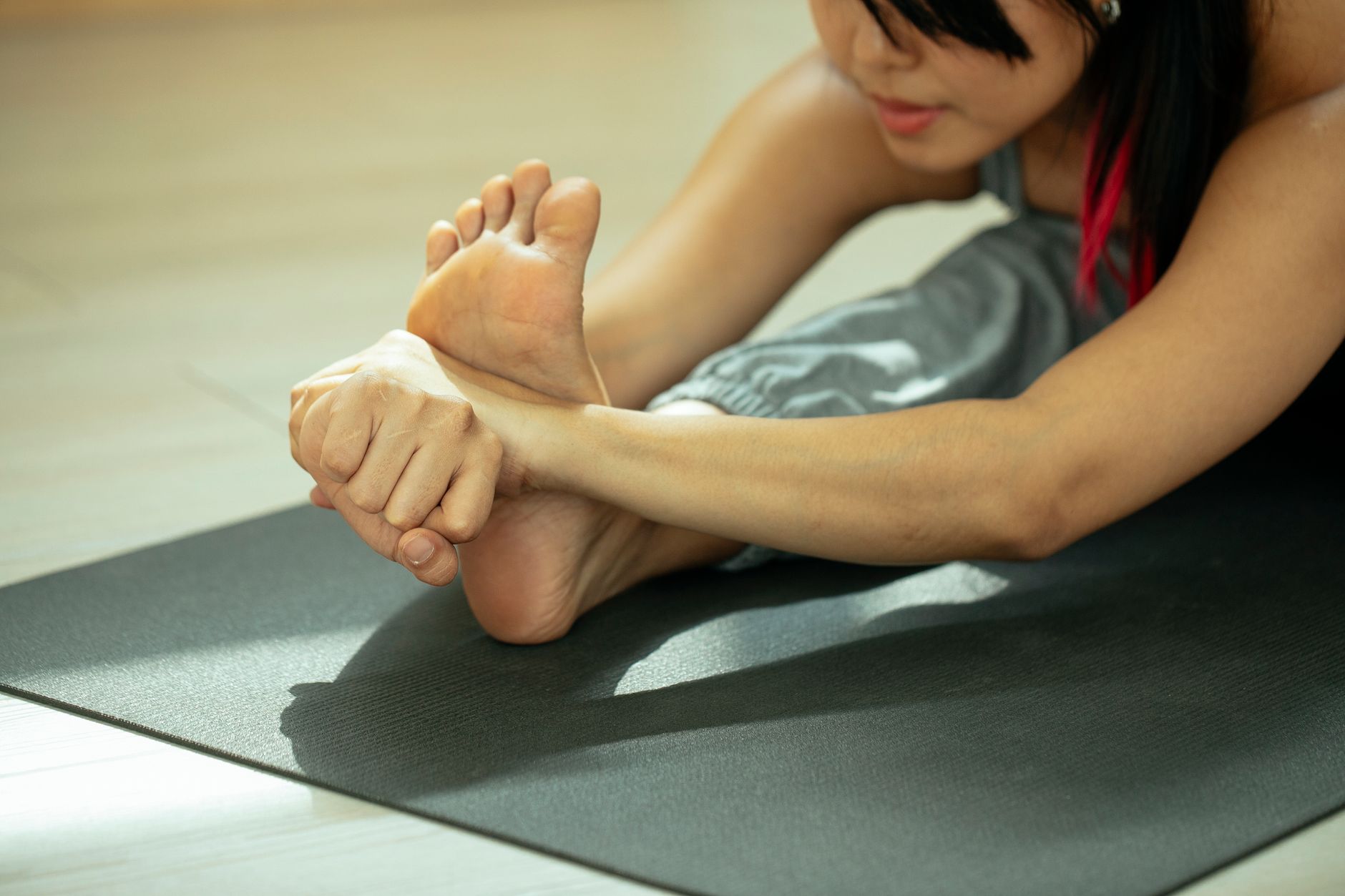
In the first few weeks, the focus should be on gentle, restorative movements that promote circulation and prevent complications like blood clots. Deep breathing exercises are a safe starting point: lying on the back with knees bent, the woman can place her hands on her belly and breathe deeply, feeling the rise and fall of the abdomen. This supports the diaphragm and gently engages the deep core.
Another early movement is pelvic tilts. While lying on the back with knees bent, she can gently tilt the pelvis upward, pressing the lower back into the floor, then release. This can be done several times a day, as comfort allows. Walking is also encouraged—short, slow walks around the house or yard can help with circulation and mood, but she should avoid stair climbing or long distances until the body feels ready.
Rebuilding Core Strength Safely
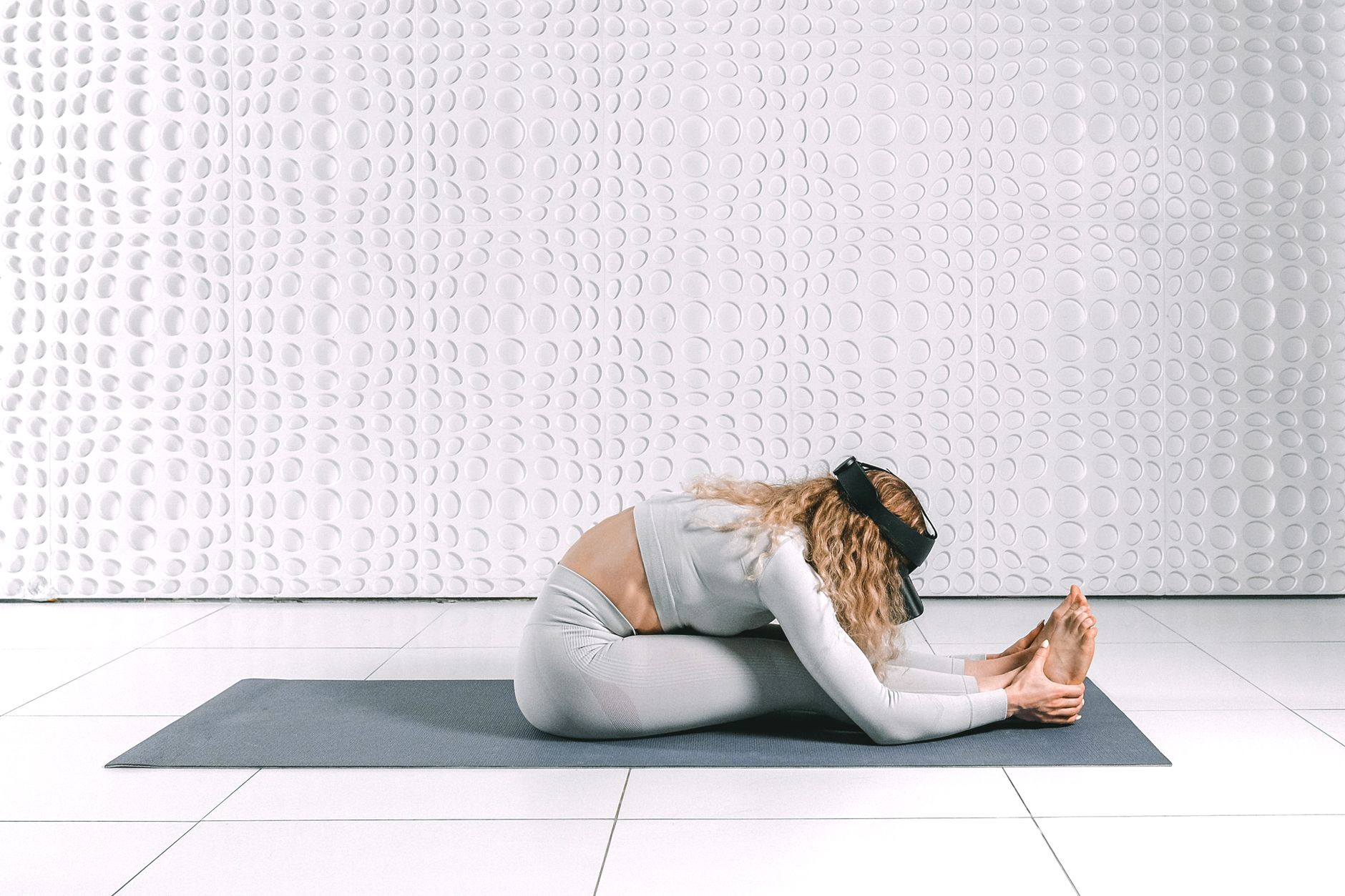
After the initial healing phase—typically around six to eight weeks—a woman can begin to gently rebuild core strength. The key is to work with the deep core muscles, including the transverse abdominis, which wrap around the torso like a corset. Exercises like heel slides (sliding one heel out and back while lying on the back) can help reawaken this muscle group without straining the incision.
Another safe option is the modified dead bug: lying on the back with knees bent and arms reaching toward the ceiling, she can slowly extend one leg and the opposite arm, then return to center, switching sides. This movement helps coordinate the core and limbs while keeping the pelvis stable. It’s important to avoid traditional crunches or sit-ups, which can put too much pressure on the healing abdominal wall and incision site.

Pelvic Floor Considerations and Integration
The pelvic floor also needs attention after a cesarean birth, as pregnancy itself can weaken these muscles regardless of delivery method. Gentle Kegel exercises—contracting and releasing the pelvic floor muscles—can be started once the woman feels ready, often a few weeks postpartum. She can do them while sitting or lying down, holding for a few seconds and then relaxing fully.
As she progresses, integrating pelvic floor awareness into other movements—like deep breathing or walking—can support overall recovery. If she experiences pain, pressure, or leaking, it’s wise to consult a pelvic floor physical therapist, who can provide personalized guidance. The goal is not to rush, but to rebuild a foundation of strength that feels sustainable and supportive.
When to Progress and What to Avoid
Every woman’s recovery is different, so progression should be based on how the body feels rather than a set timeline. Signs that she may be ready to add more movement include: no pain around the incision, ability to perform basic exercises without discomfort, and clearance from a healthcare provider. At this point, she might incorporate low-impact activities like swimming or stationary cycling.
Exercises to avoid until fully healed include heavy lifting, high-impact jumping, and intense abdominal work like planks or leg raises. These can strain the healing tissues and increase the risk of complications like diastasis recti (separation of the abdominal muscles) or hernia. The best approach is to listen to the body and seek guidance from a provider or a postpartum fitness specialist who understands cesarean recovery.
What helps
- Deep breathing exercises daily to gently engage the core and promote relaxation.
- Short, slow walks around the house or yard to improve circulation gradually.
- Pelvic tilts while lying on the back to support lower back and pelvic mobility.
- Heel slides to reawaken the deep core muscles without straining the incision.
- Modified dead bug movements for safe core coordination and stability.
This page includes affiliate links. As an Amazon Associate, WOMO earns from qualifying purchases, at no extra cost to you.
Mae’s picks
- Iron Bisglycinate — the gentle, well-absorbed iron form
- Magnesium Glycinate — the best-absorbed form for sleep and calm
- Omega-3 Fish Oil — EPA/DHA for inflammation, heart and mood
Start with the free 10-minute health assessment
Take the free 10-minute health assessment in WOMO, then spend 7 days with Mae, your health companion. Log your sleep, mood, cycle and symptoms, and Mae reads them together so you can see your patterns and bring them to your next appointment.
Take the free assessment