
Sleep Apnea in Women Looks Different
Why does my doctor keep telling me it's stress?
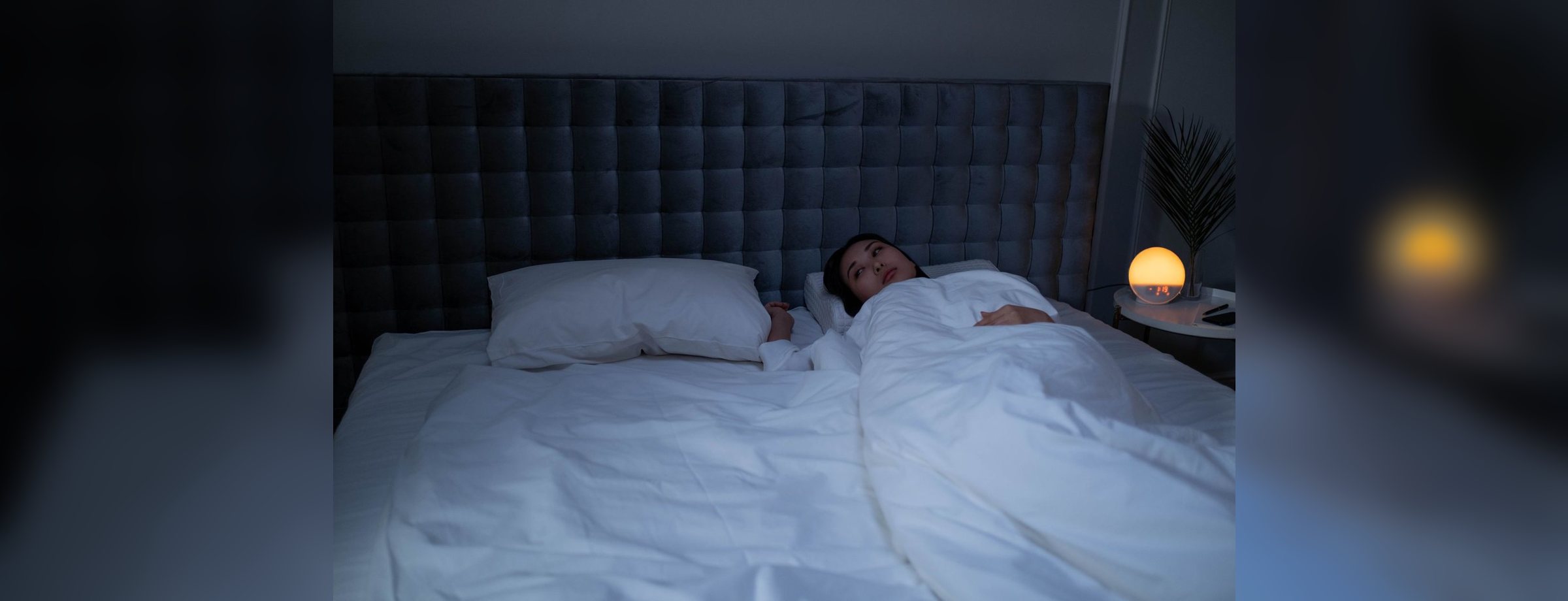
You've heard it before: it's hormones, it's perimenopause, it's just stress. You leave with nothing written down. But sleep apnea in women often doesn't look like the classic picture of a man snoring loudly. Instead, you wake at 3am with your heart racing, or you grind through the day exhausted despite a full night in bed.
That's because women tend to have more upper airway resistance and awakenings that fragment sleep without the dramatic gasping a partner would notice. Around 3am, most people are in lighter sleep, so subtle breathing pauses can pull you awake just enough to break restorative sleep. Your doctor may not ask about snoring because you don't snore loudly, but that doesn't mean your breathing is fine.
What are the signs women often miss?
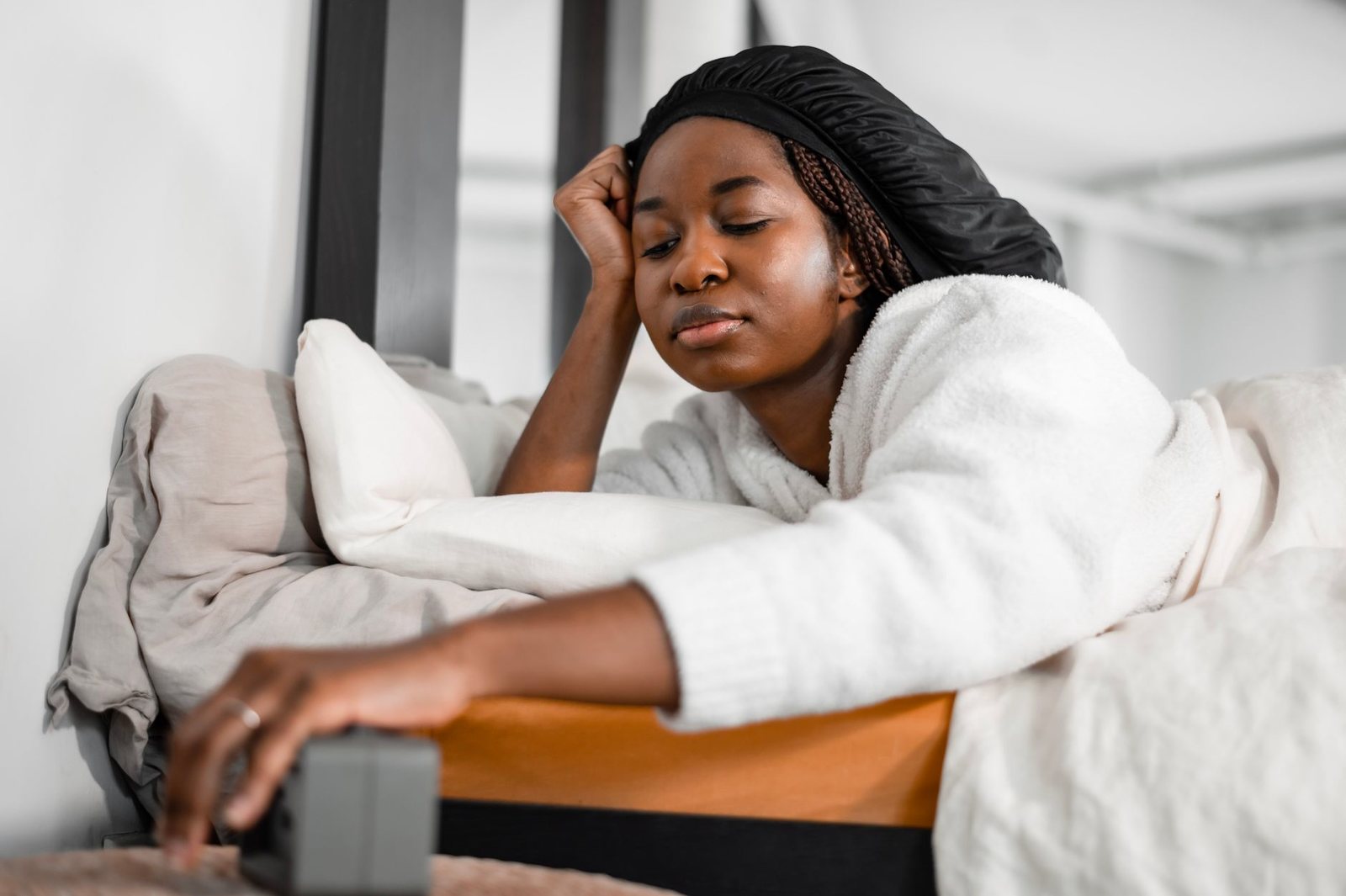
Fatigue that doesn't improve with more sleep is the big one. You might also wake with a dry mouth or a headache that fades by mid-morning. Insomnia, especially waking in the early hours and struggling to fall back asleep, is common. Some women feel irritable, foggy, or depressed, and those symptoms get attributed to mood rather than breathing.
You might notice you're getting up to pee more than once a night, or that your bed partner says you snore softly or breathe irregularly. If you have high blood pressure that's hard to control, or you wake gasping or choking even once, that's worth mentioning. These signs are common in sleep apnea, but only a sleep study can tell you what's actually happening.
How do I ask for a sleep study without being dismissed?
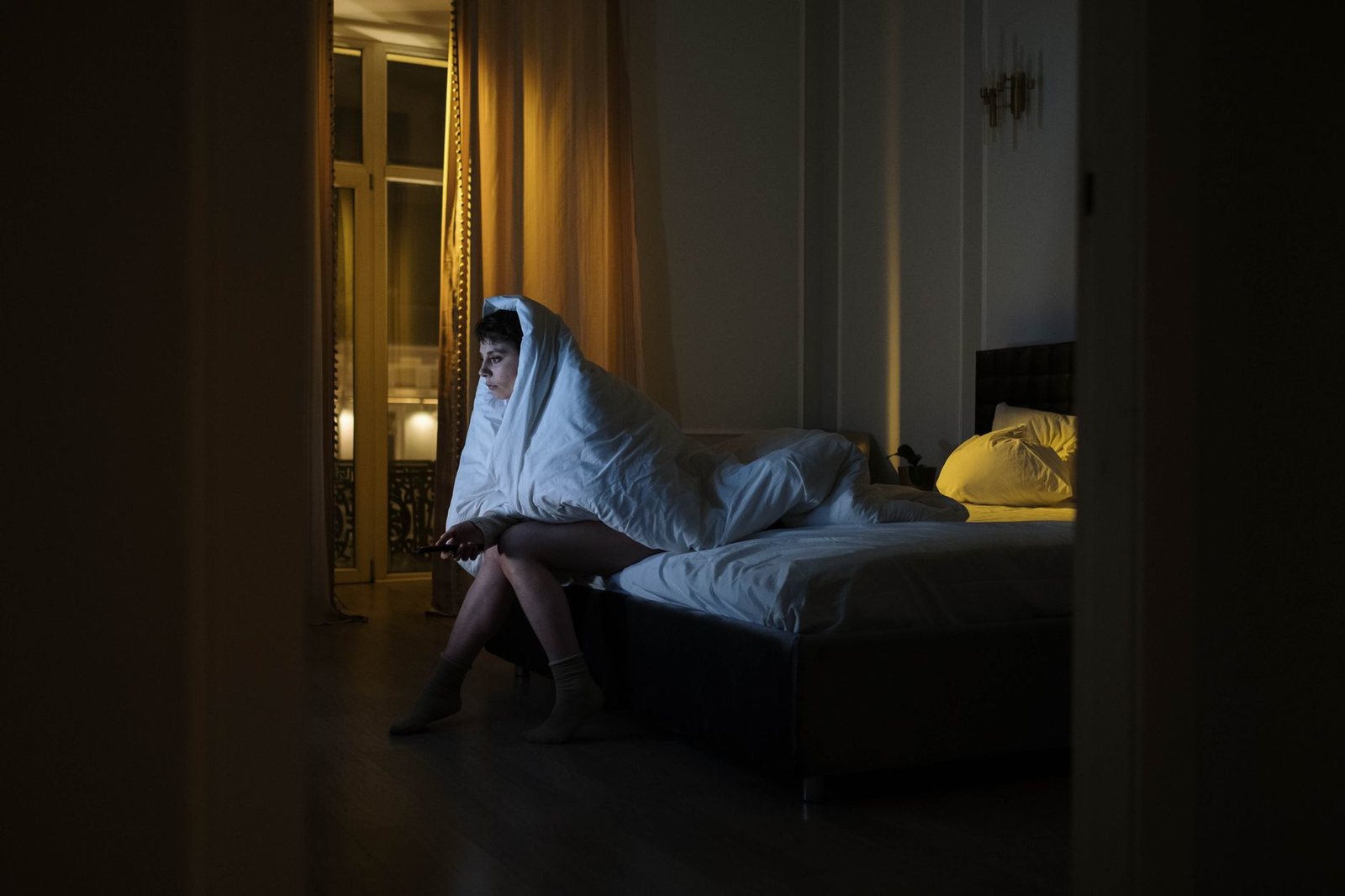
Come prepared with a symptom log. Write down your bedtime, wake time, how many times you wake, and how you feel during the day for two weeks. Note any headaches, dry mouth, or nighttime bathroom trips. If your partner notices snoring or pauses in breathing, ask them to write a sentence or two. This turns 'I'm tired' into a pattern a doctor can act on.
Say plainly: 'I'd like to be evaluated for sleep apnea. I have fatigue, insomnia, and headaches that haven't improved with lifestyle changes.' If you're told it's hormones, ask: 'What else could cause these symptoms, and how would we rule out a sleep disorder?' You can also ask for a referral to a sleep specialist or a home sleep apnea test. If you ever wake gasping or choking, or have chest pain, call your provider right away.

What happens after a sleep study?
A sleep study measures your breathing, oxygen levels, and brain waves while you sleep. It can be done at home with a small device or in a lab, depending on your symptoms and your doctor's preference. The results show whether you stop breathing or have frequent arousals, and how severe they are. That information guides what your provider recommends next.
If you're diagnosed, treatment might include lifestyle adjustments, oral appliances, or positive airway pressure therapy. Your provider will discuss what fits your situation. Mae can help you track your sleep patterns and symptoms over time, so you have better information to bring to your next appointment. It doesn't replace a sleep study or your doctor's care, but it can help you see what's been happening night after night.
What helps
- Keep a two-week sleep log by your bed and jot down wake times, headaches, and daytime energy.
- Ask your bed partner to note any snoring, gasping, or pauses in your breathing they notice.
- Set a consistent wake time, even on weekends, to help your body clock settle.
- Limit alcohol within three hours of bedtime, since it can relax airway muscles and worsen breathing pauses.
- Bring your symptom log and a written request for a sleep study to your next appointment.
This page includes affiliate links. As an Amazon Associate, WOMO earns from qualifying purchases, at no extra cost to you.
Mae’s picks
- cooling pillowcase — Helps with night sweats that disrupt sleep
- sleep diary notebook — Makes it easy to track patterns for your doctor
- white noise machine — Can mask household sounds that wake you
Start with the free 10-minute health assessment
Take the free 10-minute health assessment in WOMO, then spend 7 days with Mae, your health companion. Log your sleep, mood, cycle and symptoms, and Mae reads them together so you can see your patterns and bring them to your next appointment.
Take the free assessment