
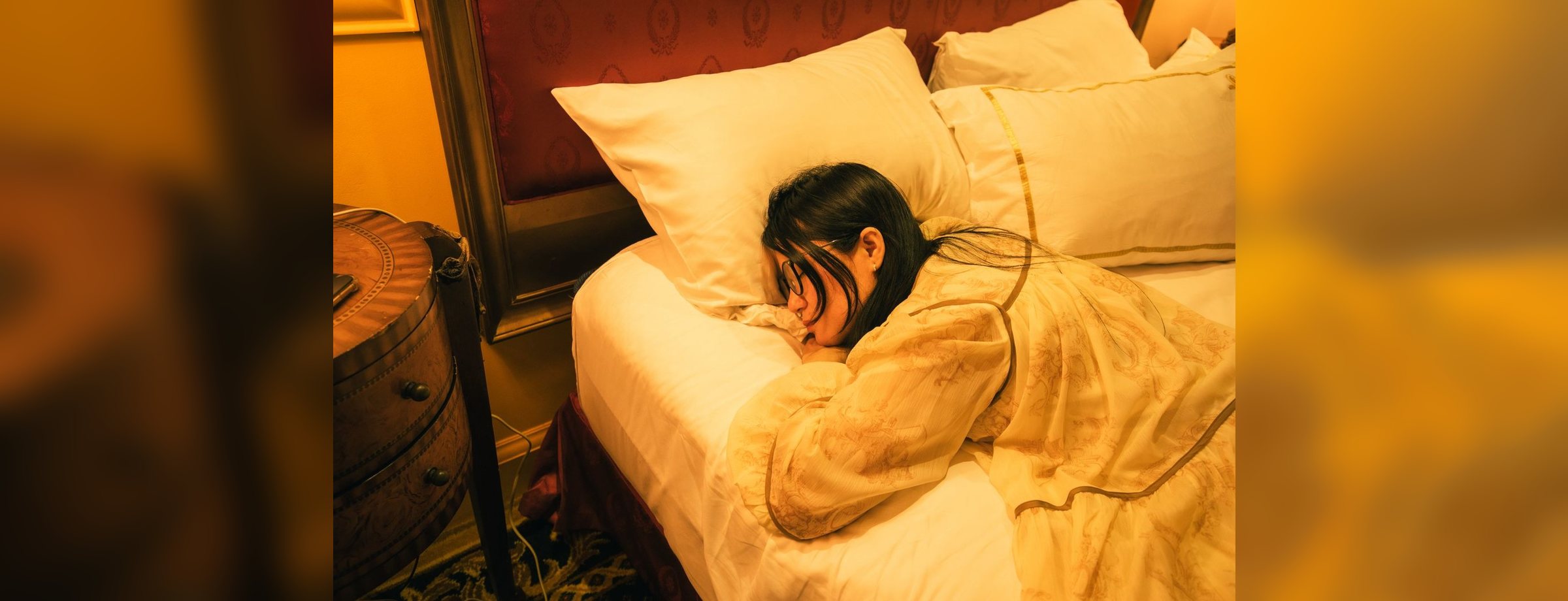
The Week Your Sleep Gets Worse
Why does my sleep fall apart before my period?
In the luteal phase, the days after ovulation and before your period, progesterone rises and then falls. Progesterone has a calming, sleep-promoting effect for many women, so when it drops, sleep can feel lighter and more broken. Body temperature also runs slightly higher in this phase, and a cooler core is part of what helps you fall and stay asleep.
You may notice more time lying awake before sleep, more waking around 3am, or sleep that feels shallow even when the hours are there. None of this means you are doing something wrong. It means your sleep is responding to a shift in hormones, not a failure of discipline.
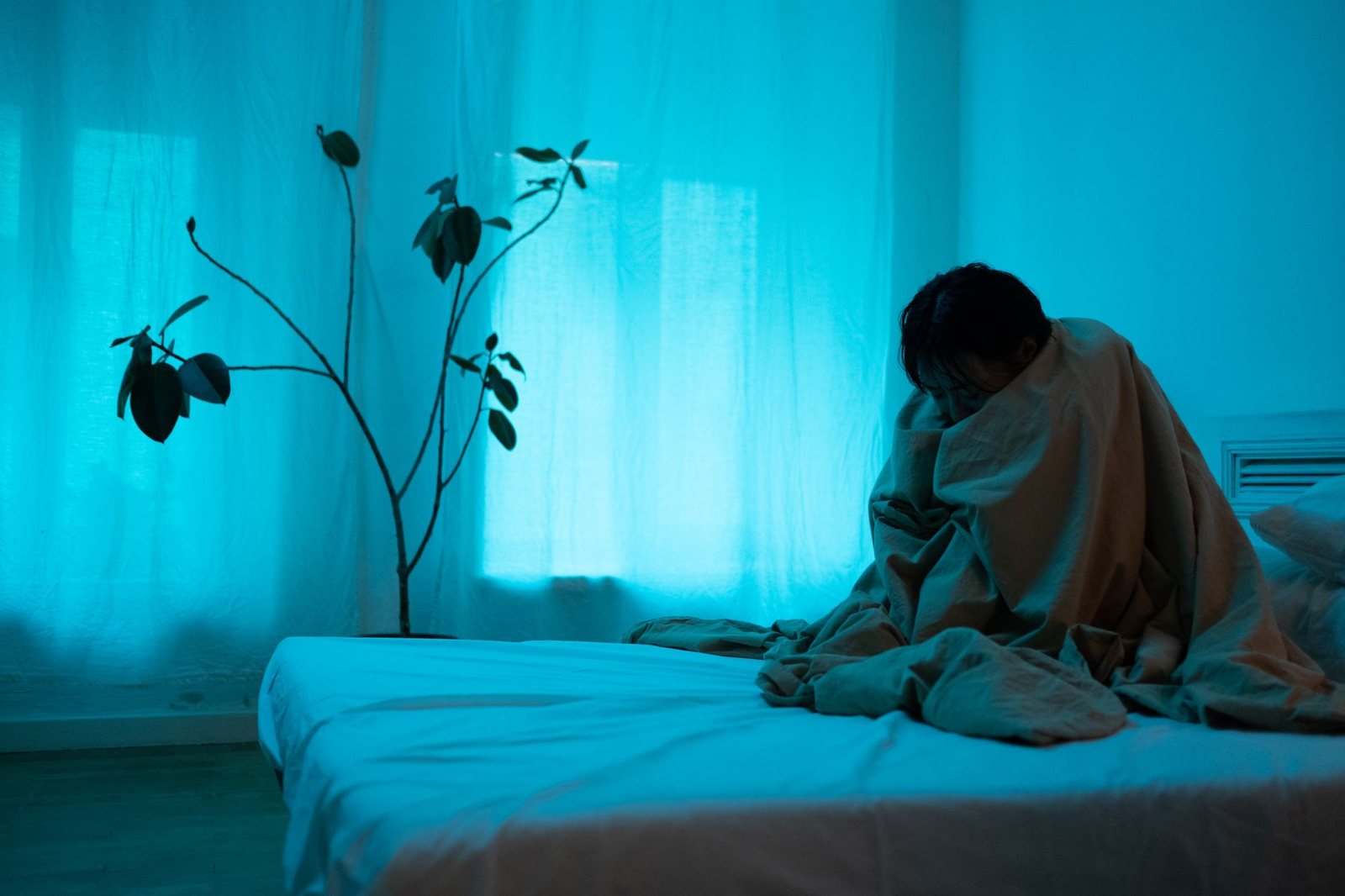
Is it just stress, or is it my cycle?
Stress can absolutely wreck sleep, and it is often the first explanation offered. But if the same rough nights show up in the same week of your cycle, month after month, that is a pattern worth naming. Many women are told it is hormones in a dismissive way, as if nothing can be done, and sent home with no record of what actually happened.
The difference between stress and a cycle-linked shift is timing. Stress tends to follow events. Cycle-linked sleep changes follow the calendar of your body. You do not need to prove which is which to yourself. You just need a record that shows what your nights actually look like across a month.

What can a two-minute nightly note actually show?
A short note before bed, or first thing in the morning, creates something you do not otherwise have: a record. Note when you went to bed, roughly when you woke, and how rested you felt on a simple scale. Add where you are in your cycle if you track it. That is enough to see whether the bad nights cluster.
Two weeks of notes can show a pattern that memory cannot. Most people remember the worst night and forget the good ones. A nightly note keeps both. If you bring it to a provider, you are not saying I sleep badly, you are showing a month of data, which is a different conversation entirely.
When should I call a provider?
Call a provider if you are regularly getting less than a few hours of sleep for weeks, if sleep loss is affecting your safety or your ability to function at work or behind the wheel, or if you have loud snoring, gasping, or pauses in breathing. Those can point to sleep apnea, which is common and treatable but not something to self-manage.
Also call if the sleep changes come with heavy bleeding, severe pain, or mood changes that feel out of your control. Mae can help you keep a clearer record of your nights and cycle, but it does not replace care. The notes are for you and, if you choose, for your provider.
What helps
- Keep a two-minute nightly note of bedtime, wake time, and how rested you feel, so the pattern is visible rather than remembered.
- Mark the week before your period on your calendar and expect sleep to be lighter, so a rough night does not feel like a personal failure.
- Keep your bedroom cool and your bedding breathable, since core temperature runs slightly higher in the luteal phase.
- Write down the one thing on your mind before bed, so your brain has somewhere to put it besides 3am.
- Look at your notes once a week rather than every night, so you see the pattern instead of judging each night alone.
This page includes affiliate links. As an Amazon Associate, WOMO earns from qualifying purchases, at no extra cost to you.
Mae’s picks
- cooling pillowcase — for a cooler head at night
- sleep mask — to block light during lighter sleep
- paper sleep journal — for a two-minute nightly note
Start with the free 10-minute health assessment
Take the free 10-minute health assessment in WOMO, then spend 7 days with Mae, your health companion. Log your sleep, mood, cycle and symptoms, and Mae reads them together so you can see your patterns and bring them to your next appointment.
Take the free assessment