
A Wind-Down Routine That Works After 40
Why does sleep feel different now?
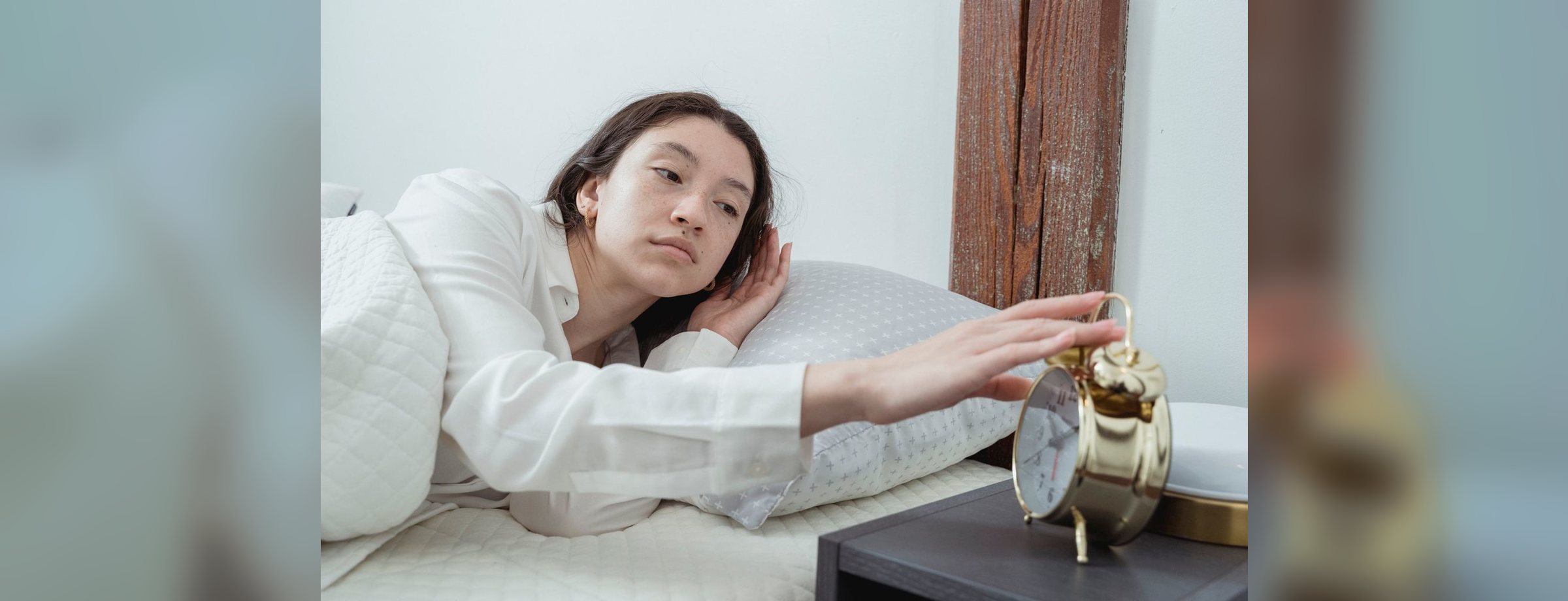
You have probably been told it is stress, hormones, or just getting older. What is actually happening is that progesterone, which has a calming effect on the brain, is fluctuating. Around 3am, most people are in a lighter sleep stage, and for you that stage may now be easier to wake from. Night sweats and a racing mind can turn a brief waking into a long one.
This is common in perimenopause and it is not a character flaw. Your sleep architecture is shifting, and your body is more sensitive to heat, light, and timing than it was ten years ago. The goal of an evening routine is not to force sleep. It is to remove the small frictions that make a normal wake-up turn into a two-hour vigil.
What should the last hour look like?
Dim the lights in the room where you spend the last hour. Overhead light tells your brain it is still daytime, and your melatonin release is already more fragile than it used to be. A lamp at waist height, or a candle, is enough to read by. If you use a screen, turn the brightness down and keep it at arm's length rather than close to your face.
Keep the hour boring in a deliberate way. The same few low-stakes activities, in the same order, teach your body what comes next. A shower, a few pages of a book, a stretch on the floor. The point is not relaxation as a performance. It is repetition, so your brain stops scanning for what it should be doing.

Why does temperature matter so much now?
Your core temperature needs to drop slightly to fall asleep, and in perimenopause that drop is less reliable. A hot flush can raise your skin temperature in minutes. This is why a bedroom that felt fine at 35 can feel unbearable at 42. Cool the room before you get into bed, not after you wake up sweating.
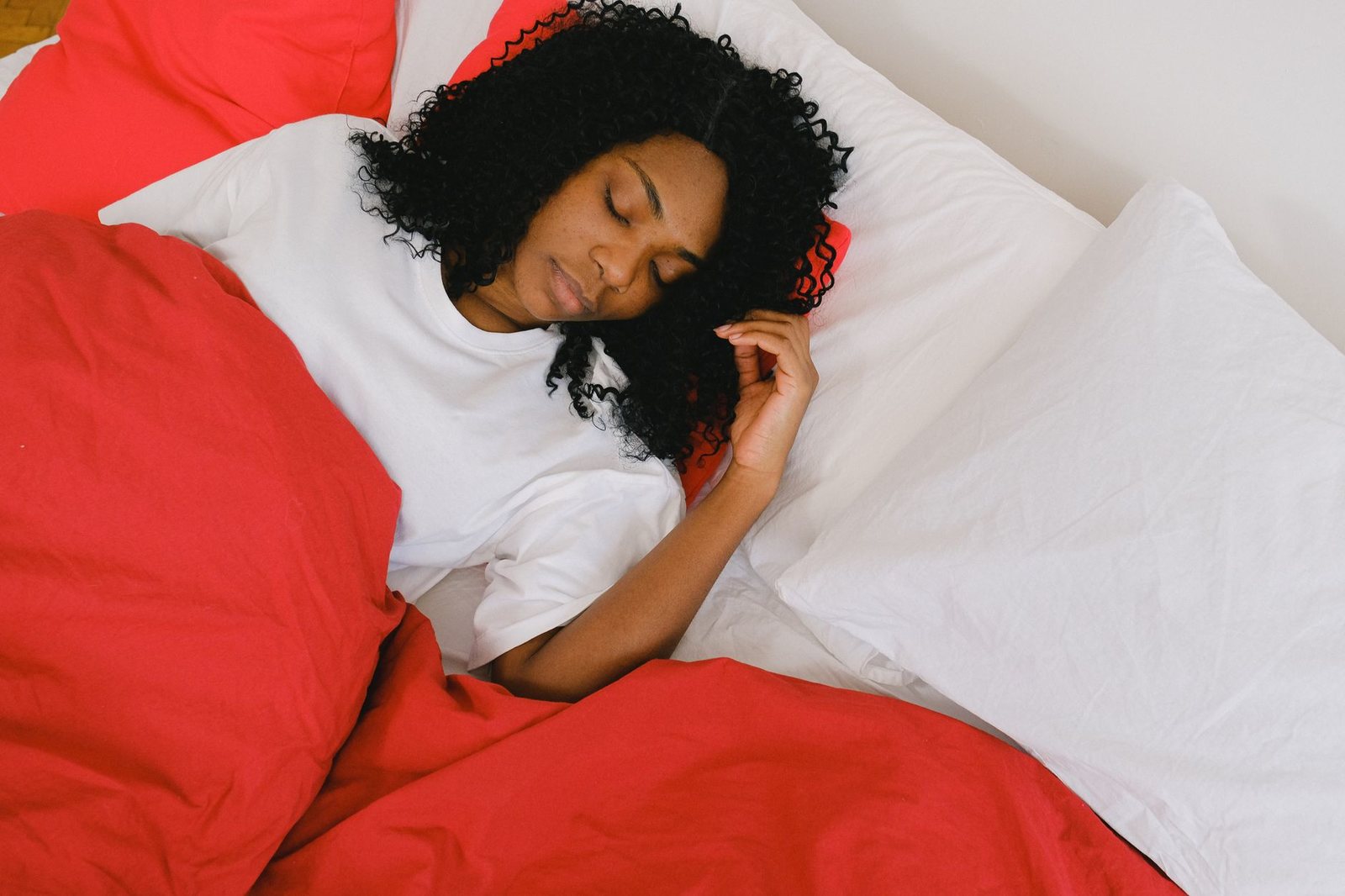
Choose bedding you can adjust in layers rather than one heavy duvet. A cooling pillowcase helps because the head and neck release heat quickly. Keep a change of nightclothes within reach so a sweat does not mean a full strip of the bed at 3am. If you wake hot, change and go back to a cooler spot rather than lying in damp sheets.

What about the 3am wake-up?
Waking in the night is normal. What changes is what you do next. If you are awake more than twenty minutes, get up and sit somewhere dim and cool with a book. Do not check the time repeatedly, and do not turn on a bright screen. The aim is to keep the wake-up boring, so your brain does not learn that 3am is a time for problem-solving.
If you are awake because of palpitations, chest pain, or shortness of breath, call a provider. Those symptoms are not something to manage with a routine. For the ordinary 3am waking, keep the room dark, keep the temperature low, and keep your response the same each time. Consistency is what makes the routine work.
What helps
- Set a lamp at waist height for the last hour instead of using overhead light.
- Cool the bedroom before bed, and keep a spare nightclothes set within reach.
- Choose a cooling pillowcase and layered bedding you can adjust without getting up.
- If you wake at 3am, get up after twenty minutes and read somewhere dim until sleepy.
- Keep the last hour the same few low-stakes activities in the same order each night.
This page includes affiliate links. As an Amazon Associate, WOMO earns from qualifying purchases, at no extra cost to you.
Mae’s picks
- cooling pillowcase — Helps release heat from head and neck
- layered lightweight bedding — Easy to adjust without waking fully
- dimmable warm lamp — Low light for the last hour
Start with the free 10-minute health assessment
Take the free 10-minute health assessment in WOMO, then spend 7 days with Mae, your health companion. Log your sleep, mood, cycle and symptoms, and Mae reads them together so you can see your patterns and bring them to your next appointment.
Take the free assessment