
The Holiday Headache That Isn't About Alcohol
Why do my headaches get worse when the holidays get busy?
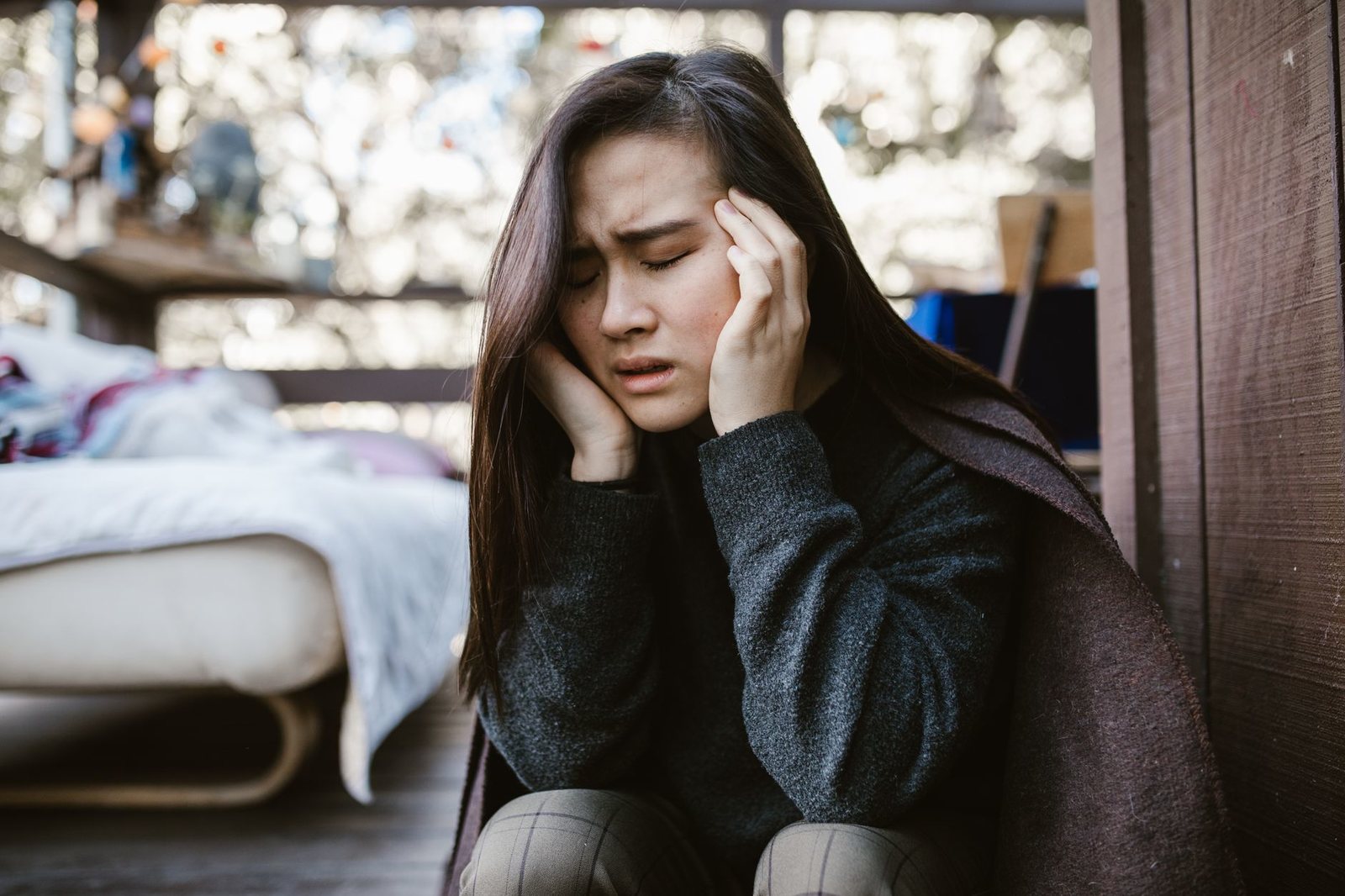
You have probably been told it is stress, hormones, or just the time of year. That explanation is not wrong, but it is incomplete. Headaches during the holidays often build from a stack of small changes: meals at different times, later nights, brighter rooms, more noise, and less water than you would drink on an ordinary Tuesday. None of these feels dramatic on its own. Together, they can push a sensitive system past its usual threshold.
What makes this tricky is that the trigger is rarely one thing. A glass of wine gets blamed because it is easy to point at. But the missed lunch, the crowded kitchen, the three hours of travel, and the disrupted sleep may matter just as much. When you track the whole day instead of one suspect, the pattern often looks different than you expected.
What does sensory overload actually do to a headache?
Bright overhead lights, overlapping conversations, strong perfume, and constant background music all ask your nervous system to filter more input than usual. For some women, that filtering effort is enough to bring on a headache or make an existing one worse. Around 3pm at a family gathering, the room is often at its loudest and brightest, and that is frequently when the ache starts.
Sensory overload does not need to be extreme to count. A string of small exposures, hour after hour, can accumulate. Stepping into a quiet room for ten minutes is not rude. It is a practical way to lower the input before your head decides for you.
How do I track triggers without turning it into a chore?
You do not need a detailed diary with twenty columns. A simple note on your phone works: the time the headache started, what you ate and when, how you slept, and what the room was like. Two or three lines are enough. The goal is not perfect data. It is enough detail to see whether your headaches cluster around missed meals, late nights, or particular environments.
After a week or two, look for repeats rather than single events. If headaches show up on days you skipped lunch, that is worth knowing. If they follow nights when you fell asleep two hours later than usual, that is also worth knowing. Bring those notes to a provider if the pattern concerns you. They give a clinician something concrete to work with instead of a vague memory.

When should I stop guessing and call someone?
Most holiday headaches are common and not dangerous. But some symptoms deserve a call to a provider without waiting: a headache that comes on suddenly and severely, one that comes with fever and a stiff neck, weakness, confusion, vision changes, or a headache after a head injury. If you are pregnant or postpartum and have a severe headache, call your provider promptly.
You are not being dramatic by asking for a record of what you have noticed. If your headaches are increasing in frequency or intensity, or if they wake you from sleep, say so plainly. Tracking is not a substitute for care. It is a way to make the conversation more useful when you have it.
What helps
- Set a phone alarm for meals and water so a busy day does not quietly skip both.
- Keep a two-line note on your phone each time a headache starts, including the room and the noise level.
- Step into a dim, quiet room for ten minutes when the gathering reaches its loudest point.
- Pack a small snack and a water bottle in your bag before you leave the house.
- Ask for a lamp instead of overhead lighting where you can, especially in the evening.
This page includes affiliate links. As an Amazon Associate, WOMO earns from qualifying purchases, at no extra cost to you.
Mae’s picks
- cooling pillowcase — for cooler sleep on warmer, busier nights
- light-blocking sleep mask — to reduce light when sleep timing shifts
- small insulated water bottle — to keep water within reach all day
Start with the free 10-minute health assessment
Take the free 10-minute health assessment in WOMO, then spend 7 days with Mae, your health companion. Log your sleep, mood, cycle and symptoms, and Mae reads them together so you can see your patterns and bring them to your next appointment.
Take the free assessment