

Why Perimenopause Sleep Changes Happen and How to Fix It
Sleep disruptions are one of the most common—and frustrating—symptoms of perimenopause. A woman who once slept soundly may suddenly find herself tossing, turning, or waking up drenched in sweat. These changes aren't a sign of weakness; they're a sign of shifting hormones. The good news is, understanding why this happens can help a woman find her way back to restful nights.
The Hormonal Shift Behind Sleepless Nights
During perimenopause, the ovaries gradually produce less estrogen and progesterone. These hormones don't just regulate the menstrual cycle—they also play key roles in sleep. Progesterone, in particular, has a calming effect on the brain, helping a woman fall and stay asleep. As levels drop, that natural sedative is reduced.
Estrogen influences body temperature regulation. When it fluctuates, the body's thermostat can become unstable, leading to night sweats or hot flashes that interrupt sleep. This combination—a less calm brain and a less stable body temperature—is why many women experience insomnia for the first time in their 40s.
How Cortisol and Stress Play a Role
Perimenopause can also amplify the body's stress response. Cortisol, the primary stress hormone, tends to rise during this stage, especially in the evening. Normally, cortisol dips at night to allow sleep, but for many women, it stays elevated, keeping the mind alert when it should be winding down.
This can create a cycle: poor sleep increases cortisol, and high cortisol makes sleep even harder. A woman may feel exhausted but wired, unable to quiet her thoughts. Recognizing this link is the first step toward breaking the pattern.

The Sleep Architecture Change No One Talks About
Beyond hormones, perimenopause affects the very structure of sleep. Studies suggest that women in this stage spend less time in deep, restorative sleep and more time in lighter stages. This means they wake more easily from noise, temperature changes, or even a partner's movement.
This shift isn't just about quantity—it's about quality. A woman may get seven hours in bed but still feel unrefreshed. Understanding that her sleep is lighter can help her create a more supportive environment, rather than blaming herself for being a 'bad sleeper.'
Practical Ways to Support Better Sleep
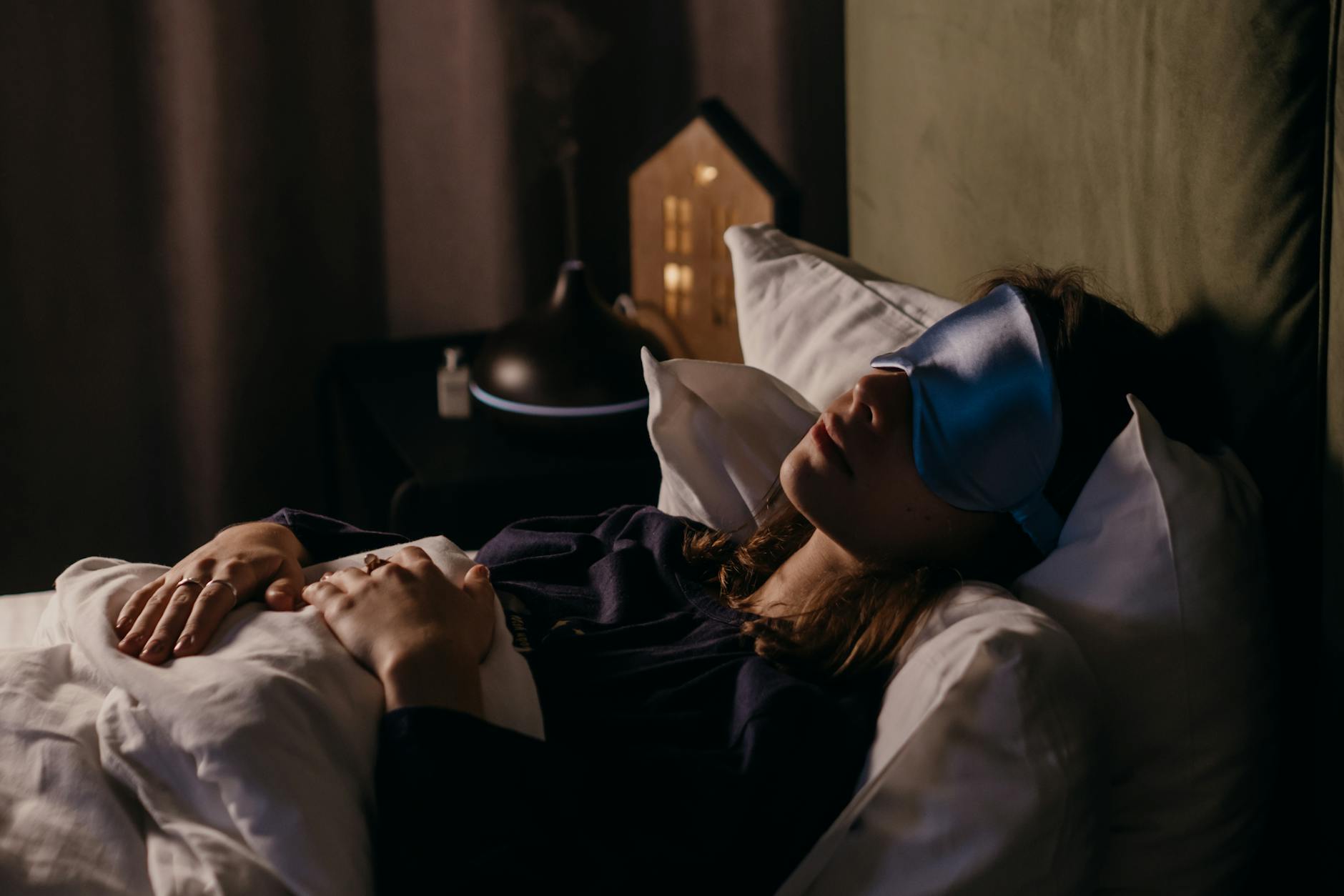
While the hormonal changes of perimenopause can't be stopped, there are many ways a woman can support her body toward more restful sleep. Small adjustments to her evening routine, bedroom environment, and daily habits can make a meaningful difference.
It's not about fixing everything overnight. It's about experimenting with what feels right for her unique body, and knowing that even small changes can help restore a sense of control and comfort.
What helps
- Keep the bedroom cool: a room temperature around 65°F (18°C) may reduce night sweats and support deeper sleep.
- Try a consistent wind-down ritual: dim lights, avoid screens, and do a calming activity like reading or gentle stretching 30–60 minutes before bed.
- Consider a cooling mattress pad or breathable pajamas made from natural fibers like cotton or bamboo.
- Limit caffeine after noon and alcohol in the evening, as both can disrupt sleep quality and trigger hot flashes.
WOMO Health is here. The bio-intelligence app that helps you decode your body, track what matters, and finally get answers is available now. Download WOMO and start listening to what your body has been telling you all along.
Get the WOMO App →