

Why Perimenopause Wrecks Sleep and What Your Body Really Needs
Perimenopause often brings unexpected changes to sleep, leaving women lying awake at 3 a.m. with a racing mind or drenched in sweat. This phase, which can last years, involves hormonal shifts that disrupt the body's natural rhythms. Understanding what your body truly needs during this time can help restore rest without relying on quick fixes or medical claims.
The Hormonal Shuffle Behind Sleepless Nights
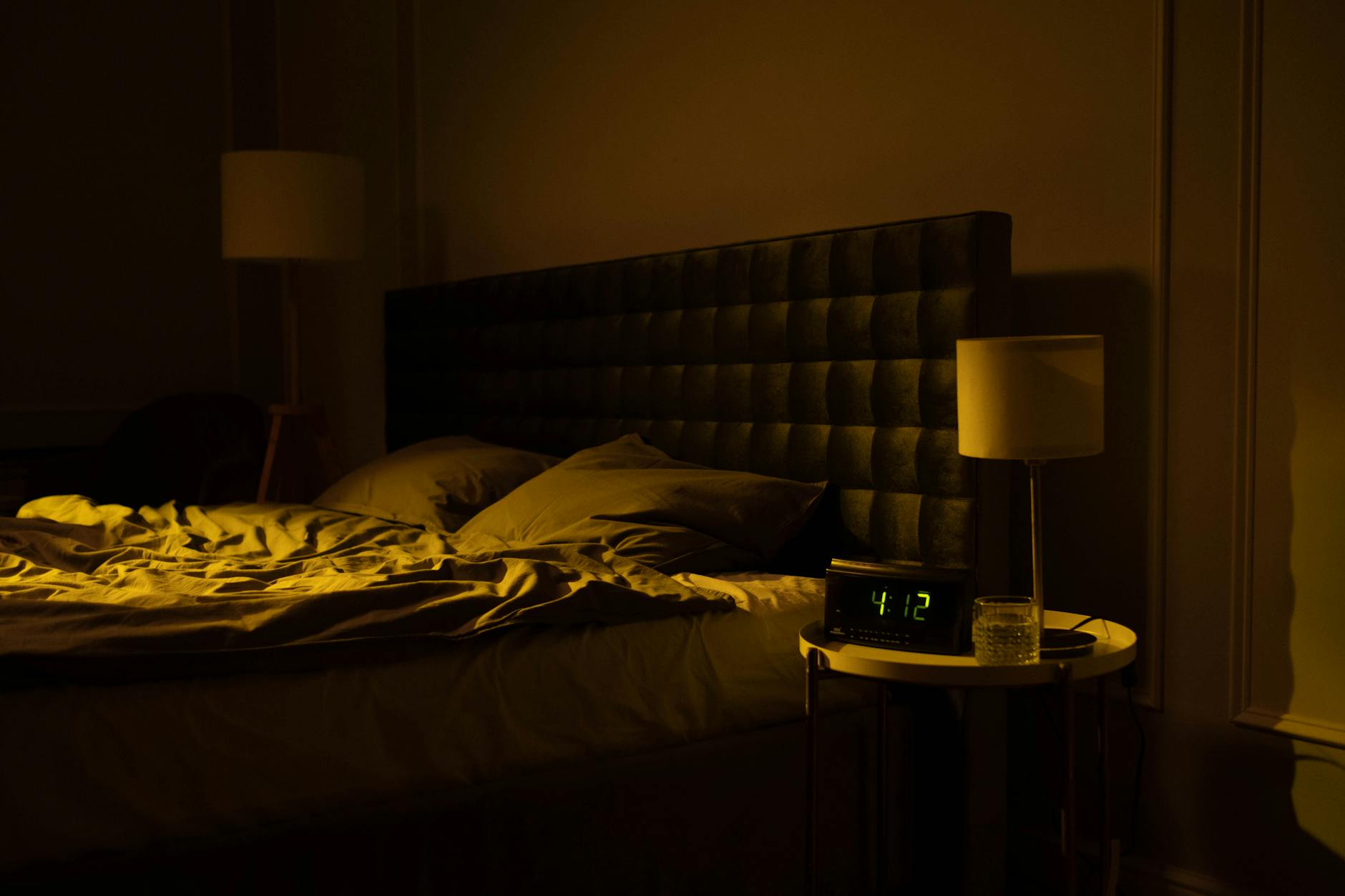
During perimenopause, estrogen and progesterone levels fluctuate in ways that affect the brain's sleep centers. Progesterone, which typically promotes calm and deep sleep, declines, making it harder to fall asleep and stay asleep. Estrogen, which helps regulate body temperature and mood, also dips, leading to night sweats and increased sensitivity to stress.
These changes don't just cause physical discomfort—they also impact the sleep-wake cycle. Many women find themselves waking up at the same time each night, often between 2 a.m. and 4 a.m., when cortisol levels naturally rise. This hormonal cocktail can create a pattern of fragmented sleep that leaves women feeling exhausted by morning.
Why Your Body Temperature Matters More Than You Think
The body's core temperature naturally drops at night to signal sleep, but perimenopause can interfere with this process. Hot flashes and night sweats are common symptoms, but even subtle temperature shifts can disrupt sleep without a woman realizing it. The body may wake itself to cool down, breaking the deep sleep stages needed for restoration.
This is where bio-intelligence comes in—tracking patterns like temperature changes or sleep fragmentation can help a woman understand her unique triggers. Rather than guessing, she can identify what her body needs to stay cool and calm through the night.

The Hidden Role of Stress and Cortisol
Perimenopause often coincides with life stressors like career demands, caregiving, or aging parents, which can elevate cortisol levels. High cortisol at night interferes with melatonin production, the hormone that helps initiate sleep. This creates a cycle where stress worsens sleep, and poor sleep amplifies stress.
Many women don't realize that their racing thoughts at bedtime are linked to hormonal shifts. By supporting the body's natural stress response—through gentle routines or evening wind-downs—women may help lower cortisol and ease into sleep more naturally.

What Your Body Really Needs for Restorative Sleep
The body doesn't need a perfect sleep environment—it needs consistent cues to regulate its internal clock. Prioritizing a consistent bedtime, even on weekends, can reinforce the body's natural rhythm. Avoiding screens an hour before bed may also help, as blue light suppresses melatonin.
Nutrition plays a role too. Eating a balanced snack with protein and healthy fats before bed may stabilize blood sugar, which can prevent middle-of-the-night waking. Hydration is key, but sipping water earlier in the evening can reduce nighttime bathroom trips.
What helps
- Keep the bedroom cool—aim for 65-68°F (18-20°C) to support natural temperature drop.
- Try a magnesium supplement or Epsom salt bath before bed to relax muscles and calm the nervous system.
- Practice a 5-minute breathing exercise, like inhaling for 4 counts and exhaling for 6, to signal safety to the body.
- Limit caffeine after noon and avoid alcohol close to bedtime, as both can disrupt sleep architecture.
- Use bio-intelligence tools to track sleep patterns, temperature, and stress levels for personalized insights.
WOMO Health is here. The bio-intelligence app that helps you decode your body, track what matters, and finally get answers is available now. Download WOMO and start listening to what your body has been telling you all along.
Get the WOMO App →