

Why Women Lose Interest in Sex During Perimenopause
Perimenopause is a natural transition, but it can quietly shift the way a woman feels about intimacy. Loss of interest in sex is one of the most common—and least talked about—experiences during this time. Understanding the reasons behind it can help her feel less alone and more empowered to find her own path forward.
Hormonal shifts and their effect on desire
During perimenopause, estrogen and progesterone levels begin to fluctuate and decline. These hormones play a key role in sexual desire, arousal, and response. When estrogen drops, it can reduce blood flow to the pelvic area, making sex feel less sensitive or even uncomfortable.
Testosterone, though often thought of as a male hormone, also supports libido in women. Its levels naturally decrease with age, and this decline may contribute to a lower sex drive. Many women notice that the spark they once felt simply isn't there anymore.

Physical discomfort and vaginal changes
Lower estrogen can cause the vaginal tissues to become thinner, drier, and less elastic. This may lead to pain or discomfort during sex, which understandably makes it less appealing. The body may not respond as quickly to arousal, and lubrication can take longer.
These physical changes are not a sign that something is wrong—they are a normal part of the transition. But they can create a cycle where a woman avoids sex because it hurts, which then further dampens desire. A supportive provider can help with options that may ease discomfort.
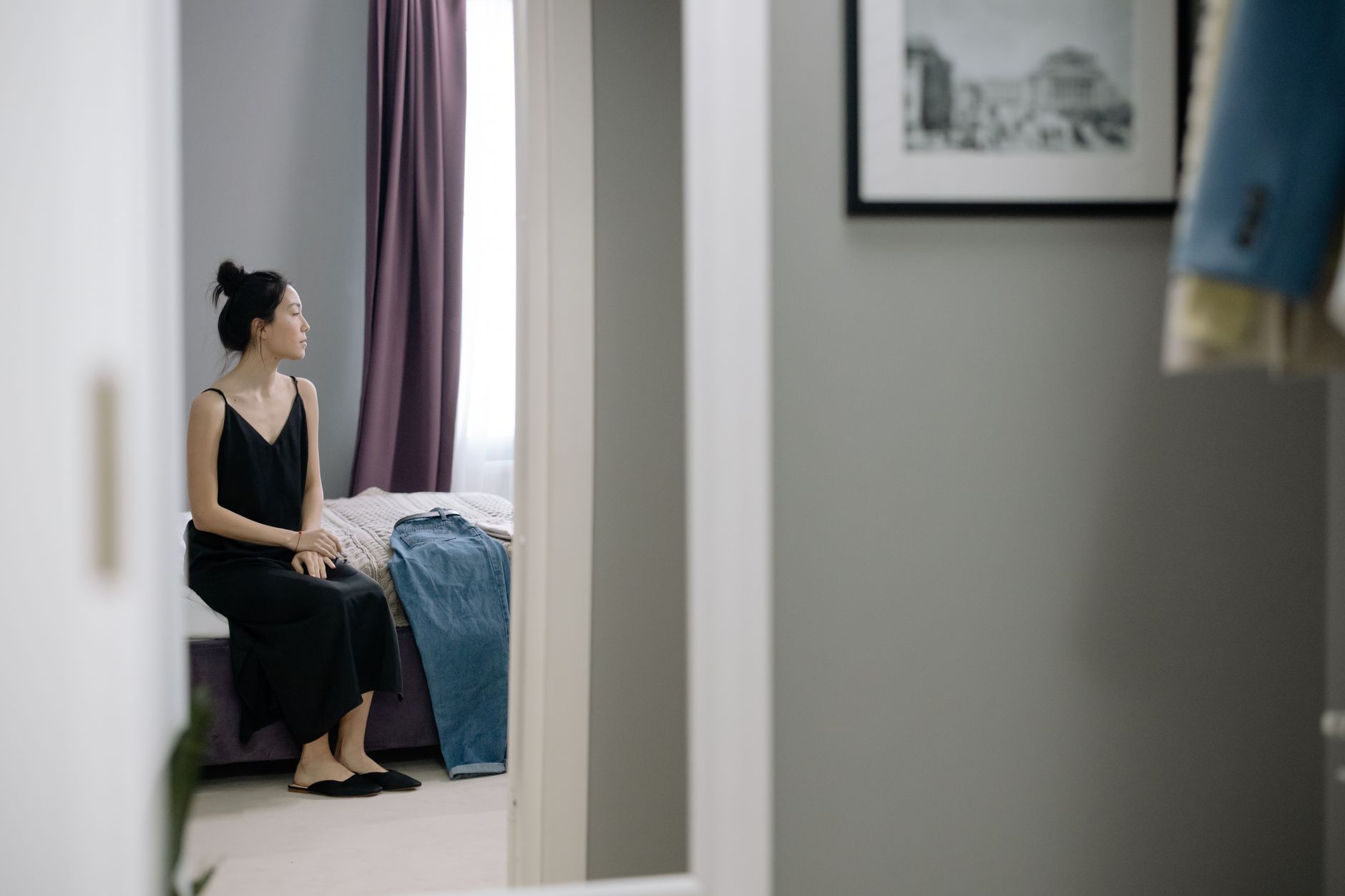
The role of sleep, stress, and mood
Perimenopause often brings sleep disruptions, from night sweats to waking up multiple times a night. When a woman is exhausted, her body prioritizes rest over romance. Chronic fatigue can directly suppress libido.
Stress from work, family, or life changes can also take a toll. Cortisol, the stress hormone, may interfere with the hormones that support desire. Mood changes, including anxiety or feelings of sadness, are common during perimenopause and can further distance a woman from her sense of intimacy.

Emotional and relationship factors
Desire is not just physical—it is deeply tied to how a woman feels about herself and her partner. Body image changes, shifts in identity, or feeling less connected can all play a role. Many women find that they need more emotional safety and connection to feel open to sex.
Communication with a partner can be a gentle bridge. When a woman shares what she is experiencing, it may relieve pressure and create space for new forms of intimacy. This is a time to redefine what closeness means.
What helps
- Prioritize sleep with a consistent bedtime routine to support hormone balance.
- Explore non-penetrative intimacy to take pressure off and rediscover pleasure.
- Talk to a provider about vaginal moisturizers or lubricants that may ease discomfort.
- Practice stress-reducing activities like gentle movement, breathwork, or time in nature.
- Consider tracking symptoms with a bio-intelligence platform like WOMO Health to see patterns over time.
This page includes affiliate links. As an Amazon Associate, WOMO earns from qualifying purchases, at no extra cost to you.
Mae’s picks
- Maca Root Powder — an Andean root for energy and libido
- Ashwagandha KSM-66 — the clinical-grade extract for cortisol
- Evening Primrose Oil 1300mg — GLA support for cyclical tenderness
Start with the free 10-minute health assessment
Take the free 10-minute health assessment in WOMO, then spend 7 days with Mae, your health companion. Log your sleep, mood, cycle and symptoms, and Mae reads them together so you can see your patterns and bring them to your next appointment.
Take the free assessment