
Why Women Wake at 3am in Perimenopause (And What Helps)
Waking at the same time night after night can feel unsettling, especially when the rest of the world is asleep. In perimenopause, this pattern is more common than many realize, and it’s closely tied to the hormonal shifts happening in the body. Understanding why it happens can help a woman feel less alone—and give her practical ways to ease back into rest.
The Hormonal Shift Behind the 3am Wake-Up
During perimenopause, estrogen and progesterone levels begin to fluctuate and gradually decline. Progesterone is known for its calming, sleep-supporting effects, so when it dips, the body may struggle to stay in deep sleep. At the same time, estrogen affects the body’s temperature regulation and stress response, which can make the middle of the night feel like a wake-up call.
Cortisol, the body’s main stress hormone, also plays a role. Normally, cortisol dips at night to allow sleep, then rises gently toward morning. But in perimenopause, this rhythm can get disrupted, leading to a cortisol spike around 2 or 3am. That spike can jolt a woman awake, often with a racing mind or sudden alertness.
Why It’s Often 3am (Not 2am or 4am)
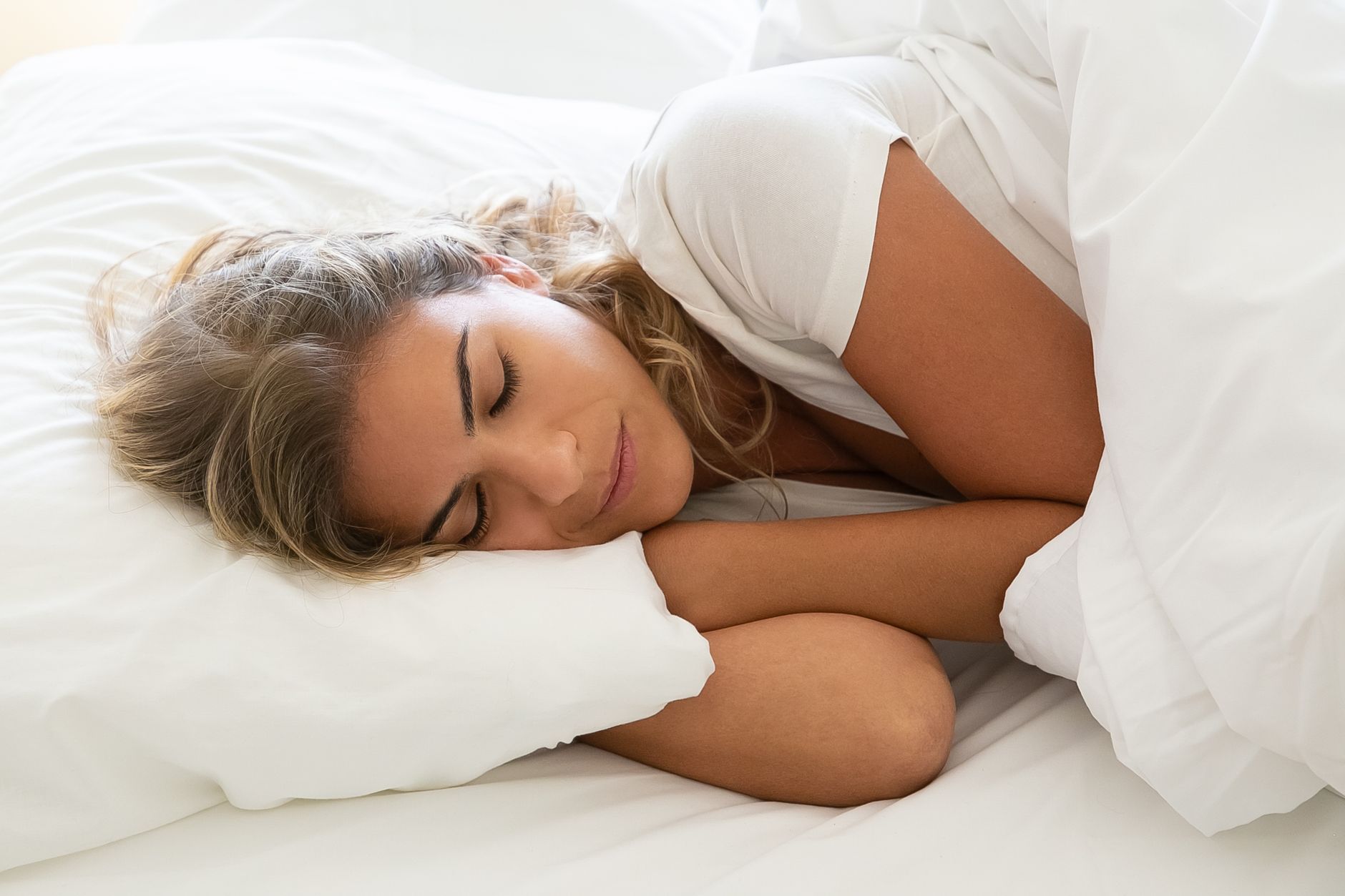
There’s nothing magical about the number 3, but the timing is tied to natural sleep cycles. Most people cycle through light and deep sleep in roughly 90-minute intervals. Around 3am, many are in a lighter stage of sleep, making it easier to wake in response to internal or external triggers.
For the woman in perimenopause, those triggers might include a hot flash, a drop in blood sugar, or a surge of cortisol. The body’s changing sensitivity to these signals means a subtle shift can pull her fully awake. Over time, the brain can learn this pattern, making it a habit to wake at that same hour.
Other Common Contributors to Night Waking
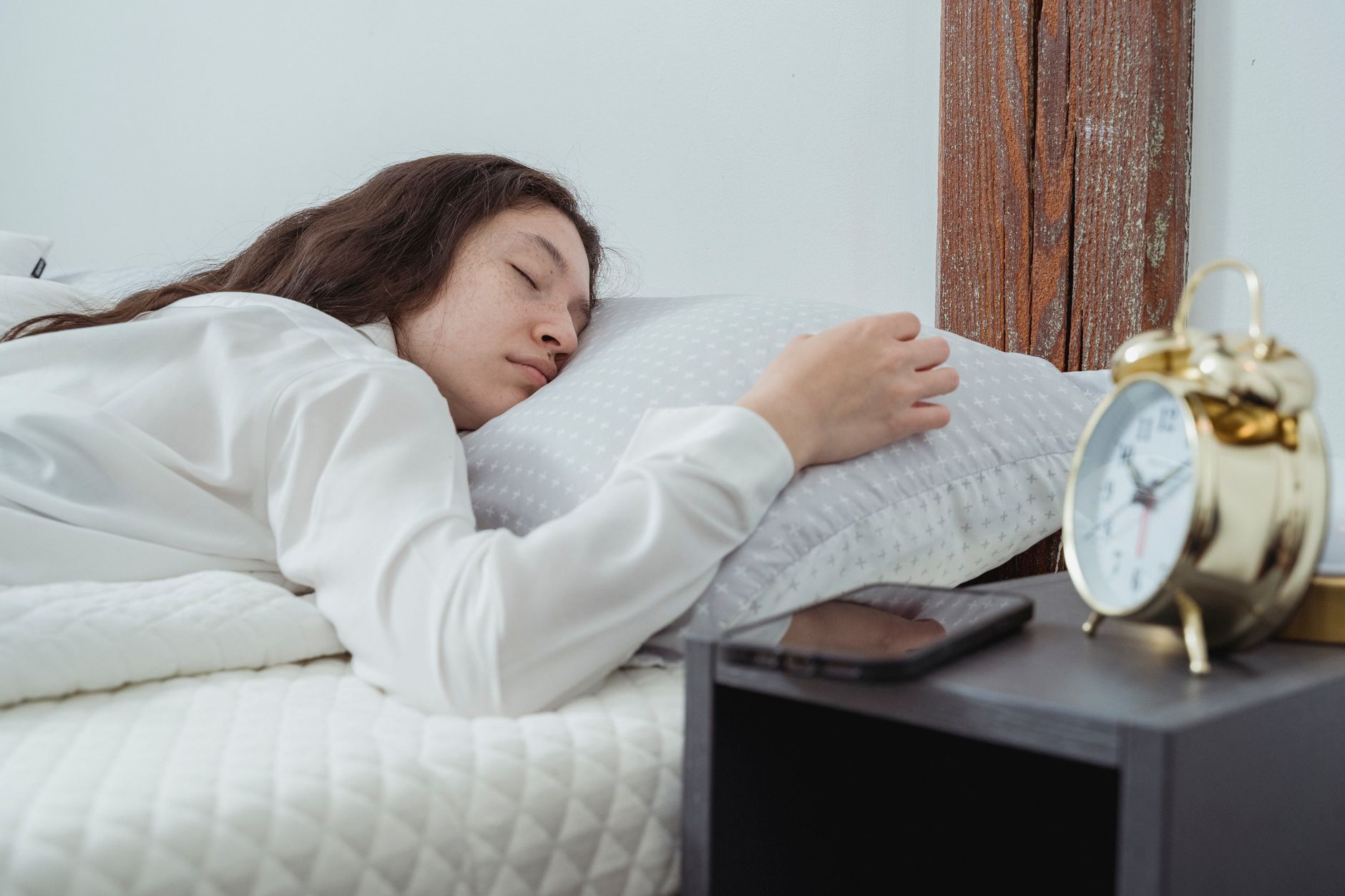
Beyond hormones, perimenopause often brings other sleep disruptors. Night sweats, caused by estrogen’s effect on the body’s thermostat, can wake a woman feeling overheated or clammy. A drop in estrogen also affects the bladder lining, making nighttime urges to urinate more frequent.
Mood changes like anxiety or racing thoughts can also surface more easily in the quiet hours. The combination of physical and emotional factors can make 3am feel like a lonely and frustrating time. Recognizing these patterns is the first step toward addressing them with compassion.

How Sleep Changes Over the Course of Perimenopause
Perimenopause can last several years, and sleep patterns may shift throughout. Early on, some women notice more difficulty falling asleep, while later, waking in the middle of the night becomes more common. For others, it’s a mix of both.
The good news is that these changes are not permanent. Once a woman transitions through menopause, many find their sleep gradually improves. In the meantime, small adjustments to daily habits and sleep environment can make a meaningful difference.
What helps
- Keep the bedroom cool—around 65-68°F (18-20°C)—to counter night sweats and temperature sensitivity.
- Try a consistent wind-down routine, like a warm bath or gentle stretching, about an hour before bed.
- Limit caffeine after noon and avoid alcohol close to bedtime, as both can fragment sleep.
- If awake at 3am, get up and do something calming in dim light, like reading or deep breathing, until drowsiness returns.
- Consider a magnesium supplement or a cooling pillowcase, both of which many women find supportive for sleep.
This page includes affiliate links. As an Amazon Associate, WOMO earns from qualifying purchases, at no extra cost to you.
Mae’s picks
- Magnesium Glycinate — the best-absorbed form for sleep and calm
- Evening Primrose Oil 1300mg — GLA support for cyclical tenderness
- Ashwagandha KSM-66 — the clinical-grade extract for cortisol
Start with the free 10-minute health assessment
Take the free 10-minute health assessment in WOMO, then spend 7 days with Mae, your health companion. Log your sleep, mood, cycle and symptoms, and Mae reads them together so you can see your patterns and bring them to your next appointment.
Take the free assessment